
Key Takeaways
- Stannous fluoride is the most effective ingredient for gum health, offering antibacterial protection that prevents gingivitis and bleeding gums.
- The American Dental Association (ADA) Seal of Acceptance guarantees a toothpaste has been scientifically proven to benefit gum health.
- Specialized gum health toothpastes contain targeted ingredients like anti-inflammatory agents that regular toothpastes don’t have.
- Early intervention with the right toothpaste can prevent progression from gingivitis to more serious periodontitis.
- A complete gum health routine requires proper brushing technique (2 minutes, twice daily) alongside the right toothpaste selection.
Why Your Gums Need Special Attention
Your gums serve as the foundation for healthy teeth, yet they’re often overlooked in daily oral care routines. While most people focus on preventing cavities and whitening teeth, the health of your gums can actually determine whether you keep your teeth for a lifetime. Healthy gums should appear pink, firm, and fit snugly around your teeth without bleeding during brushing or flossing. When gum health deteriorates, it can lead to a cascade of problems that extend far beyond your mouth, including connections to heart disease, diabetes, and other systemic conditions.
Choosing the right toothpaste specifically formulated for gum health is one of the most important decisions you can make for your oral care. DentalCare Pro explains that specialized gum health formulations contain active ingredients that target the bacteria responsible for gum inflammation, helping to maintain the integrity of this crucial tissue. Unlike general toothpastes that primarily focus on cavity prevention and cosmetic benefits, gum health toothpastes address the unique needs of your periodontal tissues.
The Silent Epidemic of Gum Disease
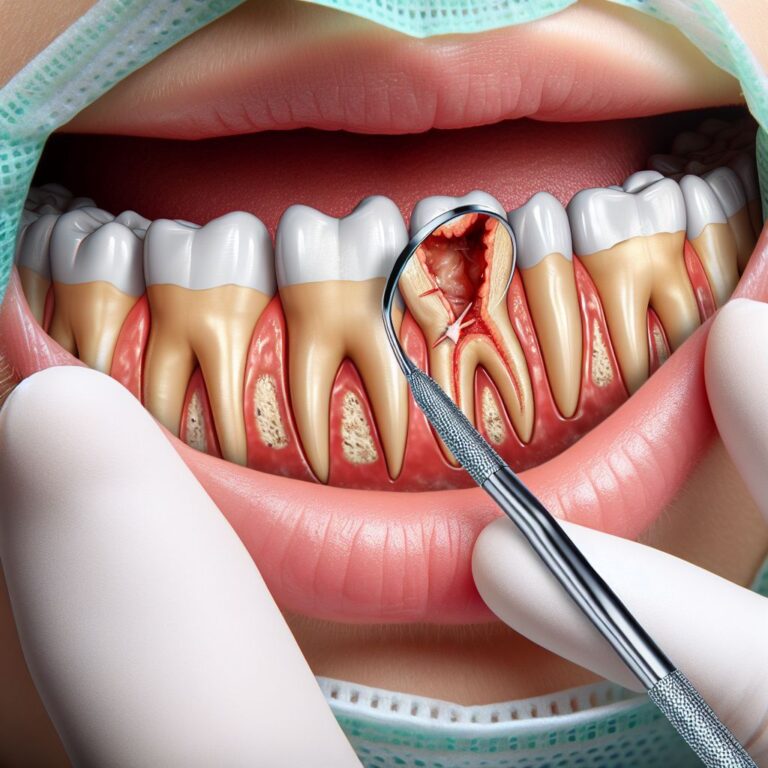
Gum disease affects nearly half of all adults over 30 in the United States, making it one of the most common health conditions nationwide. What begins as gingivitis—characterized by redness, swelling, and bleeding—can silently progress to periodontitis, where gum tissue pulls away from teeth, bone deteriorates, and tooth loss becomes a real risk. Most concerning is that gum disease often develops without pain, meaning many people remain unaware of the condition until significant damage has occurred.
The bacterial biofilm that forms on teeth, known as plaque, is the primary culprit behind gum disease. When not properly removed, this sticky film hardens into tartar, which can only be removed by a dental professional. The bacteria in plaque and tartar produce toxins that irritate the gums, triggering inflammation and the beginning stages of gum disease. Regular use of a toothpaste specifically formulated for gum health can dramatically reduce this bacterial load, giving your gums a fighting chance against disease progression.
How the Right Toothpaste Can Save Your Gums
The right toothpaste does more than just clean your teeth—it actively fights the causes of gum disease at the source. Specialized gum health formulations contain antibacterial agents that reduce plaque bacteria, anti-inflammatory ingredients that soothe irritated tissue, and remineralizing compounds that strengthen the tooth-gum junction. These targeted ingredients work together to create an environment where gums can heal and maintain their healthy attachment to teeth.
Clinical studies have shown that switching to a gum-specific toothpaste can reduce bleeding by up to 50% within just a few weeks of consistent use. This rapid improvement occurs because these specialized formulas disrupt the bacterial communities responsible for gum inflammation. Additionally, many gum health toothpastes create a protective shield that continues working between brushings, providing around-the-clock protection against the bacterial regrowth that continuously threatens gum tissue.
Not all toothpastes are created equal when it comes to gum protection. While standard fluoride toothpastes offer basic cavity prevention, they often lack the specialized ingredients needed to address the unique challenges of maintaining gum health. The difference lies in the specific active ingredients and their concentrations, which we’ll explore in detail to help you make an informed choice for your personal needs.
Warning Signs Your Current Toothpaste Isn’t Working
If you’re experiencing persistent bleeding when brushing or flossing, your current toothpaste may not be providing adequate gum protection. This bleeding, even if minor, indicates inflammation and should never be considered normal. Other warning signs include gum tenderness, redness along the gumline, persistent bad breath, and a metallic taste in your mouth. These symptoms suggest that the bacterial balance in your mouth favors harmful species that your current toothpaste isn’t effectively controlling.
Receding gums that make teeth appear longer than before is another critical indicator that your current oral care routine needs upgrading. This recession exposes the tooth root, which lacks the protective enamel covering of the crown, making it more vulnerable to sensitivity and decay. If you notice increasing tooth sensitivity, especially to hot or cold foods and beverages, it may be due to exposed roots from gum recession that your current toothpaste isn’t addressing.
Must-Have Ingredients for Healthy Gums
When shopping for gum health toothpaste, the ingredient list is your roadmap to effectiveness. The most powerful formulations contain specific active ingredients clinically proven to fight gum disease at various stages. Not all ingredients are equally effective, and some combinations work synergistically to provide enhanced protection. Understanding these key ingredients will empower you to make informed choices based on scientific evidence rather than marketing claims.
Stannous Fluoride: The Gold Standard for Gum Protection
Stannous fluoride stands out as the most effective ingredient for gum health, offering a triple-action benefit that other fluoride compounds can’t match. Unlike sodium fluoride (found in most basic toothpastes), stannous fluoride provides antibacterial properties that directly combat the bacteria responsible for gum disease. It also creates a protective barrier on the gumline that helps prevent bacterial reattachment and reduces inflammation of gum tissue.
Clinical research has consistently demonstrated stannous fluoride’s superiority for gum health. In controlled studies, toothpastes containing 0.454% stannous fluoride reduced bleeding sites by up to 57% compared to regular fluoride toothpastes. This remarkable efficacy comes from stannous fluoride’s ability to disrupt bacterial metabolism and inhibit the enzymes bacteria use to attach to gum tissue. The protective film it forms also continues working between brushings, providing extended protection throughout the day and night.
Anti-Inflammatory Agents That Fight Gingivitis
Beyond stannous fluoride, several anti-inflammatory agents have proven effective in combating gingivitis. Triclosan, though less common now due to regulatory concerns, was once widely used for its ability to reduce gum inflammation. Today’s formulations more commonly include ingredients like zinc citrate, which helps control plaque and reduce inflammatory responses in gum tissue. Potassium nitrate, while primarily known for reducing sensitivity, also has mild anti-inflammatory properties that benefit gum health.
Cetylpyridinium chloride (CPC) deserves special mention as a powerful antimicrobial agent that targets the bacteria causing gum inflammation. Clinical studies show that toothpastes containing CPC can reduce bleeding by up to 33% after just two weeks of regular use. This ingredient works by disrupting bacterial cell membranes, essentially deactivating the harmful bacteria before they can trigger inflammatory responses in your gums.
Natural Alternatives That Actually Work
For those preferring natural options, several plant-based ingredients have demonstrated genuine efficacy for gum health. Tea tree oil contains powerful antimicrobial compounds that combat the bacteria responsible for gum disease, while aloe vera provides both antimicrobial and anti-inflammatory benefits. Coenzyme Q10, a naturally occurring antioxidant, has shown promise in supporting gum healing by promoting tissue repair and reducing inflammation.
Xylitol, a natural sugar alcohol, deserves special attention for its unique ability to disrupt bacterial adhesion to teeth and gums. By preventing bacteria from forming sticky biofilms, xylitol-containing toothpastes help maintain cleaner gum lines where inflammation typically begins. Studies show that regular use of xylitol can reduce plaque formation by up to 30%, directly benefiting gum health.
Neem extract, derived from the neem tree native to India, contains compounds with documented antibacterial and anti-inflammatory properties specifically effective against the bacteria that cause periodontal disease. When combined with other natural ingredients like clove oil or chamomile, neem-based formulations offer a comprehensive approach to gum health for those seeking alternatives to synthetic ingredients.
Top 5 Dentist-Recommended Toothpastes for Gum Health
After reviewing clinical evidence and consulting with periodontal specialists, these five toothpastes consistently emerge as top performers for gum health. Each offers a unique approach to addressing gum problems, with formulations backed by scientific research rather than marketing claims. Your specific gum concerns should guide which of these proven options will work best for your individual needs.
1. Parodontax: Specifically Formulated for Bleeding Gums
Parodontax stands out as a specialist in addressing bleeding gums, with clinical studies showing it’s 40% more effective at reducing bleeding than a regular toothpaste after just 12 weeks of use. Its formulation contains stannous fluoride at the optimal 0.454% concentration, directly targeting the bacteria that cause gum inflammation. The slightly gritty texture also helps physically remove plaque along the gumline, providing both chemical and mechanical protection against gum disease. For more options, consider weighing your toothpaste options.
What makes Parodontax particularly effective is its mineral salt complex that works synergistically with stannous fluoride. This combination helps neutralize the acidic environment where harmful bacteria thrive while strengthening the natural protective barriers of your gums. Many users report noticeable reductions in bleeding within the first week of use, making it an excellent choice for those with active gingivitis.
2. Crest Gum Detoxify: Deep Cleaning Action for Receding Gums
Crest Gum Detoxify uses an innovative activated foam technology that penetrates difficult-to-reach areas around the gumline, making it especially effective for those with early signs of gum recession. The activated foam literally seeps below the gumline, neutralizing harmful bacteria in areas that traditional brushing can’t reach. Its stannous fluoride formula provides continuous protection against bacteria for up to 12 hours after brushing, creating an invisible shield along the gum margin.
Clinical testing shows Crest Gum Detoxify can reduce gingival inflammation by up to 46% compared to regular fluoride toothpastes. This remarkable improvement comes from its ability to maintain higher concentrations of active ingredients at the crucial junction where gums meet teeth. For those concerned about receding gums, this penetrating action helps protect the vulnerable root surfaces that become exposed as gums pull back.
3. Colgate Total: Clinically Proven Gum Protection
Colgate Total has earned its reputation through decades of clinical research demonstrating its effectiveness against gum disease. Its unique formula combines stannous fluoride with zinc phosphate, creating a protective barrier that prevents bacteria from attaching to both teeth and gums. What sets Colgate Total apart is its 12-hour antibacterial protection that continues working long after you’ve finished brushing.
Research published in the Journal of Clinical Dentistry showed that Colgate Total reduced plaque by 30% more than ordinary non-antibacterial fluoride toothpaste after six months of regular use. This significant reduction in bacterial load directly translates to healthier gums with less inflammation. The formula also helps prevent staining that can sometimes occur with stannous fluoride products, making it an excellent choice for those concerned about both gum health and aesthetics.
4. Sensodyne Sensitivity & Gum: Dual-Action Formula
For those battling the double challenge of sensitive teeth and gum problems, Sensodyne Sensitivity & Gum offers targeted relief for both conditions. Its dual-action formula contains potassium nitrate to block pain signals from exposed dentin while incorporating stannous fluoride to fight gum inflammation. This combination addresses the common issue where receding gums expose sensitive root surfaces, creating a painful cycle that this specialized formula effectively breaks.
The low-abrasion formulation of Sensodyne Sensitivity & Gum makes it particularly suitable for those with compromised gum tissue. Harsh abrasives can further damage delicate gums and exposed roots, but this gentle formula cleans effectively without causing additional trauma to vulnerable tissues. Many users report noticeable reductions in sensitivity within two weeks, with continued improvement in gum health over longer periods of consistent use.
5. Oral-B Gum & Enamel Repair: Targeted Repair Technology
Oral-B Gum & Enamel Repair addresses the critical relationship between gum health and the integrity of tooth enamel at the gumline. Its activated foam formula contains stabilized stannous fluoride that forms a protective layer over both gum tissues and exposed root surfaces. The formula’s neutralizing agents help stabilize pH levels along the gumline, creating conditions where damaged tissues can recover and repair begins.
Matching Your Toothpaste to Your Specific Gum Problem
The most effective approach to improving gum health is to select a toothpaste specifically formulated for your particular condition. Different gum problems require different active ingredients and treatment approaches. While stannous fluoride provides broad-spectrum benefits for most gum conditions, other ingredients target specific issues more effectively. Understanding your unique gum health profile will help you select the optimal formula for your needs.
For Gingivitis and Bleeding Gums
- Look for high concentrations of stannous fluoride (0.454%) as the primary active ingredient
- Choose formulations with added antimicrobials like CPC or zinc compounds
- Consider products with sodium bicarbonate to neutralize acid-producing bacteria
- Avoid highly abrasive whitening formulas that may irritate inflamed tissues
- Select products with the ADA Seal specifically for gingivitis claims
For active gingivitis, consistency is crucial. Studies show that twice-daily use of an anti-gingivitis toothpaste can reduce bleeding by up to 50% within three weeks. The bacteria causing gingivitis can recolonize quickly, so maintaining consistent brushing habits with your specialized toothpaste is essential for seeing continued improvement.
If bleeding persists beyond two weeks of consistent use, consider alternating your chosen toothpaste with a prescription-strength product containing chlorhexidine. This rotation can help prevent bacterial resistance while providing powerful antibacterial effects. However, chlorhexidine formulations should typically be used for limited periods due to potential staining effects.
Remember that visible improvements in gingivitis often follow a pattern: reduced bleeding occurs first, followed by decreases in redness and swelling. Complete resolution may take 4-6 weeks of diligent care, so patience and consistency with your chosen product are essential for success.
For Receding Gums and Exposed Roots
Receding gums require a multi-faceted approach focused on gentle yet effective cleaning, remineralization, and sensitivity management. Look for toothpastes containing hydroxyapatite or NovaMin (calcium sodium phosphosilicate) that help remineralize exposed root surfaces while building a protective layer over dentinal tubules. These ingredients work by depositing minerals directly onto vulnerable areas, strengthening the tooth structure at the critical gumline junction where recession occurs.
For Receding Gums and Exposed Roots
Receding gums require a multi-faceted approach focused on gentle yet effective cleaning, remineralization, and sensitivity management. Look for toothpastes containing hydroxyapatite or NovaMin (calcium sodium phosphosilicate) that help remineralize exposed root surfaces while building a protective layer over dentinal tubules. These ingredients work by depositing minerals directly onto vulnerable areas, strengthening the tooth structure at the critical gumline junction where recession occurs.
Equally important for receding gums is avoiding further damage during brushing. Choose formulations with low abrasivity ratings (RDA values below 70) to prevent wearing away exposed root surfaces that lack protective enamel. Toothpastes containing potassium nitrate or potassium citrate provide the added benefit of nerve desensitization, addressing the common sensitivity that accompanies gum recession while the protective and remineralizing agents work to strengthen the exposed areas. For more information on oral health options, you can explore WebMD’s guide to toothpaste options.
It’s worth noting that while the right toothpaste can help manage recession and prevent further damage, it cannot reverse significant gum recession that has already occurred. For established recession, your toothpaste selection should focus on preventing progression, protecting exposed roots, and managing sensitivity while you consult with a periodontist about potential gum grafting or other restorative procedures.
For Sensitive Gums and Teeth
Sensitivity often goes hand-in-hand with gum problems, particularly when recession exposes the dentin beneath the gumline. For this dual challenge, look for formulations combining potassium nitrate or arginine with antibacterial agents like stannous fluoride. The potassium compounds work by blocking the transmission of pain signals from the tooth to the nerve, providing relief typically within two weeks of regular use, while the antibacterial components address the underlying gum inflammation.
For those with extremely sensitive gums that feel tender or painful during brushing, consider toothpastes containing natural soothing agents like aloe vera or chamomile alongside the desensitizing ingredients. These botanical extracts have documented anti-inflammatory properties that can help reduce gum tenderness while the main active ingredients work on both bacterial control and nerve desensitization. Many of these formulations also exclude potential irritants like sodium lauryl sulfate (SLS), which can trigger sensitivity in some individuals.
How to Use Gum Health Toothpaste Correctly
Even the most advanced gum health toothpaste won’t deliver optimal results if not used correctly. Proper technique significantly enhances the effectiveness of the active ingredients, allowing them to reach the critical areas where gum disease begins. Understanding the correct application method ensures you’re getting the maximum benefit from your specialized toothpaste investment.
The 2-Minute Brushing Technique Dentists Recommend
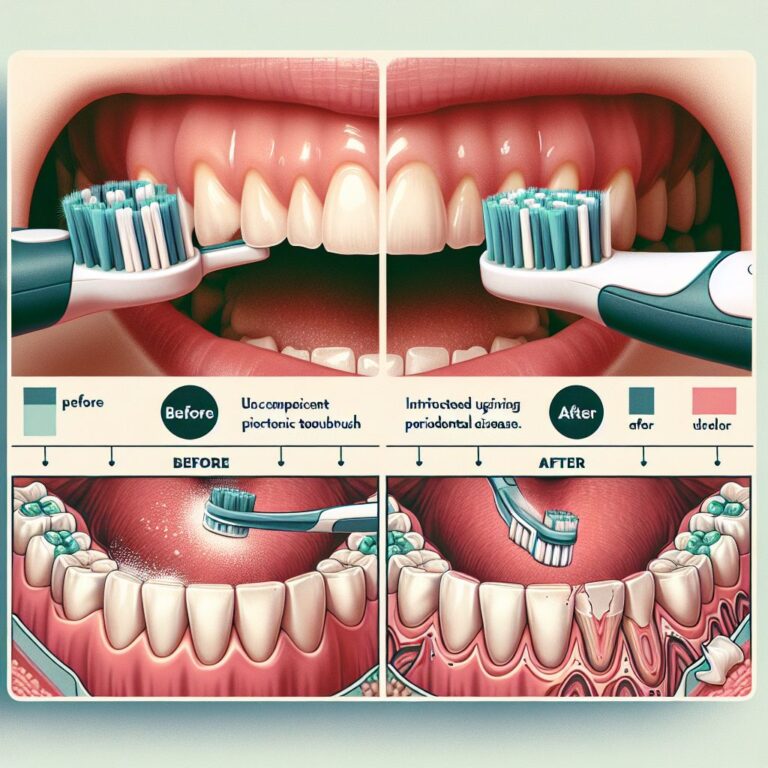
The foundation of effective gum care begins with proper brushing technique. Hold your toothbrush at a 45-degree angle to your gumline and use gentle, short strokes that move slightly away from the gums. This technique, known as the Modified Bass Method, allows the bristles to clean just below the gumline where bacteria accumulate. Apply gentle pressure—just enough to feel the bristles against your gums without causing discomfort or bleeding.
Divide your mouth into quadrants and spend 30 seconds on each section to ensure you complete the recommended two minutes of brushing. Focus extra attention on the back surfaces of teeth and areas where your gums show signs of inflammation. For enhanced gum stimulation, consider using a soft-bristled toothbrush specifically designed with tapered bristles that can reach just below the gumline without causing trauma to delicate tissues.
Many gum health toothpastes are most effective when allowed to remain in contact with the gums for the full brushing duration. Avoid the temptation to rinse with water immediately after brushing—instead, simply spit out excess toothpaste. This allows the active ingredients to continue working, forming a protective layer that continues fighting bacteria between brushings. This small adjustment to your routine can significantly enhance the effectiveness of your gum health toothpaste.
Morning vs. Evening Brushing: What Matters Most
While twice-daily brushing is the universal recommendation, the evening brushing session is particularly crucial for gum health. During sleep, saliva production decreases significantly, removing your natural defense against bacteria. This reduced salivary flow creates ideal conditions for bacterial growth and plaque formation. Using your gum health toothpaste before bed provides a protective shield that works throughout the night when your gums are most vulnerable.
Morning brushing serves a different but equally important purpose. Overnight, bacteria multiply and form a biofilm that needs to be disrupted before it hardens into tartar. Your morning routine removes this fresh bacterial accumulation and replenishes the protective barrier provided by your gum health toothpaste. For optimal results, maintain a consistent 12-hour interval between brushing sessions to ensure continuous protection for your gums.
When to Expect Results After Switching Toothpastes
Understanding the timeline for improvement helps set realistic expectations when switching to a gum health toothpaste. Most people notice reduced bleeding within 7-14 days of consistent use, as the antibacterial components begin controlling the bacterial population responsible for gum inflammation. This initial improvement is encouraging but represents just the beginning of the healing process.
More significant improvements in gum appearance—reduced redness and swelling—typically become noticeable after 3-4 weeks of twice-daily use. Complete resolution of gingivitis may take 6-8 weeks, depending on the severity of your condition and how consistently you use the product. For those with more advanced gum issues, combining your specialized toothpaste with other professional recommendations may be necessary for optimal results.
It’s important to continue using your gum health toothpaste even after symptoms improve. The bacteria responsible for gum disease can quickly recolonize when preventive measures lapse, potentially causing a rapid return of inflammation and bleeding. Think of your specialized toothpaste as a long-term maintenance strategy rather than a short-term treatment—consistency over time delivers the most sustainable improvements in gum health.
Beyond Toothpaste: Creating a Complete Gum Health Routine
While selecting the right toothpaste forms the foundation of your gum health strategy, it works best as part of a comprehensive approach. Complementary tools and techniques significantly enhance the effectiveness of your chosen toothpaste, creating a synergistic effect that delivers superior results. This multi-faceted approach ensures you’re addressing gum health from every angle, maximizing your chances of preventing and controlling gum disease.
Essential Tools That Work With Your Toothpaste
Your toothbrush selection significantly impacts how effectively your gum health toothpaste works. Soft-bristled brushes with tapered filaments can reach 2-3mm below the gumline, delivering active ingredients exactly where they’re needed most. Electric toothbrushes with pressure sensors help prevent the excessive force that can damage delicate gum tissue while providing the optimal 31,000 brush strokes per minute that remove plaque more effectively than manual brushing.
Interdental cleaning tools address the 35% of tooth surfaces that brushing alone cannot reach. Dental floss coated with antibacterial agents extends the protection of your toothpaste to the critical spaces between teeth where gum disease often begins. For larger spaces or dental work, interdental brushes deliver your toothpaste’s active ingredients directly to vulnerable areas. Water flossers provide another excellent option, reducing bleeding by up to 93% compared to string floss in some studies, while simultaneously flushing bacteria from below the gumline.
Consider adding an alcohol-free therapeutic mouthwash containing cetylpyridinium chloride (CPC) or essential oils to your routine. These rinses can reach areas your toothbrush might miss, extending the antibacterial action of your toothpaste throughout your entire mouth. For best results, use mouthwash at a different time than brushing to provide bacterial protection throughout the day rather than immediately washing away your toothpaste’s protective effects.
The Critical Role of Flossing for Gum Health
Flossing removes the bacterial biofilm from the proximal surfaces between teeth where the most damaging forms of gum disease often begin. These interdental spaces account for nearly 40% of your total tooth surface area yet remain completely untouched by even the most thorough brushing. By physically disrupting the bacterial colonies in these spaces, flossing prevents the formation of calcified tartar that irritates gum tissue and creates pockets where bacteria can flourish protected from your toothpaste’s active ingredients.
Professional Cleanings: Why They’re Still Necessary
Even with perfect home care and the most effective gum health toothpaste, professional dental cleanings remain essential for optimal gum health. Once plaque calcifies into tartar, no toothpaste can remove it—only professional instruments can safely eliminate these deposits without damaging the underlying tooth structure. Regular professional cleanings, typically recommended every six months, remove these hardened deposits before they can cause significant gum inflammation.
Professional cleanings also provide an opportunity for early intervention when gum problems are detected. Your dental hygienist can perform targeted treatments like site-specific antibiotic application or laser therapy for areas showing signs of inflammation. These professional interventions work synergistically with your home care routine, addressing issues that even the best toothpaste cannot resolve alone and preventing the progression from gingivitis to more serious periodontal disease.
The ADA Seal: Why It Matters for Gum Health Claims
With countless toothpastes making bold claims about gum health benefits, the American Dental Association’s Seal of Acceptance provides a reliable standard for evaluating these assertions. This voluntary certification program subjects products to rigorous scientific testing to verify their safety and efficacy claims. For gum health toothpastes, this testing specifically evaluates whether the product can truly deliver measurable improvements in gingival health as demonstrated through controlled clinical trials.
Products earning the ADA Seal for gum health claims have demonstrated through clinical research that they can significantly reduce plaque accumulation and gingivitis compared to regular fluoride toothpastes. This evidence-based approach cuts through marketing hype, helping consumers identify products that deliver genuine therapeutic benefits rather than just cosmetic improvements. The seal represents an unbiased third-party verification that the product contains effective levels of active ingredients in a formulation proven to benefit gum health.
What the Seal Actually Guarantees
The ADA Seal on gum health toothpastes specifically guarantees that the product has demonstrated clinical efficacy in reducing gingivitis through controlled scientific studies. These studies must show statistically significant reductions in gingival inflammation, bleeding, and plaque accumulation when compared to conventional fluoride toothpastes. The seal also verifies that all ingredients are safe for oral tissues when used as directed and that the product contains fluoride at levels proven to protect against tooth decay.
Beyond efficacy, the ADA Seal guarantees that the manufacturing facilities meet rigorous quality control standards to ensure consistency between batches. This means that every tube of an ADA-accepted toothpaste contains the precise formulation that demonstrated effectiveness in clinical trials, without variations that might reduce its therapeutic benefits. The seal also ensures that all advertising claims related to the product’s gum health benefits are supported by scientific evidence rather than marketing exaggeration.
How to Verify a Product’s ADA Status
To verify whether a toothpaste has earned the ADA Seal specifically for gum health claims, look for the distinctive ADA Seal of Acceptance on the product packaging. The current seal features a circular design with the ADA logo and the words “Accepted American Dental Association.” For even more specific information, visit the ADA’s online database at ADA.org/seal, where you can search by product name and view exactly which therapeutic claims have been verified through clinical testing.
Make the Switch Today for Healthier Gums Tomorrow
Taking the first step toward improved gum health can be as simple as selecting the right toothpaste from your store’s oral care aisle. By choosing a product with proven gum health benefits and using it consistently with proper technique, you’re making a significant investment in your long-term oral health. Remember that gum disease progresses slowly and silently—early intervention with the right toothpaste can prevent minor gingivitis from developing into serious periodontal disease that threatens both your teeth and overall health.
The benefits of switching to a gum-specific toothpaste extend far beyond just preventing bleeding or inflammation. Healthy gums provide the foundation for a lifetime of good oral health, supporting your teeth and preventing the bone loss that leads to tooth mobility and eventual tooth loss. This investment in specialized oral care products now can potentially save you from expensive and invasive dental procedures in the future.
Start your journey to healthier gums by assessing your current gum condition, selecting the appropriate specialized toothpaste based on your specific needs, and committing to the proper technique and consistent routine that maximizes its effectiveness. Your gums will respond to this focused care with noticeable improvements in color, texture, and comfort—changes that reflect not just cosmetic enhancement but genuine physiological healing.
Expert Tip: For maximum benefit, consider rotating between two different gum health toothpastes with complementary active ingredients. For example, use a stannous fluoride formula in the morning and a hydroxyapatite or natural antimicrobial formula in the evening. This approach provides a wider spectrum of therapeutic agents while potentially reducing the risk of bacterial resistance to any single ingredient.
Frequently Asked Questions
Navigating the world of gum health toothpastes often raises questions about expectations, effectiveness, and appropriate use. These common questions reflect the concerns many people have when investing in specialized oral care products. Understanding these aspects helps you make informed decisions and maintain realistic expectations about what these products can achieve.
Proper usage of gum health toothpastes requires understanding not just which product to choose, but how to use it effectively, how long to continue treatment, and what results you can realistically expect. The answers to these frequently asked questions provide practical guidance based on clinical research rather than marketing claims or anecdotal reports.
Remember that while specialized toothpastes can significantly improve gum health, they work best as part of a comprehensive approach that includes proper brushing technique, interdental cleaning, and regular professional care. These products represent powerful tools in your gum health arsenal, but they require proper application and consistent use to deliver their full potential benefits.
If your gum problems persist despite using specialized toothpaste and following proper technique, consult with your dental professional. Persistent gum inflammation may indicate underlying issues that require professional intervention beyond what even the best toothpaste can address alone.
Did You Know? The bacteria responsible for gum disease can recolonize clean tooth surfaces within 24 hours, which explains why consistent twice-daily use of gum health toothpaste is crucial for maintaining results. Missing even a single brushing session can allow bacterial populations to recover and begin producing the inflammatory compounds that damage gum tissue.
How long does it take to see results with gum health toothpaste?
- Reduced bleeding: 7-14 days with consistent twice-daily use
- Visible reduction in redness: 2-3 weeks
- Decreased swelling and improved gum contour: 4-6 weeks
- Complete resolution of mild to moderate gingivitis: 6-8 weeks
- Long-term improvements in gum attachment: 3-6 months
Results timeline varies based on the severity of your initial gum condition, the specific formulation you’re using, and how consistently you apply proper brushing technique. Stannous fluoride formulations typically produce the fastest noticeable improvements, with many users reporting reduced bleeding during brushing within the first week. For more advanced gum issues, improvement comes more gradually as the deeper tissues respond to reduced bacterial load and inflammation.
It’s important to continue using your gum health toothpaste even after initial improvements. The bacteria responsible for gum disease can quickly reestablish themselves if preventive measures are discontinued. Think of your specialized toothpaste as an ongoing maintenance requirement rather than a short-term treatment—the benefits continue accumulating with consistent long-term use.
If you don’t notice any improvement after two weeks of consistent use, consider trying a different formulation with alternative active ingredients. Different bacterial strains respond to different antimicrobial agents, so finding the right match for your specific oral microbiome sometimes requires experimentation. Consulting with your dental professional can provide guidance on which alternative formulations might work better for your particular gum condition.
For those with more severe gum issues, specialized toothpaste alone may provide only partial improvement. In these cases, professional intervention like scaling and root planing (deep cleaning) may be necessary to remove calcified deposits below the gumline before your toothpaste can effectively address the underlying bacterial cause. Your dentist can determine whether your condition requires this professional treatment in addition to specialized home care.
Can toothpaste actually reverse gum disease?
Specialized gum health toothpastes can effectively reverse early-stage gingivitis by reducing bacterial load and inflammation, allowing gum tissues to heal and reattach to tooth surfaces. Clinical studies show that consistent use of stannous fluoride and antimicrobial toothpastes can reduce gingivitis by 50-80% within 6-8 weeks. However, for advanced periodontitis where bone loss has occurred, toothpaste alone cannot regenerate lost bone or completely restore deep periodontal pockets, though it can help prevent further progression when used alongside professional treatment.
Should I use gum health toothpaste if I don’t have gum problems yet?
Preventive use of gum health toothpastes offers significant benefits even for those without current symptoms. The antibacterial ingredients in these formulations help maintain the beneficial balance of oral bacteria, preventing the overgrowth of harmful species before they can trigger inflammation. This proactive approach is particularly valuable for individuals with risk factors for gum disease, including genetic predisposition, smoking, diabetes, or hormonal changes.
Many dental professionals recommend preventive use of gum health toothpastes for patients with dental work like crowns, bridges, or implants. These dental restorations create additional surfaces and margins where bacteria can accumulate, increasing the risk of gum inflammation around these expensive investments. Using specialized toothpaste helps protect both your natural teeth and dental work by maintaining healthier gum tissue around all tooth surfaces.
If you’re using a gum health toothpaste preventively, you might consider alternating with other specialized formulations based on your dental needs. For instance, you could use a gum health formula in the evening when bacterial growth is highest and a different formula (such as one for sensitivity or enamel strengthening) in the morning. This rotation provides comprehensive protection while addressing multiple aspects of oral health.
Are natural toothpastes effective for gum disease?
Natural toothpastes containing proven antimicrobial ingredients like tea tree oil, neem extract, and xylitol can provide effective protection against mild to moderate gum disease. Clinical studies show that these natural alternatives can reduce plaque and gingivitis, though typically not as rapidly or completely as synthetic antimicrobials like stannous fluoride. The effectiveness depends largely on the concentration of active ingredients and the specific formulation, with products carrying the ADA Seal providing the strongest evidence of efficacy regardless of whether their ingredients are natural or synthetic.
Can children use gum health toothpastes?
Most gum health toothpastes are formulated for adult use, with concentrations of active ingredients that may not be appropriate for young children who might swallow toothpaste during brushing. For children under 6, specialized children’s formulations with lower fluoride concentrations and kid-friendly flavors are generally recommended unless a pediatric dentist specifically prescribes a therapeutic toothpaste for existing gum issues.
For older children and teenagers with gingivitis, which often develops during orthodontic treatment or hormonal changes, gum health toothpastes can be appropriate when used with proper supervision. Look for products specifically labeled as safe for children or consult with your child’s dentist for recommendations tailored to their specific needs. Some manufacturers offer lower-concentration formulations designed specifically for adolescents that provide gum health benefits with age-appropriate levels of active ingredients.
Teaching children proper brushing technique is equally important as selecting the right toothpaste. Even the most effective gum health formulation won’t deliver results if applied incorrectly or for insufficient duration. Focus on helping children master the fundamentals of thorough brushing and gentle gumline cleaning before introducing specialized formulations, as this foundation of good technique will serve them throughout life.
Remember that children’s risk factors for gum disease differ from adults, with orthodontic appliances presenting a particularly common challenge. For children with braces, specialized orthodontic toothpastes that address both gum health and enamel protection around brackets may be more appropriate than general gum health formulations designed primarily for adult periodontal concerns.