
Article-At-A-Glance
- Gum grafting can effectively close black triangles between teeth when the primary cause is gum recession, but isn’t suitable for all cases.
- Black triangles (open gingival embrasures) affect both aesthetics and oral health by creating food traps and increasing vulnerability to decay.
- Different types of gum grafts are available, including connective tissue grafts, free gingival grafts, and pedicle grafts, each with specific benefits for different clinical situations.
- Recovery from gum grafting typically takes 1-2 weeks, with complete healing occurring over several months as the tissue fully integrates.
- Alternative treatments like composite bonding, orthodontics, and hyaluronic acid injections may be more appropriate depending on the underlying cause of your black triangles.
Those dark spaces between your teeth appeared seemingly overnight, and now they’re all you notice in photos. Black triangles can make even the straightest teeth look unhealthy, but is gum grafting the solution? The answer isn’t one-size-fits-all.
Gum grafting can effectively address black triangles caused by receding gums, but isn’t always the right treatment for every case. Your specific oral anatomy, the cause of your black triangles, and other factors will determine whether grafting is your best option.
Quick Answers: Black Triangles & Gum Grafting
- What are black triangles? Dark triangular spaces between teeth where gum tissue is missing
- Can gum grafting help? Yes, but only when caused primarily by gum recession
- Success rate: 70-90% closure when proper case selection is made
- Recovery time: Initial healing in 1-2 weeks, full tissue maturation in 2-3 months
- Alternative treatments: Composite bonding, orthodontics, hyaluronic acid injections, Bioclear method
Understanding what causes these spaces and how various treatments work will help you make an informed decision with your dental professional. Let’s explore when grafting is the right solution—and when it isn’t.
What Are Those Dark Spaces Between Your Teeth?
Black triangles, clinically known as open gingival embrasures, are the dark triangular spaces that form between teeth when the gum tissue doesn’t completely fill the area. Unlike gaps between teeth (diastemas), black triangles specifically refer to the absence of the papilla—that small, peaked portion of gum tissue that normally extends between adjacent teeth.
These spaces affect up to 67% of adults over 20, according to research, making them one of the most common aesthetic dental concerns. They’re particularly noticeable in the front teeth, where they can significantly impact your smile confidence.
Why Black Triangles Form in Your Smile
Black triangles develop for several distinct reasons. Gum disease is a primary culprit, as periodontal inflammation causes the gum tissue to pull away from teeth. Age-related gum recession naturally occurs as we get older, with the delicate papilla tissue often receding first. Aggressive tooth brushing with hard-bristled brushes can traumatize gum tissue over time, leading to recession. Some people have naturally triangular-shaped teeth that leave larger spaces near the gumline, while others develop these gaps after orthodontic treatment realigns their teeth without properly accounting for papilla position.
How These Gaps Affect More Than Just Appearance
While most people seek treatment for black triangles due to cosmetic concerns, these spaces create real oral health problems too. The open areas become perfect traps for food debris, increasing plaque retention and your risk for both decay and gum disease. The exposed root surfaces at the base of these triangles are more vulnerable to sensitivity and decay since they lack the protective enamel covering the rest of your tooth. Additionally, the altered air flow through these spaces can create whistling sounds when speaking, causing embarrassment in social situations.
- Aesthetic impact: Prematurely aged appearance, less attractive smile
- Functional concerns: Food impaction, plaque traps, potential speech changes
- Health implications: Increased risk of decay, sensitivity, and progressive gum recession
- Psychological effects: Decreased smile confidence, self-consciousness
Many patients report feeling self-conscious about these spaces, especially when they appear suddenly after dental work or as they age. Understanding that these concerns are both aesthetic and functional validates why seeking treatment is important.
The Connection Between Gum Recession and Triangle Formation
Gum recession and black triangles are intimately connected, though one doesn’t always cause the other. When gums recede, they pull back from the tooth surface, exposing more of the tooth structure. In the spaces between teeth, this recession affects the papilla—that triangular piece of gum tissue that normally fills the space between teeth. As the papilla shrinks or recedes, a triangular void forms, creating the characteristic dark space. What makes treatment challenging is that the papilla is the most delicate portion of the gum tissue and typically the hardest to regenerate once lost.
How Gum Grafting Works for Black Triangles
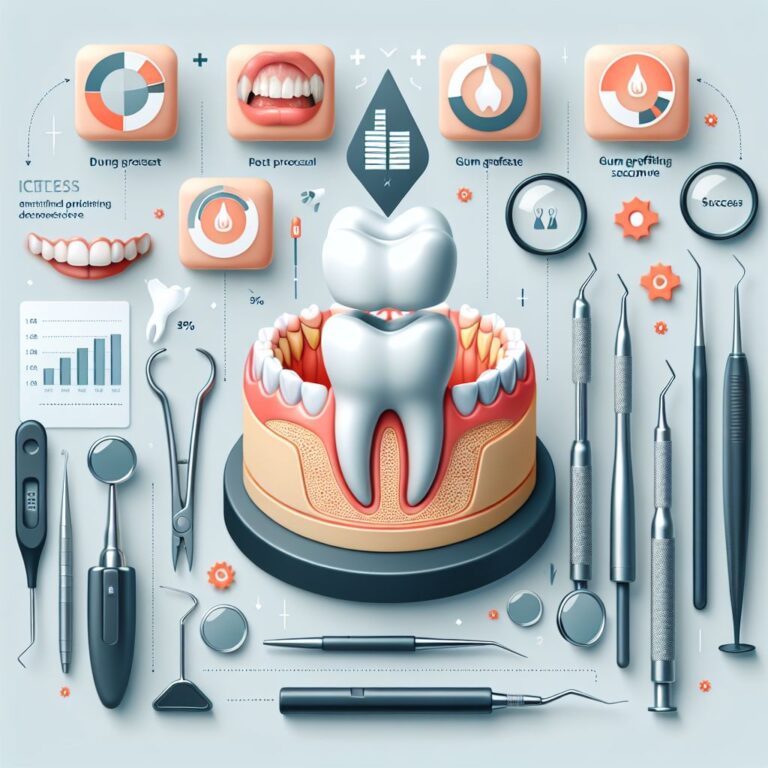
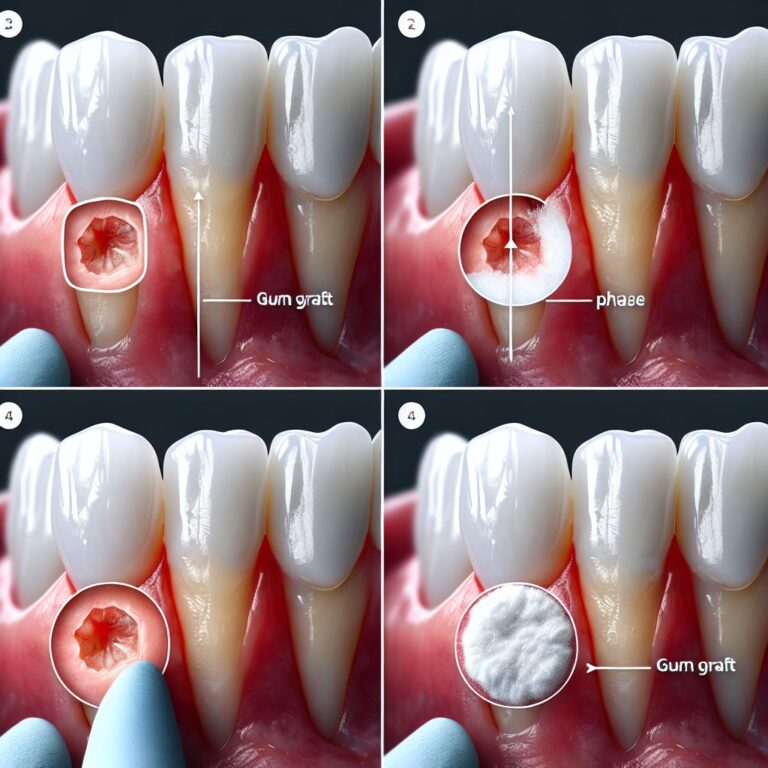
Gum grafting is a specialized periodontal procedure designed to restore lost gum tissue. For black triangles specifically, the procedure aims to rebuild the missing papilla between teeth. During this microsurgical procedure, a periodontist (gum specialist) takes tissue from elsewhere in your mouth—typically the palate—and places it strategically to rebuild the receded areas. The goal is to recreate the natural contour of healthy gums while providing additional tissue to protect the exposed root surfaces.
The Different Types of Gum Grafts Explained
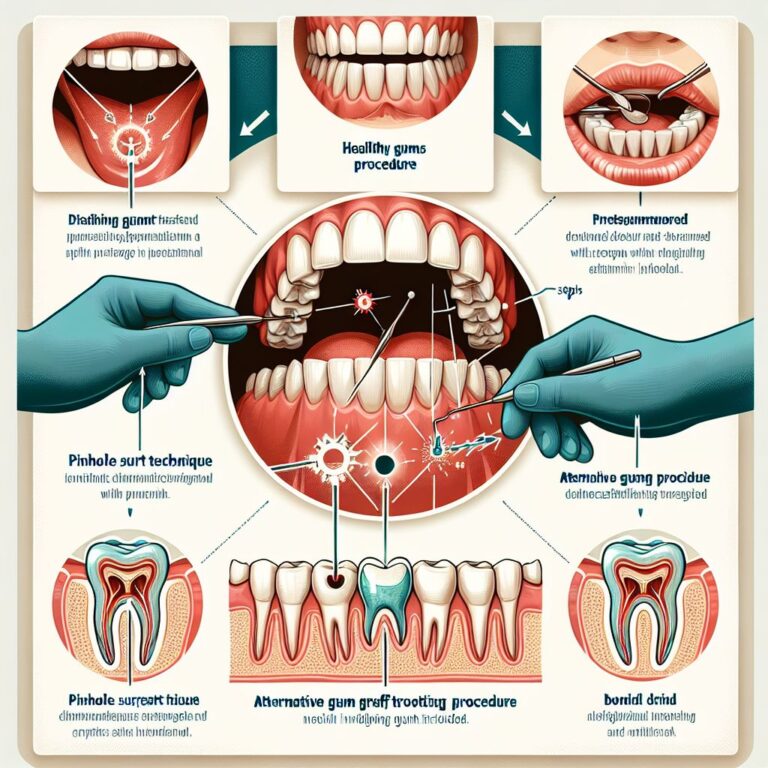
Not all gum grafts are created equal, especially when treating black triangles. Connective tissue grafts involve taking tissue from beneath the surface layer of your palate, offering substantial volume while minimizing donor site discomfort—making them ideal for significant papilla reconstruction. Free gingival grafts use tissue taken directly from the palate’s surface, providing excellent thickness but with more donor site discomfort. Pedicle grafts involve sliding nearby gum tissue over to cover the recession while keeping its original blood supply intact, which can be effective for black triangles when adjacent tissue is healthy and abundant. For minimally invasive options, some periodontists use the “pinhole surgical technique” that stretches existing gum tissue to cover receded areas without harvesting tissue from elsewhere.
Clinical Success Rates for Gum Grafting in Black Triangle Cases
A 2018 study published in the Journal of Periodontology found that specialized papilla reconstruction techniques achieved 76% average fill of black triangle spaces, with complete closure in approximately 38% of cases when proper case selection criteria were applied.
What Happens During the Procedure
The gum grafting procedure for black triangles is typically performed under local anesthesia to ensure your comfort. First, your periodontist will clean and prepare the recipient site between your teeth. If using a connective tissue graft, they’ll create a small incision in your palate and remove a piece of subepithelial tissue. For free gingival grafts, they’ll take tissue directly from the palate’s surface. The harvested tissue is then carefully shaped and sutured into position between your teeth, precisely where the papilla should be.
Most gum grafting procedures take between 1-2 hours depending on how many areas need treatment. Advanced microsurgical techniques using magnification help ensure precise placement of the delicate graft tissue. In some cases, your periodontist may use platelet-rich plasma (PRP) or growth factors derived from your own blood to accelerate healing and improve the success rate of the graft.
Recovery Timeline and What to Expect
After gum grafting, you’ll experience some discomfort for the first few days, particularly at the donor site if tissue was taken from your palate. Most patients manage this with over-the-counter pain relievers and a soft food diet. The initial healing phase takes about 7-14 days, during which you’ll need to avoid disturbing the graft area with aggressive brushing or flossing. A protective stent may be provided to cover the palatal wound if you had tissue harvested from there.
Complete healing and tissue maturation continues for 2-3 months after the procedure. During this time, the grafted tissue gradually integrates with the surrounding tissues and begins to take on a more natural appearance. You’ll have several follow-up appointments to monitor healing and ensure proper tissue development. Full aesthetic results may take up to 6 months to become fully apparent as the tissue continues to mature and conform to the spaces between your teeth.
When Grafting Successfully Closes Black Triangles
Gum grafting works best for black triangles when the primary cause is gum recession and when there’s adequate bone support underneath. The most successful cases typically involve patients with good overall periodontal health apart from the receded papilla. Recent studies show success rates of 70-90% for partial to complete closure when proper case selection is made. Younger patients generally experience better results due to their superior healing capacity and blood supply.
Cases with minimal to moderate papilla loss respond most favorably to grafting techniques. If your black triangles appeared following gum disease that’s now under control, grafting can be particularly effective. Patients with thick gum biotypes (naturally thicker gum tissue) also tend to have more predictable outcomes, as the grafted tissue has a better blood supply and stronger foundation for integration.
Cases Where Gum Grafting Won’t Fix Your Black Triangles
Despite its effectiveness in many situations, gum grafting isn’t a universal solution for all black triangles. Understanding when grafting is unlikely to succeed can save you from disappointment and unnecessary procedures. Several key factors can limit the success of gum grafting, and your periodontist will evaluate these during your consultation.
When the underlying issue isn’t primarily gum recession, other approaches often yield better results. Let’s examine the specific scenarios where grafting might not be your best option.
The Bone Loss Problem
Significant bone loss beneath the gums creates a fundamental structural problem that gum grafting alone cannot overcome. The gum tissue requires adequate bone support to maintain its position and shape. When periodontal disease or other conditions have caused substantial bone resorption between teeth, the foundation needed for successful gum grafting is compromised. In these cases, bone regeneration procedures may need to precede any soft tissue grafting.
Even with advanced techniques, attempting to graft gum tissue over areas with severe bone loss typically results in unpredictable outcomes and poor long-term stability. Your dentist might recommend a combined approach of bone grafting followed by soft tissue augmentation, or suggest alternative treatments that don’t rely on rebuilding the lost structures.
Triangular Tooth Shape Limitations
Teeth that are naturally triangular in shape present a unique challenge for treating black triangles. These teeth are wider at their biting edges and narrower near the gumline, creating natural spaces between adjacent teeth regardless of gum health. When teeth have this triangular shape, even perfectly healthy gums may not completely fill the spaces between teeth, especially at the gumline.
Gum grafting in these cases often yields limited aesthetic improvement because the fundamental issue is tooth shape rather than gum recession. The grafted tissue may still leave noticeable spaces due to the tooth anatomy. For patients with triangular teeth, approaches that modify tooth shape (like composite bonding or the Bioclear method) typically achieve more satisfactory cosmetic results than attempting to build up gum tissue.
Post-Orthodontic Triangles
Black triangles that appear following orthodontic treatment represent a particular challenge for gum grafting. These spaces often develop when teeth are moved apart and then brought together, but the gum tissue fails to follow the new tooth positions. Research shows that approximately 38% of adult orthodontic patients develop some degree of black triangles following treatment, particularly when there was crowding before treatment.
5 Alternative Solutions to Consider
When gum grafting isn’t the ideal solution for your black triangles, several effective alternatives exist. Each approach addresses the issue from a different angle, either by modifying the teeth themselves or using less invasive techniques to enhance the appearance of the gum tissue. The right choice depends on your specific situation, budget, and cosmetic goals.
These alternatives often provide faster results with less discomfort than gum grafting, though they may need to be maintained or replaced over time. Let’s explore the most effective options available.
1. Composite Bonding for Quick Gap Closure
Composite bonding uses tooth-colored resin material to reshape the sides of teeth, effectively closing black triangles by expanding the tooth contours. This minimally invasive procedure can be completed in a single visit without anesthesia and provides immediate results. Your dentist applies layers of composite material to the sides of the teeth adjacent to the black triangle, carefully sculpting the material to create natural-looking contours that close the gap while maintaining proper proportions.
2. Orthodontic Treatment to Reposition Teeth
Strategic orthodontic movement can eliminate black triangles by bringing teeth closer together or changing their angulation. This approach works particularly well for triangles that formed after previous orthodontic treatment or due to teeth drifting over time. Using techniques like interproximal reduction (carefully removing small amounts of enamel between teeth) combined with orthodontic movement allows for better tooth contact and improved gum tissue adaptation.
Modern clear aligner systems can be programmed specifically to address black triangles, with treatment times ranging from 3-12 months depending on the complexity of movement needed. This approach maintains your natural tooth structure while creating more favorable conditions for the gum tissue to fill the spaces between teeth.
3. Hyaluronic Acid Injections for Minimally Invasive Repair
Hyaluronic acid injections represent one of the newest approaches for treating black triangles. This naturally occurring substance attracts and binds water molecules, temporarily plumping the gum tissue. The procedure is quick, virtually painless, and requires no recovery time. Your dentist injects small amounts of hyaluronic acid directly into the papilla area, immediately filling the black triangle space.
Results from hyaluronic acid typically last 6-9 months before requiring touch-up treatments. Studies show up to 100% black triangle closure in suitable cases, though results vary based on the original defect size. This option is particularly appealing for patients seeking a non-surgical solution or those wanting to “test drive” the appearance before committing to more permanent treatments.
4. Bioclear Method for Reshaping Tooth Contours
The Bioclear Method offers a sophisticated approach to eliminating black triangles by using specialized clear matrices and flowable composite materials. Unlike traditional bonding, this technique creates highly polished, stain-resistant surfaces with superior strength. Your dentist places transparent forms between your teeth that create the ideal anatomical shape, then injects heated composite material that adapts perfectly to your tooth structure.
This approach effectively transforms triangular-shaped teeth into more rectangular forms that naturally close the spaces between teeth. The Bioclear Method typically requires just one or two appointments and provides results that can last 7-10 years with proper maintenance. Many patients appreciate that this solution preserves virtually all natural tooth structure while creating highly aesthetic results.
5. Pink Composites for Gum Tissue Simulation
Pink composite resin can be used to simulate gum tissue in cases where actual gum grafting isn’t feasible. This technique involves applying specially colored composite material that matches your natural gum shade to fill the black triangle area. While not actually replacing the missing gum tissue, this creates the visual appearance of healthy papilla. For more information on treatments for black triangles between teeth, you can explore various options.
This approach works well for patients with significant bone loss or other contraindications for grafting. The procedure can be completed in a single visit and requires no recovery time. While pink composites typically need replacement every 3-5 years due to staining and wear, they provide an immediate aesthetic improvement without surgery.
Which Treatment Is Right for Your Specific Case?
Determining the ideal treatment for your black triangles requires a comprehensive evaluation of multiple factors. No single approach works for every patient, which is why personalized assessment is crucial. The most successful treatment plans address both the underlying cause of your black triangles and your aesthetic goals.
How Dentists Determine the Best Approach
Your dentist will evaluate several key factors when recommending treatment. They’ll assess the height and health of your bone between teeth using X-rays, as bone support directly impacts which treatments can succeed. The shape and position of your teeth play a crucial role, as triangular teeth may respond better to reshaping than to gum procedures. Your gum biotype (thickness and quality of gum tissue) strongly influences healing potential and graft success. Additionally, your overall periodontal health, including any active gum disease, must be addressed before aesthetic treatments.
Most comprehensive evaluations also include digital smile design and specialized measurements of your interdental spaces. These detailed assessments help predict which approach will yield the best results for your specific situation.
Cost Comparison of Different Solutions
Treatment costs vary significantly between different approaches for black triangles. Gum grafting typically ranges from $600-$1,200 per tooth area, making it one of the more expensive options, though it’s often partially covered by dental insurance when performed for health reasons rather than purely cosmetic concerns. Composite bonding offers a more affordable alternative at $250-$500 per tooth, while the Bioclear Method costs $350-$600 per tooth area. Hyaluronic acid injections average $400-$800 per treatment session but require periodic maintenance.
Orthodontic approaches specifically targeting black triangles can range from $2,500-$6,000 for comprehensive treatment, though limited treatment focusing only on the affected teeth may cost less. Pink composites represent the most affordable option at $200-$400 per tooth area but require more frequent replacement than other solutions.
Weighing Invasiveness vs. Effectiveness
The most effective treatment isn’t always the least invasive, so balancing these factors is important. Gum grafting offers the most natural and potentially permanent solution but involves surgical intervention and extended recovery. Composite solutions and the Bioclear Method provide immediate results with minimal discomfort but may need replacement over time. Hyaluronic acid represents the least invasive approach but requires ongoing maintenance for sustained results.
Many patients start with the least invasive option that can reasonably address their concerns, progressing to more comprehensive treatments only if needed. Your dentist can help you understand the trade-offs between immediate results, longevity, maintenance requirements, and overall investment for each approach.
Preventing Black Triangles from Returning After Treatment
Successfully treating black triangles is only half the battle—preventing their recurrence requires ongoing attention to your oral care routine. Without proper maintenance, the same factors that caused your original black triangles can lead to their return, potentially undoing your investment in treatment. Implementing specific preventive measures can significantly increase the longevity of your results, regardless of which treatment approach you choose.
Proper Brushing Techniques to Protect Your Gums
Using the correct brushing technique is crucial for maintaining healthy gums and preventing recurrence of black triangles. Always use a soft-bristled toothbrush and gentle pressure, as aggressive brushing is a leading cause of gum recession. Hold your brush at a 45-degree angle to your gumline and use short, gentle circular or vibrating motions rather than harsh scrubbing. Electric toothbrushes with pressure sensors can help prevent applying excessive force that might damage delicate gum tissue, especially the interdental papilla that fills the spaces between teeth.
The Critical Role of Flossing Correctly
Proper flossing is essential for maintaining the health of your interdental papilla, but incorrect technique can actually damage this delicate tissue. Avoid snapping floss forcefully between teeth, which can cut or traumatize the gum tissue. Instead, gently slide the floss between teeth using a careful back-and-forth motion, then curve it around each tooth in a C-shape to clean below the gumline. Water flossers provide an excellent alternative for cleaning between teeth without the trauma risk of traditional floss, making them ideal for maintaining treated black triangle areas.
Regular Dental Checkups for Early Intervention
Schedule dental checkups every six months to monitor your gum health and catch any early signs of recurring issues. Your dentist can identify initial signs of gum recession or inflammation before they develop into visible black triangles. Professional cleanings remove hardened plaque (calculus) that can contribute to gum recession, while early intervention for any developing periodontal issues can prevent further loss of gum tissue. For patients who’ve had black triangles treated, some dentists recommend more frequent periodontal maintenance visits—typically every 3-4 months—to ensure optimal gum health is maintained.
If you notice any changes in your gum appearance between visits, don’t wait for your regular appointment. Early treatment of recurring gum issues is significantly more successful and less invasive than addressing advanced problems.
The Final Word: Getting the Smile You Want
Black triangles between teeth can be successfully treated with various approaches, though gum grafting remains the gold standard for cases primarily caused by gum recession. The key to satisfaction lies in proper diagnosis of the underlying cause and selecting the treatment that addresses your specific situation. Whether through rebuilding lost gum tissue, reshaping teeth, or a combination approach, modern dentistry offers solutions that can effectively eliminate these cosmetically challenging spaces and improve your oral health.
At SunnySmile Dental, we specialize in comprehensive treatment of black triangles using both surgical and non-surgical approaches tailored to each patient’s unique needs. Our team can help you understand which option will provide the best results for your specific situation, ensuring you achieve both the healthy smile and natural aesthetics you desire.
Frequently Asked Questions
Black triangles and their treatments generate many questions from patients considering their options. Here are answers to the most common concerns about gum grafting and alternative approaches for treating these spaces between teeth.
How much does gum grafting for black triangles typically cost?
Gum grafting specifically for black triangles typically costs between $600-$1,200 per tooth area, though prices vary based on your location, the complexity of your case, and your dentist’s expertise. Many dental insurance plans provide partial coverage when the procedure addresses functional concerns like root exposure, though purely cosmetic treatment may not be covered. Some periodontists offer package pricing when treating multiple adjacent areas, which can reduce the per-tooth cost. Always request a detailed treatment plan with associated costs before proceeding, and ask about financing options if the total investment is a concern.
Is gum grafting painful and how long is the recovery period?
Gum grafting is performed under local anesthesia, so you shouldn’t feel pain during the procedure itself. Most patients report mild to moderate discomfort for 3-5 days afterward, primarily at the donor site if tissue was harvested from the palate. This discomfort is typically manageable with over-the-counter pain relievers and a soft food diet. Initial healing occurs within 7-14 days, during which you’ll need to avoid disturbing the grafted area.
Complete recovery and tissue maturation continues for 2-3 months, though most patients return to normal activities and diet within two weeks. Your periodontist will provide specific post-operative instructions and may prescribe antimicrobial mouth rinses to support healing during the recovery period.
Can black triangles come back after treatment?
Yes, black triangles can potentially return after treatment if the underlying causes aren’t addressed. For gum grafting specifically, studies show long-term stability in 70-85% of cases when performed by experienced periodontists. The risk of recurrence increases if you continue aggressive brushing habits, develop gum disease, or have ongoing teeth grinding that puts pressure on the gum tissues.
Composite-based treatments (bonding, Bioclear) may show changes over time due to normal wear and aging of the materials, typically requiring touch-ups every 5-10 years. Hyaluronic acid injections are temporary by nature, with results lasting 6-9 months before requiring maintenance treatments.
The best protection against recurrence is addressing the original cause of your black triangles, maintaining excellent oral hygiene, and attending regular dental check-ups where your dentist can identify and address any early signs of returning issues.
- Factors that increase recurrence risk: Smoking, untreated grinding/clenching, aggressive brushing, poor oral hygiene
- Protective factors: Proper brushing technique, regular professional cleanings, night guards for teeth grinders
- Warning signs to watch for: Gum tenderness, bleeding when brushing, visible gum changes
- Maintenance recommendations: Professional cleanings every 3-6 months, annual evaluation of treated areas
Are there any non-surgical options that actually work?
Yes, several non-surgical options can effectively treat black triangles, though their suitability depends on your specific situation. Composite bonding and the Bioclear Method have high success rates (80-90%) for appropriate cases, particularly when the triangles are small to moderate in size and primarily related to tooth shape. These approaches can be completed in 1-2 visits with no recovery time. Hyaluronic acid injections show promising results in recent studies, with 70-100% improvement in black triangle appearance, though results are temporary.
For cases with minimal recession where the papilla is just slightly flattened rather than completely absent, specialized papilla stimulation techniques performed by periodontists can sometimes encourage natural tissue growth without surgery. These include papilla pricking, tissue manipulation, and growth factor applications that stimulate your body’s natural healing response to build up the tissue over time.
How do I know which treatment is best for my specific case?
Determining the optimal treatment requires a comprehensive evaluation by a dentist with experience in treating black triangles. This assessment should include detailed measurements of your interdental spaces, evaluation of bone levels through X-rays, assessment of your gum biotype (thickness), and analysis of your tooth shape and position. Many specialists now use digital smile design software to visualize potential outcomes from different treatment approaches.
Consider seeking consultations with both a cosmetic dentist and a periodontist to get perspectives on both tissue-based and tooth-based solutions. The ideal treatment balances effectiveness for your specific situation with your preferences regarding invasiveness, recovery time, longevity, and budget. Don’t hesitate to ask potential providers about their experience specifically with black triangle treatments and to see before-and-after photos of similar cases they’ve treated.
Remember that combined approaches often yield the best results. For instance, minor orthodontic movement followed by conservative bonding might provide better outcomes than either treatment alone, while requiring less invasive procedures than gum grafting.