
Key Takeaways
- A typical gum graft procedure takes 60-90 minutes to complete, though your appointment may last longer including preparation and post-op instructions.
- Recovery time varies based on graft type, with free gingival grafts taking 1-2 weeks and connective tissue grafts requiring 4-8 weeks for complete healing.
- Most patients can return to work within 1-3 days, though healing continues for several weeks afterward.
- Colorado Gum Care specializes in advanced gum grafting techniques that can improve both recovery time and patient comfort.
- Proper post-operative care significantly impacts healing time, with certain foods and activities potentially extending your recovery period.
Gum recession can happen to anyone, and when it does, a gum graft might be your ticket to restored oral health. But how much time should you block off in your calendar for this procedure? At Colorado Gum Care, we understand that knowing what to expect timeline-wise helps ease anxiety and allows for better planning. The answer isn’t one-size-fits-all, but we can walk you through the typical timeframes from consultation to complete recovery.
Understanding the gum grafting timeline is crucial for proper planning. While the actual surgical procedure takes between 60 to 90 minutes in most cases, your recovery journey extends well beyond the dentist’s chair. Several factors influence healing time, including the type of graft performed, your body’s natural healing ability, and how diligently you follow aftercare instructions.
At-a-Glance: Gum Graft Timeline
Gum grafting isn’t just a single appointment but a process that unfolds over several weeks. Initially, you’ll have a consultation to determine if you’re a candidate. The procedure itself typically takes 60-90 minutes, depending on how many teeth require treatment. Most patients experience noticeable healing within the first 7-14 days, but complete tissue integration can take anywhere from 4-8 weeks.
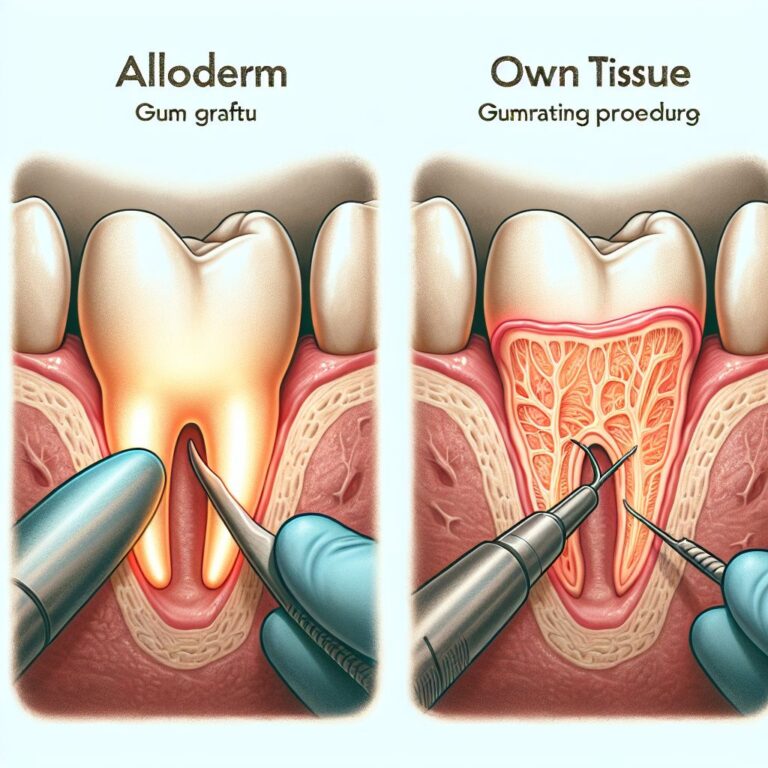
Recovery varies significantly based on the type of graft performed. Free gingival grafts (taking tissue directly from the palate) generally have a more uncomfortable recovery period of 1-2 weeks. Connective tissue grafts (the most common type) usually have patients feeling back to normal in about 7-10 days, though complete healing takes longer. The innovative pinhole surgical technique offered at Colorado Gum Care often results in faster recovery times with minimal discomfort.
The Complete Gum Graft Procedure: From Start to Finish
- Initial consultation and treatment planning (30-45 minutes)
- Pre-operative preparation and anesthesia (15-20 minutes)
- Actual surgical procedure (60-90 minutes for 1-3 teeth)
- Post-operative instructions and care (15-20 minutes)
- Initial healing phase (7-14 days)
- Complete tissue integration (4-8 weeks)
The journey begins with a thorough examination of your gums to determine the extent of recession and the best grafting approach for your specific case. Your periodontist will discuss your medical history, take measurements of the affected areas, and possibly order specialized imaging. This consultation is also when you’ll discuss sedation options, as many patients opt for conscious sedation to ensure comfort during the procedure.
Before scheduling your graft, you might need to address any existing gum disease or infections. This preparatory phase is crucial for ensuring optimal results and might add a few weeks to your overall timeline if treatment is necessary. Your periodontist will also advise you on medications to avoid before surgery and provide instructions for the day of your procedure.
What Happens During the 60-90 Minute Surgery
On the day of your procedure, you’ll arrive about 15 minutes early to complete any remaining paperwork and prepare for surgery. The actual gum grafting procedure follows a fairly standard timeline, though the exact duration depends on how many teeth require treatment and which grafting technique is used.
Typical Gum Graft Procedure Timeline
Administration of local anesthesia: 5-10 minutes
Tissue harvesting (if using your own tissue): 10-15 minutes
Preparation of the recipient site: 10-20 minutes
Placement and suturing of the graft: 20-30 minutes
Final adjustments and instructions: 10-15 minutes
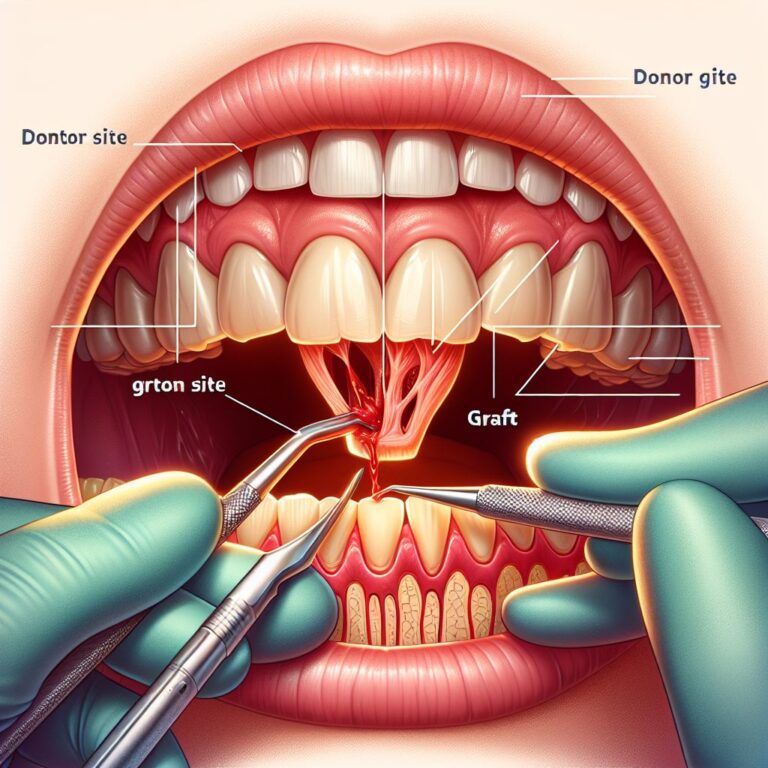
During the procedure, you’ll be comfortably positioned in the dental chair with local anesthesia ensuring you don’t feel pain during the surgery. If you’ve opted for sedation, you’ll feel relaxed and possibly drowsy throughout the procedure. The periodontist begins by cleaning the area and preparing the recipient site where the graft will be placed. If using your own tissue (autograft), they’ll carefully remove a small piece from the roof of your mouth or nearby gum tissue.
Different Graft Types and Their Time Requirements
Not all gum grafts are created equal, and the technique used significantly impacts your time in the chair and recovery period. Free gingival grafts, which take tissue directly from the palate and place it over the recession, generally take 45-60 minutes for a single tooth. Connective tissue grafts, the most common type, involve harvesting tissue from under a flap in your palate and typically require 60-90 minutes for 1-3 teeth.
The innovative pinhole surgical technique offered at Colorado Gum Care often reduces procedure time to 60 minutes or less, even when treating multiple teeth. This minimally invasive approach eliminates the need for harvesting tissue, cutting down both surgical and recovery time. Allograft procedures using donor tissue can also reduce surgical time since there’s no need to harvest your own tissue.
For extensive cases involving multiple teeth across different areas of the mouth, your periodontist might recommend splitting the procedure into multiple appointments. This approach, while extending the overall treatment timeline, can significantly improve comfort during recovery by allowing you to chew on the unaffected side between procedures. For more information on similar services, you can visit Colorado Gum Care Services.
Preparation Steps Before Your Appointment
Proper preparation can streamline your gum graft experience and potentially reduce your time in the dental chair. About two weeks before your scheduled procedure, your periodontist may recommend a professional cleaning to ensure the treatment area is free from plaque and bacteria. You might also need to adjust certain medications like blood thinners (always consult with your primary physician before changing any prescribed medications).
The night before surgery, arrange for someone to drive you home if you’ll be receiving sedation. Eat a light meal before your appointment unless instructed otherwise, and wear comfortable clothing. Arriving 15 minutes early allows time for any last-minute questions and paperwork, helping your appointment stay on schedule.
Your First 48 Hours After Surgery
The initial 48 hours post-surgery are crucial for successful healing and significantly impact your overall recovery timeline. During this period, blood clots form at the surgical sites, providing the foundation for new tissue growth. Disturbing these clots can add days or even weeks to your recovery time.
Managing Initial Swelling and Discomfort
Immediately after your procedure, your periodontist will apply gauze to control bleeding and provide detailed instructions for at-home care. Expect some swelling and discomfort for the first 24-48 hours. Apply ice packs to the outside of your face for 20 minutes on, 20 minutes off during the first day to minimize swelling. Most patients find that over-the-counter pain medications are sufficient for managing discomfort, though your dentist may prescribe stronger medication if needed.
The initial recovery period requires patience, as your mouth will feel different and potentially uncomfortable. Bleeding should subside within the first few hours, though some oozing may continue for up to 24 hours. If bleeding continues beyond this timeframe or becomes heavy, contact your periodontist immediately as this could extend your recovery time.
Eating and Drinking Guidelines
First 48 Hours Diet Recommendations
Consume only cool, soft foods like yogurt, pudding, and applesauce
Avoid hot, spicy, crunchy, or acidic foods that could irritate the surgical site
Drink plenty of water but avoid using straws which can dislodge blood clots
Stay away from alcohol and carbonated beverages for at least 72 hours
Chew on the side opposite to your surgical site
Your eating habits in the days following surgery significantly impact healing time. Stick to cool, soft foods for the first 48 hours to avoid disturbing the surgical site. Nutritious options include yogurt, smoothies (eaten with a spoon, not a straw), mashed potatoes, and scrambled eggs. Staying hydrated is essential for healing, but avoid drinking through straws as the suction can dislodge blood clots and delay recovery. For more information on post-surgical care, visit our services page.
As you progress through the first week, you can gradually introduce slightly firmer foods, always being careful to chew away from the surgical site. Most patients can return to their normal diet within 2-3 weeks, though crunchy or hard foods should be avoided until your periodontist gives you the all-clear, typically at your follow-up appointment.
When You Can Return to Work
Most patients wonder how much time they’ll need to take off work after a gum graft. For desk jobs with minimal physical exertion, many people return to work within 1-2 days after surgery. If your job involves physical labor, public speaking, or extensive talking, you might need 3-5 days before returning. Factors like the extent of your procedure, sedation type used, and your body’s natural healing ability all influence this timeline.
Activities to Avoid
- Vigorous exercise or heavy lifting for at least 3-5 days
- Smoking or using tobacco products (extends healing by weeks)
- Alcohol consumption for at least 72 hours
- Poking the surgical site with your tongue or fingers
- Brushing directly over the graft site until cleared by your dentist
- Hot foods or beverages for the first 48 hours
Following these activity restrictions diligently can prevent complications that might extend your recovery period. While it might seem overly cautious, even seemingly minor activities like vigorous rinsing or spitting can dislodge blood clots and significantly set back your healing timeline. Your periodontist will provide a personalized list of restrictions based on your specific procedure and health needs.
Week-by-Week Recovery Timeline
Recovery from a gum graft follows a predictable pattern, though individual healing times can vary. Understanding this timeline helps set realistic expectations and allows you to track your progress. While you’ll notice significant improvements within the first two weeks, complete healing takes considerably longer.
Days 1-7: Initial Healing Phase
The first week is critical for establishing a strong foundation for healing. During the first 24-48 hours, blood clots form at the surgical sites, and initial inflammatory responses cause swelling and discomfort. By days 3-5, swelling typically peaks and then begins to subside. Most patients report feeling significantly better by day 5, though the surgical area will still appear red and slightly swollen.
By the end of the first week, any non-dissolvable stitches may be removed at a follow-up appointment. The donor site (usually the roof of your mouth) generally causes more discomfort than the grafted area itself during this initial period. Most patients can return to light activities and a soft food diet by the end of the first week.
Weeks 2-4: Tissue Integration
During the second and third weeks, the graft begins to firmly attach to the surrounding tissues. The appearance of the graft changes from bright red to a lighter pink color, indicating healthy integration. Dissolvable stitches typically disappear during this period, and most patients can resume gentle brushing around (but not directly on) the grafted area by week three.
Sensitivity to temperature and touch gradually diminishes during this phase. While the area may still look slightly different from your regular gum tissue, the visual appearance improves steadily. Most patients can return to their normal diet by the end of week three, though extremely hard or crunchy foods should still be avoided.
Healing Milestone Timeline
Days 1-3: Initial blood clot formation and peak swelling
Days 4-7: Reduction in swelling and discomfort
Weeks 2-3: Color change from red to pink, improved comfort
Weeks 4-6: Tissue maturation and strengthening
Months 2-3: Complete integration and final aesthetic result
Months 1-3: Complete Healing and Results
The final phase of healing occurs largely beneath the surface as the newly grafted tissue fully integrates with your existing gum tissue. By the end of the first month, most visible signs of the procedure have resolved. During months two and three, the tissue continues to mature and strengthen, eventually blending seamlessly with your natural gum line.
Your periodontist will typically schedule a follow-up appointment around the three-month mark to evaluate the final results. At this point, the graft should have fully stabilized, providing the intended coverage and protection for your tooth roots. Some minor changes in appearance may still occur over the next few months as the tissue fully matures.
Factors That Affect Your Healing Time
The gum grafting recovery timeline isn’t identical for everyone. Several important factors can significantly extend or reduce your healing period. Being aware of these factors helps you set realistic expectations for your own recovery journey.
Single vs. Multiple Graft Sites
The number of teeth requiring grafting directly impacts your healing timeline. Single-tooth grafts generally heal faster and cause less overall discomfort than procedures involving multiple teeth. When multiple areas require treatment, your periodontist might recommend splitting the procedure into separate appointments to improve comfort and healing outcomes.
With multiple graft sites, the risk of complications also increases slightly, potentially extending recovery time. However, experienced periodontists at Colorado Gum Care carefully plan multi-site procedures to minimize these risks while maximizing aesthetic and functional outcomes.
Your Overall Health and Age
Your body’s natural healing ability plays a significant role in recovery time. Patients with conditions that affect healing, such as diabetes or autoimmune disorders, may experience longer recovery periods. Proper management of these conditions before surgery can help optimize healing potential. Age also factors into recovery, with younger patients typically healing somewhat faster than older adults.
Medications like blood thinners, immunosuppressants, and certain supplements can also impact healing time. Always provide your periodontist with a complete list of all medications and supplements you take to ensure proper planning and care instructions.
Smoking and Other Habits That Slow Healing
Smoking is perhaps the single most detrimental factor for gum graft healing. Tobacco use restricts blood flow to the gums, significantly delaying healing and increasing the risk of graft failure. Studies show that smokers may experience healing times up to twice as long as non-smokers. Ideally, quit smoking at least two weeks before surgery and throughout the recovery period—or use this as motivation to quit permanently.
Alcohol consumption also impairs healing by causing dehydration and potentially interacting with medications. Even seemingly minor habits like frequent spitting, aggressive rinsing, or using straws can disrupt the surgical site and extend recovery time.
Nutrition for Faster Recovery
Your diet plays a crucial role in how quickly you heal after a gum graft. Protein-rich foods provide the building blocks your body needs to generate new tissue. Vitamin C supports collagen formation, while zinc and vitamin A contribute to immune function and tissue repair. Staying well-hydrated is equally important, as proper hydration supports all healing processes.
A balanced diet rich in whole foods accelerates healing compared to processed foods high in sugar and refined carbohydrates. While maintaining proper nutrition through soft foods can be challenging, options like protein smoothies, scrambled eggs, and well-cooked fish provide the nutrients needed for optimal recovery.
How to Speed Up Your Recovery
While the biological process of healing follows its own timeline, several strategies can help optimize your recovery after a gum graft. Following these recommendations can help you avoid complications that might extend your healing period.
Essential Aftercare Instructions
Following your periodontist’s aftercare instructions precisely is the single most important factor in ensuring timely healing. This includes taking all prescribed medications as directed, even if you begin feeling better before finishing the course. Antibiotics must be completed to prevent infection, while pain medications should be taken as prescribed to manage discomfort.
Gentle oral hygiene is crucial during recovery. While you’ll need to avoid brushing the surgical site initially, keeping the rest of your mouth clean helps prevent complications. Your periodontist will provide specific instructions for cleaning around the graft site, typically involving a gentle antimicrobial rinse for the first week.
Rest is another essential component of recovery, particularly during the first 48-72 hours. Limiting physical activity reduces bleeding risk and allows your body to direct energy toward healing. Most patients can gradually resume normal activities starting around day four, though strenuous exercise should be avoided for at least 7-10 days.
Recovery Acceleration Checklist
Take all medications exactly as prescribed
Follow oral hygiene instructions meticulously
Get adequate rest, especially in the first 72 hours
Maintain optimal nutrition and hydration
Avoid tobacco, alcohol, and straws completely
Attend all follow-up appointments
Foods That Help Healing
What you eat during recovery can significantly impact healing time. Focus on nutrient-dense, soft foods that provide the building blocks your body needs without irritating the surgical site.
| Food Category | Beneficial Options | Benefits for Healing |
|---|---|---|
| Proteins | Greek yogurt, scrambled eggs, protein smoothies, soft fish | Tissue repair and regeneration |
| Fruits & Vegetables | Avocados, bananas, well-cooked vegetables, applesauce | Vitamins, minerals, and antioxidants |
| Grains & Starches | Oatmeal, mashed potatoes, soft pasta | Energy for healing processes |
| Liquids | Water, herbal tea, bone broth | Hydration and nutrient delivery |
Cold foods like yogurt and smoothies serve double duty during the first 48 hours – they provide nutrition while helping to reduce swelling. As you progress through the first week, gradually introduce lukewarm soft foods. Avoid anything spicy, acidic, or containing small seeds that could become trapped in the surgical site. For more information on post-surgery care, you can visit Colorado Gum Care.
Staying well-hydrated is equally important for optimal healing. Water helps transport nutrients to healing tissues and removes waste products. Aim for 8-10 glasses of water daily, but remember to avoid drinking through straws, which can create suction that might dislodge blood clots.
After the first week, you can gradually expand your diet as comfort allows, but continue avoiding crunchy, sticky, or hard foods until your periodontist gives you clearance – typically around the 3-4 week mark.
When to Call Your Dentist
While some discomfort is expected during recovery, certain symptoms warrant immediate attention from your periodontist. Excessive bleeding that doesn’t subside with gentle pressure, severe pain not controlled by prescribed medications, or spreading swelling could indicate complications. Other concerning signs include fever above 101°F, pus discharge, or a sudden change in the appearance of the graft site. For more information on gum care, visit Colorado Gum Care.
Don’t hesitate to contact Colorado Gum Care if you’re unsure about your symptoms or recovery progress. Addressing potential complications early typically results in faster resolution and prevents delays in the overall healing timeline. Most complications, when caught early, can be managed with simple interventions that keep your recovery on track.
Your Results Are Worth the Wait
While the recovery process may seem lengthy, the long-term benefits of a successful gum graft make it worthwhile. Properly healed gum grafts can last a lifetime with good oral hygiene and regular dental care. The procedure not only improves the appearance of your smile but also protects exposed tooth roots, reduces sensitivity, and helps prevent further recession.
The initial investment of time in proper healing pays dividends in the form of improved oral health and comfort for years to come. Most patients report high satisfaction with their results once healing is complete, finding the temporary lifestyle adjustments during recovery a small price to pay for the benefits received.
At Colorado Gum Care, we’re committed to supporting you throughout the entire process, from initial consultation through complete recovery. Our experienced team provides comprehensive care and remains available to address any concerns that arise during your healing journey.
- Protect vulnerable tooth roots from decay and sensitivity
- Improve the aesthetics of your smile by correcting uneven gum lines
- Prevent further recession and potential tooth loss
- Reduce temperature sensitivity for greater comfort
- Enhance overall oral health and function
Frequently Asked Questions
Throughout our years of performing gum graft procedures at Colorado Gum Care, we’ve encountered many questions about recovery timelines and what to expect. Here are answers to the most common questions our patients ask about the gum grafting process.
Remember that while these answers provide general guidance, your periodontist will give you personalized instructions based on your specific procedure and health needs. Always follow the advice provided by your dental professional for optimal results.
Is a gum graft painful during the procedure?
During the actual procedure, you should feel little to no pain. Local anesthesia thoroughly numbs both the donor and recipient sites before any tissue is removed or placed. Many patients also opt for sedation dentistry options ranging from nitrous oxide (“laughing gas”) to oral sedatives or IV sedation, which not only prevent pain but also reduce anxiety and awareness during the procedure.
Most patients report that any discomfort comes during the recovery period rather than during the procedure itself. The good news is that this post-operative discomfort is typically manageable with over-the-counter pain relievers or prescription medications provided by your periodontist. The donor site (typically the roof of your mouth) often causes more discomfort than the grafted area itself.
How much time should I take off work for a gum graft?
Most patients can return to desk jobs or light duty work within 1-3 days after a gum graft procedure. However, if your job involves physical labor, public speaking, or extensive talking, you might need 3-5 days of recovery time before returning. Factors that influence this timeline include the extent of your procedure, type of sedation used, and your body’s natural healing ability. Always follow your periodontist’s specific recommendations for your situation.
Can I eat normally after a gum graft?
You’ll need to modify your diet for approximately 2-3 weeks following a gum graft. For the first 1-2 weeks, stick to soft foods that require minimal chewing and avoid anything hot, spicy, crunchy, or with small seeds. Good options include yogurt, smoothies (eaten with a spoon, not a straw), mashed potatoes, scrambled eggs, and well-cooked pasta. As healing progresses, you can gradually reintroduce firmer foods, but continue to chew on the opposite side from the surgical site until your periodontist gives you clearance to resume your normal diet.
Will my insurance cover gum grafting?
Many dental insurance plans provide partial coverage for gum grafting, especially when the procedure is deemed medically necessary rather than purely cosmetic. Typically, insurance may cover 50-80% of the procedure up to the plan’s annual maximum. Coverage rates vary significantly between providers and specific plans.
Before scheduling your procedure, the team at Colorado Gum Care will verify your benefits and provide a detailed breakdown of expected costs. For patients without insurance or with limited coverage, we offer financing options to make treatment more accessible.
It’s worth noting that while the upfront cost may seem significant, gum grafting is an investment in preventing more expensive dental problems down the road. Left untreated, receding gums can lead to tooth loss and the need for more extensive interventions like dental implants.
How can I tell if my gum graft is healing properly?
Healthy healing follows a predictable pattern in the weeks after your procedure. During the first week, the graft site will appear red, slightly swollen, and may have a white or yellowish film – this is normal and part of the initial healing process. By the end of the second week, the area should look less red and irritated, with the graft beginning to blend with surrounding tissue.
Signs of proper healing include gradually decreasing swelling and discomfort, minimal bleeding after the first day, and a progressive color change from bright red to pink. By weeks 3-4, the graft should be firmly attached and starting to match your natural gum color, though complete color matching may take several months.