
Key Takeaways
- White tissue on a healing gum graft is typically normal and indicates the formation of a protective fibrin layer necessary for proper healing.
- The white appearance of a gum graft generally changes to a pink color over 6-8 weeks as the tissue integrates with your natural gums.
- Differentiating between normal healing tissue and signs of infection is crucial for proper graft recovery.
- Colorado Gum Care specialists recommend specific aftercare techniques to ensure optimal healing without disturbing the white protective layer.
- While some white tissue is expected, certain changes in appearance or increasing pain after 3-4 days require immediate professional attention.
Noticing white tissue where your gum graft was placed can be alarming if you don’t know what to expect. The good news? In most cases, this white tissue is completely normal and actually indicates proper healing.
At Colorado Gum Care, we understand that seeing any unexpected changes after a dental procedure can cause concern. Our periodontists frequently address questions about the appearance of gum grafts during recovery, particularly regarding the white tissue that often develops.
Why White Tissue Appears on Your Healing Gum Graft
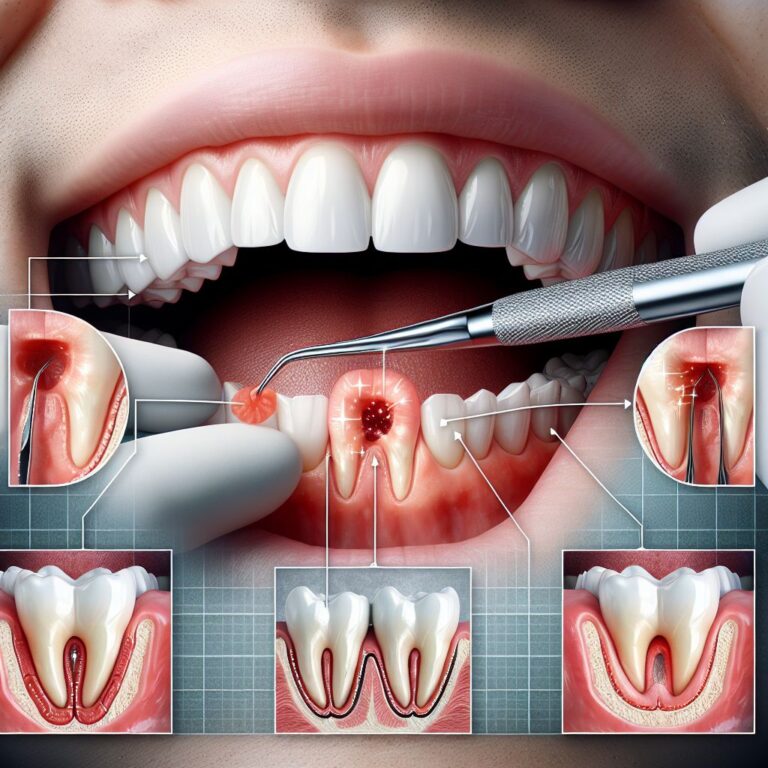
When a gum graft is placed, your body immediately begins the healing process. The white tissue you see is primarily fibrin—a protein that forms during the normal clotting process. This protective layer serves as a natural bandage, covering the graft site while new blood vessels establish connections with the transplanted tissue.
During the first few days after surgery, this white layer is absolutely essential. It protects the delicate graft underneath and provides a scaffold for new tissue to grow. As periodontist Dr. Irina Dragan explains, “The graft may appear white or a lighter pink than the rest of the gum, as it takes time for the healing to be complete.”
The whitish appearance is especially prominent with free gingival grafts, where tissue from the roof of your mouth is directly transplanted onto the gum surface. These grafts initially rely on nutrients from surrounding tissues until new blood vessels form—a process called revascularization.
Normal vs. Concerning: When to Worry About White Tissue
Most white tissue on healing gum grafts is perfectly normal. However, being able to distinguish between healthy healing and potential complications can save you unnecessary stress—or help you catch problems early.
How Normal Healing Looks Week by Week
The healing timeline for gum grafts follows a relatively predictable pattern, though individual healing rates may vary. Understanding what to expect can help you monitor your recovery more effectively.
During week one, the graft appears distinctly white or light pink compared to your natural gums. This is when the protective fibrin layer is most noticeable. By weeks two to three, the stark white appearance begins to fade as the graft develops more blood supply. The periodontist will typically check that the graft has “taken” at about the two-week mark. Between weeks four and six, the graft gradually blends better with surrounding tissue, though it may still appear slightly lighter. Complete healing and color matching usually occurs between six weeks and six months after surgery.
Red Flags That Need Immediate Attention
While some white tissue is expected, certain signs warrant immediate professional attention. Excessive swelling that increases after 3-4 days rather than decreasing could indicate infection or other complications. Similarly, severe pain that worsens days after the procedure instead of gradually improving is not normal.
If the graft appears to be separating from the surrounding tissue or you notice yellow or green discharge (rather than white tissue), contact your periodontist immediately. These signs, especially when accompanied by fever or increasing pain, could indicate infection that requires prompt treatment.
Normal White Tissue vs. Signs of Trouble
Normal: Uniform white or light pink color
Normal: Gradual improvement in pain levels
Normal: White appearance that gradually fades over weeks
Concerning: Yellow or green discharge
Concerning: Increasing rather than decreasing pain
Concerning: Graft separating from surrounding tissue
Pain Levels to Expect During Healing
Some discomfort is normal during gum graft healing, but it should follow a predictable pattern. Most patients experience the most significant discomfort during the first 24-72 hours after surgery. This discomfort can usually be managed with prescribed pain medications or over-the-counter pain relievers as recommended by your periodontist.
If you had tissue harvested from your palate, this donor site often causes more discomfort than the graft site itself. As one periodontist notes, “Patients usually consider the healing of the roof of the mouth to be the most uncomfortable part of the procedure—the discomfort is often compared to having burned that area on hot pizza.” For this reason, donor tissue alternatives are sometimes recommended to reduce recovery discomfort.
4 Types of White Tissue on Gum Grafts
Understanding the different types of white tissue that can appear during gum graft healing helps you better interpret what you’re seeing. Not all white tissue has the same significance, and some types are more common with certain graft procedures than others.
1. Protective Fibrin Layer
The most common type of white tissue is the protective fibrin layer that forms immediately after grafting. This layer appears as a uniform, slightly off-white or cream-colored tissue covering the graft site. The fibrin clot is crucial for initial healing as it protects the delicate graft while it establishes a new blood supply.
This protective layer forms within hours after the procedure and may become more noticeable during the first 2-3 days. As your periodontist will explain, you should never attempt to remove or disturb this layer, as it’s an essential part of the healing process. Over time, this layer will naturally be replaced by healthy gum tissue as new cells grow.
2. Natural Tissue Sloughing
As healing progresses, you may notice small bits of white tissue that seem to be coming loose. This is typically dead surface cells sloughing off as new tissue forms underneath. This process is similar to how your skin peels after a sunburn, as new healthy tissue replaces damaged cells.
Tissue sloughing generally begins around days 5-10 after the procedure. While it might be concerning to see pieces of tissue in your mouth, this is generally part of normal healing. However, if large portions of the graft appear to be separating, contact your periodontist, as this could indicate an issue with graft attachment.
3. Surface Necrosis (Normal and Expected)
Some degree of surface necrosis (death of surface tissue cells) is normal and expected in most gum grafts, especially free gingival grafts. This appears as a whitish layer on top of the graft that may seem slightly thicker or more opaque than the initial fibrin layer. It’s essentially a small amount of surface tissue that doesn’t receive adequate blood supply during the initial healing phase.
Surface necrosis doesn’t mean the graft has failed. In fact, it’s part of the normal adaptation process as the deeper layers of the graft establish connections with your body’s blood supply. This white layer will gradually slough off over the first 1-2 weeks, revealing healthier pink tissue underneath that will continue to mature and blend with your natural gums.
4. Signs of Possible Infection
While most white tissue is normal, certain characteristics may indicate infection or other complications. If the white tissue appears yellowish or greenish, feels extremely soft and mushy, has an unpleasant odor, or is accompanied by significant swelling, increasing pain, or fever, these could be signs of infection that require immediate professional attention. Unlike normal healing white tissue, infected tissue often extends beyond the graft site and may cause the surrounding gums to appear red and inflamed.
How Different Graft Types Heal
The appearance of white tissue and overall healing pattern varies depending on the type of graft performed. Your periodontist selects the most appropriate graft type based on your specific needs, the amount of recession, and other factors unique to your situation.
Each graft type has distinct healing characteristics that influence how white tissue presents and resolves during recovery. Understanding these differences can help you better anticipate what to expect during your healing journey.
- Free Gingival Grafts: Most likely to show prominent white tissue
- Connective Tissue Grafts: Often show less surface white tissue
- Allografts (Donor Tissue): Varied healing patterns based on processing method
- Platelet Concentrate Grafts: Minimal white tissue appearance
The amount of white tissue that appears can also be influenced by the location of the graft in your mouth. Areas with better blood supply typically show less white tissue and heal faster than areas with more limited circulation.
Your own healing capacity plays a role too. Factors like smoking, diabetes, or certain medications can affect blood flow and healing, potentially resulting in more pronounced or prolonged white tissue appearance during recovery.
Free Gingival Grafts and White Tissue
Free gingival grafts, which take tissue directly from the palate and place it over the exposed root or bone, typically show the most prominent white tissue during healing. This is because these grafts initially have no blood supply of their own and must completely rely on surrounding tissues for nutrients until new blood vessels form.
Free Gingival Graft Healing Timeline
Days 1-3: Uniform white appearance
Days 4-7: Prominent white tissue, possible slight discoloration
Days 8-14: Tissue begins to take on more pink tones at margins
Weeks 3-6: Gradual transition to pink, may remain lighter than surrounding tissue
Months 3-6: Final color integration with adjacent tissues
The white appearance in free gingival grafts is most noticeable during the first two weeks. During this critical period, the graft is establishing its new blood supply through a process called revascularization. As periodontist Dr. Irina Dragan notes, “The graft may appear white or a lighter pink than the rest of the gum, as it takes time for the healing to be complete.”
Because free gingival grafts involve fully exposed tissue, they generally take longer to achieve final color matching with your natural gums—sometimes up to six months for complete integration. However, the prominent white appearance typically resolves within the first 4-6 weeks.
Connective Tissue Grafts: What to Expect
Connective tissue grafts, which involve placing tissue from under the surface layer of your palate beneath your existing gum, typically show less white tissue during healing than free gingival grafts. This is because the graft is partially covered by your existing gum tissue, which provides some immediate blood supply to the healing graft. While you may still notice some white tissue along the margins where the tissue was sutured, the appearance is generally less stark than with free gingival grafts, and color matching with surrounding tissues typically occurs more quickly.
Donor Tissue Healing Patterns
When donor tissue alternatives are used (from human, bovine, porcine, or fish sources), the healing pattern and white tissue appearance can vary based on the specific processing method. These grafts often show less pronounced white tissue during healing compared to grafts taken from your own palate. The main advantage of these alternatives is reducing recovery discomfort, as there’s no donor site wound on your palate to heal. Your periodontist can explain the specific healing expectations for the type of donor material selected for your procedure.
Home Care Do’s and Don’ts for White Tissue
Proper home care is crucial to ensuring your gum graft heals optimally, especially when it comes to protecting the white tissue that forms during recovery. Following these guidelines can make the difference between successful healing and potential complications.
Cleaning Around the Graft Safely
During the initial healing phase, avoid brushing the graft site directly. Instead, your periodontist will likely prescribe an antimicrobial mouth rinse such as chlorhexidine to help control bacteria without disrupting the graft. Gently rinse with the prescribed solution twice daily, being careful not to swish too vigorously. When rinsing with water after meals, use a similar gentle technique to remove food particles without disturbing the graft.
Never use a water flosser, traditional floss, or interdental brushes near the graft site until your periodontist gives you explicit permission to do so. These tools can easily disrupt the delicate healing tissue, potentially compromising the success of your graft. For areas away from the graft, maintain your normal oral hygiene routine to prevent problems elsewhere in your mouth.
Foods That Won’t Disrupt Healing
Your diet plays a significant role in protecting the white healing tissue on your graft. During the first week, stick to soft, cool foods that require minimal chewing such as yogurt, smoothies, mashed potatoes, and well-cooked pasta. Avoid anything hard, crunchy, spicy, or extremely hot in temperature, as these can damage the graft or increase blood flow to the area, potentially disrupting early healing.
Particularly helpful are foods rich in vitamin C and protein, which support tissue healing. Options like scrambled eggs, cottage cheese, and smoothies with protein can provide necessary nutrients without risking damage to your graft. As healing progresses, you can gradually reintroduce more normal foods, but continue to chew on the opposite side from your graft site for at least 2-3 weeks.
- Safe foods: Yogurt, smoothies, eggs, pasta, cottage cheese, well-cooked vegetables
- Foods to avoid: Chips, nuts, seeds, spicy dishes, alcohol, very hot beverages
- Nutritional focus: Protein, vitamin C, zinc (supports tissue healing)
Activities to Avoid During Recovery
Physical activity can impact graft healing by increasing blood flow and potentially disrupting the delicate white protective tissue. Avoid strenuous exercise for at least 3-5 days after your procedure, as elevated blood pressure can lead to increased bleeding at the graft site. Similarly, avoid bending over or lifting heavy objects, as these activities can increase pressure in the blood vessels of your head and neck.
Smoking is particularly detrimental to graft healing and should be avoided completely during recovery. The chemicals in tobacco significantly reduce blood flow to the gums and introduce toxins that interfere with healing. Even vaping or using nicotine replacement products can impair blood flow to the graft site, potentially compromising its success. Alcohol consumption should also be avoided during the first week, as it can interact with medications and impair healing. For more information on gum grafts, you can read about how gum grafts work.
When to Start Normal Brushing Again
Resuming normal brushing around your graft site requires patience and careful timing. Most periodontists recommend avoiding brushing the graft area for at least 2 weeks. After this initial period, your provider may recommend using an ultra-soft toothbrush with a gentle technique that avoids scrubbing motions across the graft. To understand more about gum grafts, you can read how gum grafts work.
When you do begin brushing near the graft site, use a rolling technique directed away from the graft rather than a back-and-forth motion that could disrupt healing tissue. Complete resumption of normal brushing typically occurs around the 4-6 week mark, once the white tissue has largely disappeared and been replaced by more normal-looking gum tissue. Always follow your periodontist’s specific instructions, as they may vary based on your individual healing pattern and the type of graft performed.
Your Gum Graft Will Look Normal Again: Timeline and Expectations
The journey from white tissue to normal-looking gums follows a predictable pattern for most patients. Understanding this timeline can help manage expectations and reduce anxiety during the healing process. While individual healing varies, most patients see the white tissue gradually transition to pink over a period of 6-8 weeks, with complete color matching occurring by 6 months post-procedure.
The most dramatic changes happen between weeks 2 and 4, when revascularization is well underway and the protective white layer begins to be replaced by healthier pink tissue. During this period, you’ll notice the edges of the graft beginning to blend with surrounding tissue first, with the center being the last to change color. By the end of the healing process, most patients find it difficult to distinguish where the graft was placed, as it integrates seamlessly with the natural gum tissue both in texture and color.
Frequently Asked Questions
Patients commonly have questions about white tissue on gum grafts during their recovery. Here are answers to the most frequent concerns to help you better understand what’s happening in your mouth.
How long will the white tissue remain on my gum graft?
The white tissue typically remains most noticeable for the first 2-3 weeks after your procedure. After this period, it gradually transitions to a lighter pink color as new blood vessels form within the graft. Most patients notice significant color improvement by 4-6 weeks, though complete matching with your natural gum color may take up to 6 months.
If you’re concerned that the white tissue is persisting longer than expected, consult with your periodontist. They can evaluate whether your healing is progressing normally or if interventions might be needed. Factors like smoking, certain medications, or systemic conditions can extend the time it takes for white tissue to resolve.
Should I remove the white tissue myself?
Never attempt to remove white tissue from your gum graft yourself. This white layer is a crucial protective covering that shields the healing graft tissue underneath. Removing it prematurely could seriously compromise the success of your graft and lead to complications including graft failure, infection, or increased pain.
Why does my graft look whiter than my natural gums?
Your graft appears whiter than your natural gums because it’s still establishing a blood supply. Natural gum tissue gets its pink color from the rich network of blood vessels beneath the surface. When new tissue is grafted, it initially lacks this established blood supply, resulting in a paler appearance. As new blood vessels grow into the graft (revascularization), the tissue gradually takes on a more natural pink color that eventually blends with your surrounding gums. If you’re curious about the process, you can learn more about how gum grafts work.
Can I still eat normally with white tissue on my graft?
You should modify your diet while white tissue is present on your graft. Stick to soft foods that don’t require much chewing and avoid anything hot, spicy, crunchy, or hard that could damage the delicate healing tissue. Chew on the opposite side from your graft site and take smaller bites than usual to minimize stress on the healing area.
As the white tissue begins to resolve and your healing progresses (usually after 2-3 weeks), you can gradually reintroduce more normal foods. However, continue to use caution with particularly hard or sticky foods until your periodontist confirms that your graft has completely healed.
Will my graft eventually match my natural gum color?
Yes, in most cases, your graft will eventually match your natural gum color quite closely. This color matching typically takes between 3-6 months to complete. The edges of the graft tend to blend first, with the center taking longer to achieve perfect color matching. By your 6-month follow-up appointment, most patients find that their graft is virtually indistinguishable from the surrounding tissue both in color and texture.
Factors that can influence final color matching include the type of graft performed, your tissue characteristics, smoking habits, and overall oral hygiene. Following your periodontist’s care instructions carefully gives you the best chance of achieving excellent aesthetic results.
If you’re experiencing any concerns about your gum graft healing or have questions about the white tissue you’re seeing, don’t hesitate to contact Colorado Gum Care. Our experienced periodontists specialize in gum grafting procedures and can provide personalized guidance for your recovery journey.