
Key Takeaways
- AlloDerm gum grafts use processed donor tissue, eliminating the need for a second surgical site in your mouth, resulting in less post-operative pain compared to autografts.
- Autografts (using your own tissue) have higher success rates and better tissue integration but require harvesting tissue from your palate, creating two healing sites.
- Recovery time for AlloDerm grafts is typically shorter (1-2 weeks) than autografts (2-3 weeks) due to having only one surgical site.
- Cost considerations vary widely, with AlloDerm typically being more expensive but potentially offering better value for patients with limited donor tissue.
- Colorado Gum Care offers comprehensive consultations to determine which graft option is best suited for your specific oral health needs and personal preferences.
Facing gum recession? You’re likely weighing your treatment options and wondering about the differences between AlloDerm gum grafts and using your own tissue. This decision impacts not just your comfort during recovery, but your long-term oral health outcomes as well.
At Colorado Gum Care, we help patients understand the nuances between these two approaches to make informed decisions about their periodontal health. Our board-certified periodontists specialize in both techniques and can guide you through which option might work best for your specific situation.
The Truth About Gum Grafting: AlloDerm vs Your Own Tissue
Gum grafting isn’t just about aesthetics—it’s a crucial procedure that addresses receding gums that can lead to tooth sensitivity, root exposure, and potentially tooth loss if left untreated. The procedure involves adding or attaching new gum tissue to areas where recession has occurred, creating a protective barrier for your tooth roots and restoring a natural-looking gumline.
What Gum Grafting Actually Treats
Gum recession happens when the margin of gum tissue surrounding your teeth wears away or pulls back, exposing more of the tooth or tooth root. This creates “pockets” or gaps between your teeth and gum line, making it easier for disease-causing bacteria to build up. If left untreated, the supporting tissue and bone structures of the teeth can be severely damaged, eventually resulting in tooth loss.
Several factors contribute to gum recession, including aggressive tooth brushing, periodontal disease, genetics, hormonal changes, tobacco use, grinding or clenching teeth, and misaligned teeth. The primary goal of gum grafting is to cover exposed roots, reduce further recession, decrease sensitivity, and improve the appearance of your smile.
- Protection against further recession and bone loss
- Reduction of tooth sensitivity from exposed roots
- Prevention of root decay and cavities
- Improvement of aesthetic appearance
- Stabilization of loose teeth in advanced cases
Why You Might Need a Graft
Your dentist or periodontist might recommend a gum graft if you have significant recession that’s causing sensitivity, aesthetic concerns, or risks to the long-term health of your teeth. Typically, grafting becomes necessary when recession exceeds 3mm, roots become exposed, or when the thin attached gingiva around teeth needs reinforcement to prevent further recession.
Early intervention is key—addressing gum recession before it becomes severe can prevent more extensive and costly treatments later. If you’re noticing longer-looking teeth, visible root surfaces, or increasing sensitivity to hot and cold, these could be signs that a gum graft might be beneficial.
The Two Main Options Available
When it comes to gum grafting, you essentially have two primary options: using AlloDerm (processed donor tissue) or using your own tissue (autograft). Each approach has distinct advantages and considerations that might make one more suitable for your specific situation.
The choice between AlloDerm and autograft isn’t simply about preference—it depends on factors like the extent of your recession, the amount of donor tissue available in your mouth, your overall health, and your tolerance for post-operative discomfort. In some cases, your periodontist might even recommend a combination approach for optimal results.
AlloDerm Grafts: How Donor Tissue Works
AlloDerm represents an innovative solution in periodontal treatment that allows patients to receive necessary gum grafting without having tissue harvested from their own palate. This approach has become increasingly popular due to its convenience and reduced post-operative discomfort.
What Is AlloDerm Material?
AlloDerm is a type of acellular dermal matrix derived from donated human tissue. The tissue undergoes extensive processing to remove all cells while preserving the essential structure and components of the dermal matrix. This processing eliminates any risk of disease transmission or rejection while maintaining the natural scaffolding that supports cell repopulation and revascularization once placed in your mouth.
The Procedure Step-by-Step
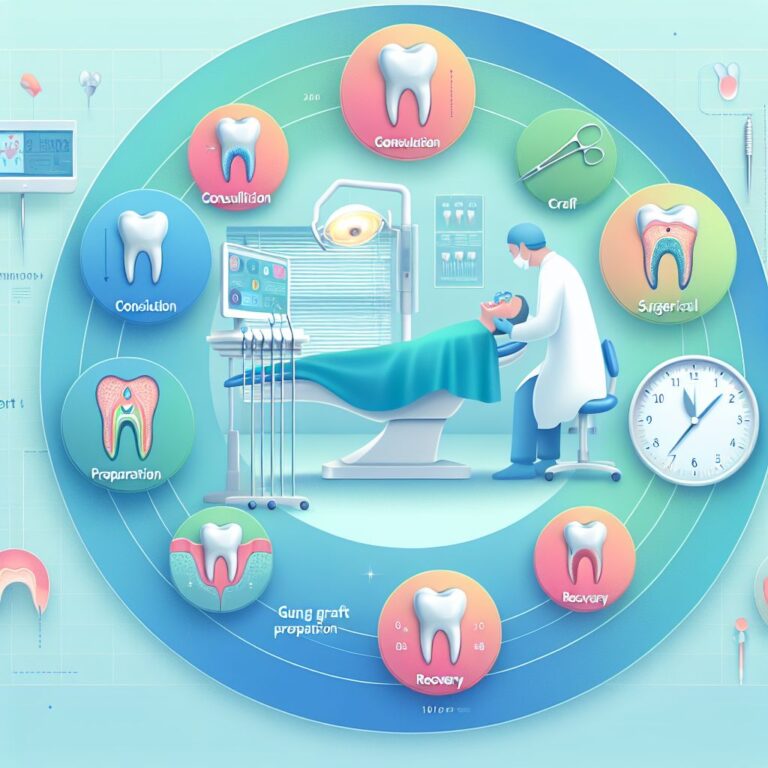
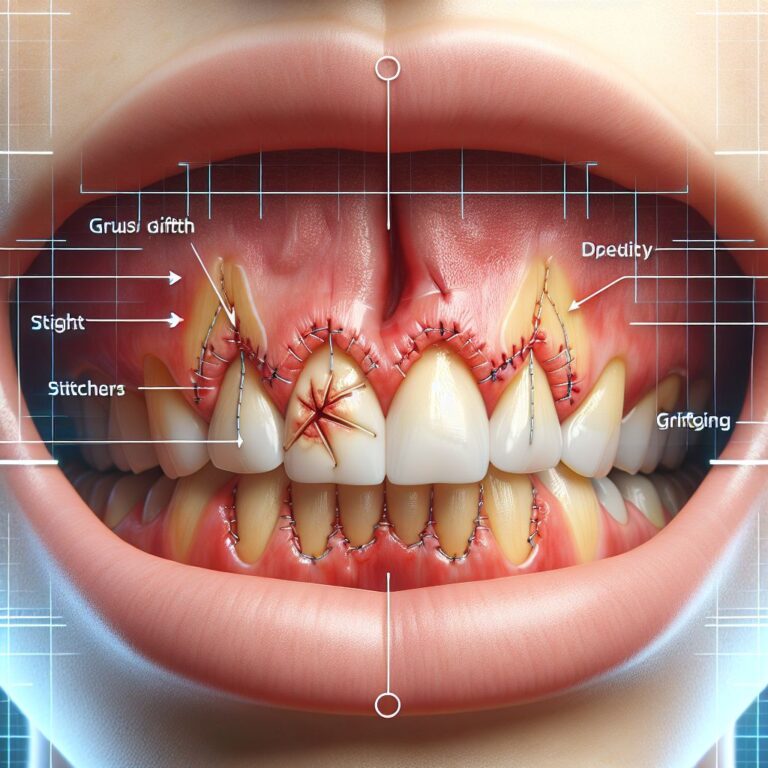
The AlloDerm graft procedure begins with your periodontist carefully cleaning the affected area and preparing the recipient site. Local anesthesia is administered to ensure your comfort throughout the process. The periodontist then measures and shapes the AlloDerm material to precisely fit the area requiring treatment before securing it in place with fine sutures.
Unlike autografts, there’s no second surgical site since no tissue is harvested from your palate. The entire procedure typically takes between 30-90 minutes depending on how many teeth require treatment. Many patients are pleasantly surprised by how straightforward the procedure is, often requiring just a single appointment.
Benefits of Using AlloDerm
The most significant advantage of AlloDerm is eliminating the need for a second surgical site in your mouth. This translates to less post-operative pain, reduced risk of complications, and generally faster recovery times. For patients with thin palatal tissue or those needing extensive grafting, AlloDerm provides a virtually unlimited source of graft material.
Many patients report less anxiety about the procedure knowing they won’t experience the discomfort associated with palatal tissue harvesting. The consistent quality and thickness of AlloDerm also allows your periodontist to achieve predictable results, particularly important for visible areas where aesthetics are a primary concern.
Potential Drawbacks to Consider
Despite its benefits, AlloDerm does have some limitations worth noting. The material generally costs more than using your own tissue, potentially increasing the overall procedure expense. Some research suggests integration rates may be slightly lower than autografts, though this varies by individual and technique used. Additionally, some patients may have personal preferences against using donor tissue, even though the material is extensively processed and has an excellent safety record.
Using Your Own Tissue: The Autograft Approach
Autografts—using tissue harvested from your own body—remain the gold standard in periodontal grafting procedures. This approach utilizes tissue typically taken from the roof of your mouth (palate) and transplants it to the area of recession. The compatibility of your own tissue with your body makes it a highly effective option with excellent long-term outcomes.
Periodontists have refined autograft techniques over decades, making them predictable and reliable for addressing various types of gum recession. While the procedure involves two surgical sites, many dental professionals still prefer this approach for its superior integration and long-term stability.
Where Your Tissue Comes From
In an autograft procedure, the donor tissue is harvested from the palate—the thick, keratinized tissue on the roof of your mouth. This area provides an excellent source of tissue with similar characteristics to healthy gum tissue. Your periodontist carefully removes a small section of this tissue, precisely measured to address your specific needs.
The palate generally heals remarkably well, with most patients experiencing complete recovery within 2-3 weeks. Your periodontist will place a protective covering or stent over the donor site to enhance comfort during healing and protect the area while you eat and speak.
Types of Autograft Procedures
There are several techniques your periodontist might use depending on your specific condition, each with distinct advantages for different clinical situations. The two most common approaches are connective tissue grafts and free gingival grafts, with the choice depending on factors like the location and extent of recession, the amount of attached gingiva present, and aesthetic considerations.
1. Connective Tissue Grafts
Connective tissue grafts are considered the most versatile and commonly used technique for treating root exposure. This procedure involves creating a small flap in the palate and removing connective tissue from beneath the surface. The palatal flap is then sutured closed, leaving minimal exposed tissue at the donor site.
This approach is particularly valuable for treating recession in visible areas where aesthetics are important. The connective tissue provides excellent color and texture matching with surrounding gums. Recovery at the donor site is typically more comfortable than with other techniques since the surface tissue remains intact.
2. Free Gingival Grafts
Free gingival grafts involve taking a layer of tissue directly from the surface of the palate. The periodontist removes a thin strip of tissue and immediately transfers it to the recipient site. This technique is particularly effective when the goal is to increase the amount of attached, keratinized tissue around a tooth rather than just covering an exposed root.
While this approach creates a more exposed donor site on the palate (generally leading to more post-operative discomfort), it excels at creating a substantial band of tough, keratinized tissue. This makes it ideal for areas with minimal attached gingiva or where reinforcement against future recession is the primary goal.
Advantages of Using Your Own Tissue
Autografts offer superior integration rates since your body readily accepts its own tissue without risk of rejection. The biological compatibility translates to highly predictable outcomes and excellent long-term stability. Many studies show that autografts provide the most durable results over time, with less shrinkage or recession relapse.
Additionally, your own tissue often provides better aesthetic matching in terms of color and texture, especially important for grafts in the visible smile zone. For patients concerned about using donor materials, autografts eliminate any worries about biocompatibility or processed tissues.
Downsides You Should Know
The primary disadvantage of autografts is the requirement for a second surgical site, which increases post-operative discomfort and extends recovery time. Patients must manage healing at both the recipient and donor sites, which can be challenging. Other considerations include limited availability of donor tissue (especially for patients needing extensive grafting) and potentially more time in the dental chair during the procedure itself.
Recovery Comparison: What to Expect After Each Procedure
Understanding the recovery process is crucial when deciding between AlloDerm and autograft procedures. The healing experience differs significantly between these two approaches, primarily due to the presence or absence of a donor site on your palate.
AlloDerm Recovery Timeline
When you choose an AlloDerm graft, recovery typically follows a more straightforward path. Since there’s only one surgical site (the recipient area), most patients experience less overall discomfort. Immediately after surgery, you’ll likely have some mild swelling and tenderness at the grafted site, which generally peaks within 24-48 hours.
Most patients can return to normal activities within 1-2 days, though you’ll need to follow specific eating and oral hygiene instructions. The initial healing phase typically lasts 7-10 days, at which point your periodontist will remove any non-dissolvable sutures. Complete integration of the AlloDerm material continues for several weeks, but most patients feel completely normal by the two-week mark.
Autograft Healing Process
Recovering from an autograft procedure involves managing two healing sites simultaneously. The recipient site follows a similar healing timeline to AlloDerm grafts, but the donor site on your palate requires additional attention. Most patients report that the palatal donor site causes more discomfort than the actual grafted area, often describing it as feeling similar to a pizza burn.
You’ll typically need to wear a protective stent or dressing over your palate for 1-2 weeks to protect the donor site while it heals. Most patients can return to normal activities within 2-3 days, though complete healing of the donor site may take 2-3 weeks. The overall recovery period tends to be slightly longer than with AlloDerm procedures, mainly due to the additional healing required at the donor site.
Pain Management Differences
Pain management approaches differ between the two procedures. With AlloDerm grafts, over-the-counter pain medications are often sufficient to manage discomfort. Your periodontist may prescribe stronger medication for the first few days, but most patients transition to non-prescription options quickly.
For autografts, your doctor may be more likely to prescribe stronger pain medication for the first 3-5 days to address the additional discomfort from the palatal donor site. Cold compresses, specialized mouthwashes, and avoiding certain foods also play important roles in managing discomfort regardless of which procedure you choose.
Diet and Oral Care During Healing
Dietary restrictions are similar for both procedures, though they may last longer with autografts. Initially, you’ll need to stick to soft, cool foods like yogurt, smoothies, eggs, pasta, and well-cooked vegetables. It’s crucial to avoid anything spicy, acidic, crunchy, or that requires significant chewing for at least the first week.
Oral hygiene requires special attention during recovery. Your periodontist will provide specific instructions, but generally, you’ll need to avoid brushing the grafted area directly for 1-2 weeks. Instead, you’ll use antimicrobial rinses to keep the area clean without disturbing the healing tissue. With autografts, you’ll also need to follow special cleaning protocols for the palatal donor site.
Success Rates and Long-Term Results
When evaluating gum graft options, understanding the long-term outcomes is essential for making an informed decision that will serve your oral health for years to come.
Integration Rates of Both Materials
Research consistently shows that autografts have slightly higher success and integration rates compared to AlloDerm. Studies indicate that autografts typically achieve 85-95% success rates, while AlloDerm procedures show success rates around 75-90%. This difference is attributed to the biological compatibility of your own tissue, which naturally contains living cells that readily integrate with the surrounding tissue.
However, it’s important to note that the skill and experience of your periodontist significantly impact these success rates. At practices specializing in periodontal procedures, like Colorado Gum Care, the success rates for both techniques tend to be at the higher end of these ranges due to specialized training and experience.
Tissue Stability Over Time
Long-term stability is another important consideration. Autografts generally show less shrinkage over time compared to AlloDerm grafts. While initial coverage may appear similar, studies tracking patients for 5+ years have found that autografts maintain approximately 80-90% of their initial coverage, while AlloDerm grafts typically maintain 70-85%.
This difference becomes particularly important for patients with significant recession or those at high risk for future recession. For these cases, the superior long-term stability of autografts might outweigh the short-term recovery advantages of AlloDerm.
Aesthetic Outcomes Compared
When it comes to appearance, both options can provide excellent aesthetic results, but there are subtle differences. Autografts often provide superior color and texture matching, especially important for grafts in the visible smile zone. Your own tissue naturally blends with surrounding gum tissue, creating a seamless appearance once fully healed.
AlloDerm grafts can also achieve excellent aesthetic outcomes, particularly in patients with good healing capacity. The material takes on the characteristics of surrounding tissue as your own cells populate the matrix. However, in some cases, there may be slight variations in color or texture compared to autografts, though these differences are often minimal and noticeable only to dental professionals.
Cost Factors That Influence Your Decision
Financial considerations inevitably play a role in treatment decisions, and understanding the cost implications of each option can help you plan accordingly.
Average Price Ranges
Gum grafting procedures vary significantly in cost depending on the number of teeth being treated, the severity of recession, geographic location, and the specific technique used. Generally, AlloDerm procedures tend to cost more than autografts due to the expense of the processed donor material. For a single tooth, AlloDerm grafts typically range from $700-1,200, while autografts might cost $600-1,000.
When multiple teeth require treatment, periodontists often offer package pricing that reduces the per-tooth cost. Treating 3-4 adjacent teeth might range from $2,000-3,500 for AlloDerm and $1,800-3,000 for autografts. Keep in mind that these figures represent national averages, and costs may be higher or lower in your specific region.
Insurance Coverage Considerations
Dental insurance coverage for gum grafting varies widely between providers and plans. Many dental insurance plans cover gum grafting procedures at 50-80% when deemed medically necessary to treat disease or prevent tooth loss. However, coverage might be limited or denied when the procedure is considered primarily cosmetic in nature.
Some insurance providers may cover autografts but have different policies regarding AlloDerm, considering it an optional material upgrade. It’s essential to verify your specific coverage before proceeding with treatment. Many periodontal practices, including Colorado Gum Care, offer insurance verification services to help patients maximize their benefits.
Value Analysis: Is the Higher Cost Worth It?
When evaluating the value proposition of AlloDerm versus autografts, consider not just the upfront cost but the overall experience, recovery time, and long-term outcomes. For patients with limited palatal tissue, those needing extensive grafting, or individuals particularly concerned about post-operative discomfort, the additional cost of AlloDerm often represents good value despite the higher price tag.
How to Decide Which Option Is Right for You
The decision between AlloDerm and autograft isn’t one-size-fits-all. Your choice should be informed by a thorough understanding of your specific clinical situation, personal preferences, and lifestyle factors. A comprehensive consultation with a periodontal specialist provides the foundation for making this important decision.
Medical Factors Your Dentist Will Consider
Your periodontist will evaluate several clinical factors to recommend the most appropriate option. These include the extent and location of your recession, the thickness of your existing gum tissue, the amount of keratinized tissue present, root exposure, and the condition of your palatal tissue as a potential donor site. If you have multiple areas needing treatment or limited palatal tissue available, AlloDerm might be recommended due to its unlimited availability.
Personal Preferences That Matter
Beyond the clinical considerations, your personal preferences play an important role in this decision. Your comfort level with donor material versus your own tissue, tolerance for post-operative discomfort, work and social obligations during recovery, and budget constraints all factor into the equation. Some patients prioritize the shorter, more comfortable recovery of AlloDerm, while others prefer the slightly higher success rates and better long-term stability of autografts.
Questions to Ask During Your Consultation
When discussing options with your periodontist, asking the right questions helps ensure you’re making a fully informed decision. Consider asking about their experience with both procedures, their personal success rates, which option they would recommend specifically for your situation and why, what complications they’ve encountered with each approach, and what the typical recovery looks like for their patients. Don’t hesitate to request before-and-after photos of similar cases they’ve treated with both techniques.
Frequently Asked Questions
Patients considering gum grafting often share common questions about the procedures, recovery, and outcomes. Here are answers to the questions we hear most frequently at our practice.
How Long Do Gum Grafts Last?
When performed properly and with good home care, both AlloDerm and autograft procedures provide long-lasting results. Most patients can expect their grafts to last 10+ years, with many lasting a lifetime. The longevity depends significantly on addressing the underlying causes of your recession, maintaining excellent oral hygiene, and attending regular dental check-ups.
If you had recession due to aggressive brushing, using proper technique with a soft-bristled brush is essential for maintaining your results. Similarly, if periodontal disease contributed to your recession, ongoing periodontal maintenance becomes crucial for long-term success.
Is One Type of Graft Less Painful Than the Other?
AlloDerm grafts are generally associated with less post-operative discomfort since they don’t require harvesting tissue from your palate. Most patients report that the palatal donor site in autograft procedures causes more discomfort than the actual grafted area. However, experiences vary significantly between individuals, and advances in surgical techniques have reduced discomfort with both approaches.
Your periodontist can recommend appropriate pain management strategies for either procedure. Many patients find that over-the-counter pain medications are sufficient, particularly with AlloDerm grafts, while prescription pain medication might be more commonly needed for the first few days after autograft procedures.
Can I Eat Normally After a Gum Graft?
You’ll need to modify your diet temporarily after either procedure. For the first 1-2 weeks, stick to soft foods that don’t require significant chewing and avoid anything spicy, acidic, or very hot in temperature. Foods like yogurt, smoothies, eggs, pasta, well-cooked vegetables, and protein shakes are excellent choices during this period.
With autografts, you’ll need to be particularly careful to avoid foods that might irritate the palatal donor site. After the initial healing period (approximately 2 weeks), you can gradually reintroduce normal foods as comfort allows. For more information on dental procedures, visit our services page.
Most patients can return to their normal diet within 3-4 weeks, though you might be advised to continue avoiding particularly hard or crunchy foods for a bit longer, especially near the grafted site.
Will My Insurance Cover Either Procedure?
Many dental insurance plans provide partial coverage for gum grafting when it’s deemed medically necessary to treat disease or prevent tooth loss. Coverage typically ranges from 50-80% of the procedure cost, though this varies widely between providers and specific plans. Some insurance companies may cover autografts but consider AlloDerm an optional upgrade, potentially resulting in different coverage levels for each approach.
Can Gum Grafting Fail and What Happens Then?
While gum grafting has high success rates, failures can occur with both AlloDerm and autograft procedures. Signs of potential failure include significant graft shrinkage, continued or worsening recession, persistent inflammation, or infection. Failure rates are slightly higher with AlloDerm (approximately 10-15%) compared to autografts (5-10%), though these rates vary based on individual factors and surgical technique.
If a graft doesn’t achieve the desired results, your periodontist will evaluate the cause of the failure and may recommend retreatment after allowing sufficient healing time. In some cases, switching from AlloDerm to an autograft (or vice versa) might be recommended for the second attempt.
Most failures can be successfully addressed with appropriate adjustments to the surgical approach or by addressing underlying factors that may have contributed to the initial failure, such as smoking, poor oral hygiene, or uncontrolled grinding/clenching.
Proper post-operative care significantly reduces the risk of graft failure. Following your periodontist’s instructions regarding oral hygiene, diet, and activity restrictions is essential for ensuring the best possible outcome.
At Colorado Gum Care, we’re committed to helping you navigate your gum grafting options and achieve optimal results for your long-term oral health. Contact us today to schedule a consultation and learn which approach might work best for your specific situation.