
Key Takeaways
- In most cases, dental professionals recommend completing Invisalign treatment before undergoing gum grafts to ensure optimal gum positioning after teeth have been properly aligned.
- Severe gum recession requiring immediate intervention is one of the few scenarios where gum grafts should precede orthodontic treatment.
- The relationship between tooth movement and gum health is complex – orthodontic treatment can both help and potentially worsen recession depending on the specific case.
- Colorado Gum Care specialists can provide personalized treatment sequencing recommendations based on your unique oral health situation.
- A collaborative approach between your periodontist and orthodontist is essential for achieving the best aesthetic and functional outcomes when both procedures are needed.
When you’re facing both gum recession and crooked teeth, the question of which treatment to pursue first becomes critical to your long-term oral health. The sequencing decision between gum grafts and Invisalign isn’t one-size-fits-all – it requires careful consideration of your specific dental condition. At Colorado Gum Care, we regularly work with patients navigating this exact treatment timing dilemma, helping them create personalized care plans that optimize both procedures’ effectiveness.
Determining the ideal treatment sequence depends on several factors including the severity of your gum recession, the extent of tooth misalignment, and your overall periodontal health. While there are exceptions to every rule, understanding the reasoning behind typical treatment recommendations can help you make informed decisions about your dental care journey.
Article-at-a-Glance
Deciding whether to address gum recession or tooth alignment first can significantly impact your treatment outcomes. This article explores the factors dental professionals consider when recommending treatment sequencing, highlighting the advantages and disadvantages of each approach. We’ll examine when Invisalign should precede gum grafting, situations where grafting might need to come first, and how these treatments interact with each other.
Understanding the relationship between tooth position and gum health is essential for anyone considering these treatments. Orthodontic movement can dramatically change how your gums lie against your teeth, potentially resolving minor recession in some areas while creating new concerns in others. This interplay makes the sequencing decision particularly important.
Your total treatment timeline, financial considerations, and recovery periods all factor into creating the optimal treatment plan. By working with dental professionals who collaborate effectively, you can navigate this complex decision-making process with confidence.
Patient Perspective: “I was shocked when my dentist suggested I needed both gum grafts and Invisalign. I assumed I’d need to do the grafts first, but after consulting with specialists, I learned that completing my Invisalign treatment first would actually reduce the extent of grafting needed and give me better results in the end.” – Actual Colorado Gum Care patient
The Timing Dilemma: Gum Grafts and Invisalign
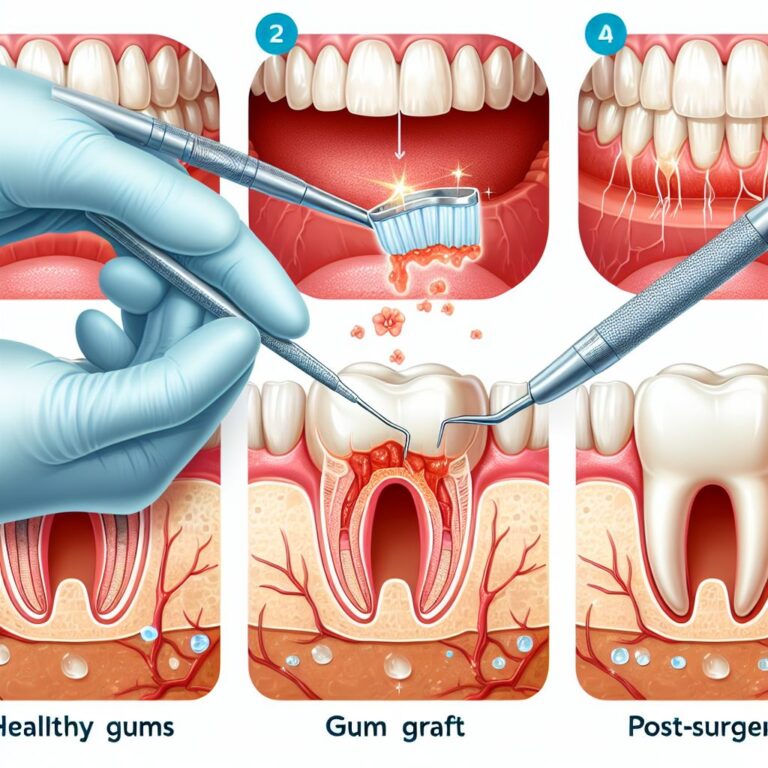
The question of timing between gum grafts and Invisalign represents one of the most common treatment planning challenges in contemporary dentistry. Both procedures address different aspects of your oral health, yet they significantly influence each other. Gum grafts repair recession and strengthen the periodontal foundation, while Invisalign aligners methodically reposition teeth to improve function and aesthetics.
The dilemma arises because tooth movement can alter gum position, potentially creating new areas of recession or resolving existing ones. Additionally, gum grafting modifies the soft tissue profile around teeth, which might then be disrupted by subsequent orthodontic movement. This interdependence means that performing one procedure before the other can dramatically impact your overall treatment outcome.
Finding the right sequence requires a comprehensive evaluation of your specific case by dental professionals experienced in both periodontics and orthodontics. Factors like the extent of recession, bone loss, tooth positioning, aesthetic concerns, functional issues, and your overall health history all play crucial roles in this decision-making process.
Why Most Dentists Recommend Invisalign Before Gum Grafts
In the majority of cases, dental professionals recommend completing orthodontic treatment with Invisalign before proceeding with gum grafting procedures. This sequencing provides several distinct advantages that can improve your treatment outcomes and potentially reduce the extent of surgical intervention needed. The primary reason is that tooth movement significantly influences gum position, making final gum contours more predictable once teeth have reached their final positions.
How Tooth Movement Affects Gum Position
Orthodontic tooth movement doesn’t just straighten your teeth – it fundamentally changes their relationship with surrounding gum tissues. When teeth are crowded or misaligned, they often create unnatural pressure points on the gums, leading to recession in some areas while causing tissue bunching in others. As Invisalign gradually shifts teeth into proper alignment, these pressure points resolve, allowing gum tissues to naturally assume healthier positions.
Predictability Factors After Teeth Are Straightened
Once your teeth have been properly aligned through Invisalign treatment, your periodontist gains a tremendous advantage: they can see exactly where gum grafting is still needed. In many cases, what initially appeared to be significant recession requiring extensive grafting may improve naturally once teeth are properly positioned. This improved predictability means your surgeon can precisely target the specific areas that truly need intervention rather than performing more extensive grafting that might later be compromised by tooth movement.
Additionally, completing orthodontic treatment first allows your periodontist to evaluate the stability of your new tooth positions before performing delicate soft tissue procedures. This ensures that the grafts will have the best chance of long-term success, as they won’t be disrupted by subsequent tooth movement.
Avoiding Repeat Grafting Procedures
Perhaps the most compelling reason to complete Invisalign before gum grafts is to avoid the need for repeated grafting procedures. Gum grafts performed before orthodontic treatment may be disrupted as teeth move, potentially compromising their results or creating new areas of recession that would require additional surgery. By waiting until teeth are in their final positions, you maximize the likelihood of needing only one grafting procedure, reducing overall treatment time, expense, and recovery periods.
When Gum Grafts Should Come First
While the standard recommendation favors completing Invisalign before gum grafts, there are important exceptions where addressing gum recession first becomes the priority. These situations typically involve immediate health concerns that shouldn’t wait for the completion of orthodontic treatment, which can take 12-18 months or longer.
Severe Recession Cases Requiring Immediate Intervention
When gum recession has progressed to expose tooth roots significantly, waiting to address the condition can lead to serious complications. Exposed roots are not only extremely sensitive to temperature changes and touch, but they’re also more susceptible to decay since root surfaces lack the protective enamel coating found on tooth crowns. In cases where recession has progressed to Miller Class III or IV levels (significant tissue and bone loss), immediate grafting becomes necessary to prevent further deterioration. For more information on gum care services, visit Colorado Gum Care.
Additionally, when recession threatens the long-term viability of a tooth or creates significant aesthetic concerns in highly visible areas, your periodontist may recommend addressing these issues before beginning orthodontic treatment. Protecting the foundation of your teeth becomes the priority in these scenarios, as even the gentlest orthodontic forces could potentially worsen already severe recession.
Tooth Stability Concerns
Severe gum recession often accompanies bone loss around affected teeth, which can compromise their stability. Orthodontic movement requires a stable foundation to be effective and safe. When teeth lack adequate bone and gum support, attempting to move them with Invisalign or any orthodontic appliance can lead to increased mobility, further bone loss, or even tooth loss in extreme cases.
Your periodontist may recommend gum grafting first in these situations to stabilize the teeth before applying orthodontic forces. The grafting procedure not only addresses the gum tissue deficiency but often stimulates some bone regeneration, creating a healthier foundation for subsequent tooth movement. This approach ensures that when orthodontic treatment begins, your teeth have the structural support necessary to respond properly to treatment.
Active Periodontal Disease Considerations
Active periodontal disease presents an absolute contraindication to orthodontic treatment. The inflammation and infection associated with gum disease can be exacerbated by orthodontic forces, potentially accelerating tissue and bone loss. In cases where both gum disease and recession are present, your dentist will first address the infection through appropriate periodontal therapy, which may include deep cleaning, antibiotic treatment, and possibly gum grafting to restore tissue health.
Only after achieving periodontal stability – usually confirmed through follow-up evaluations showing reduced pocket depths, minimal bleeding, and controlled inflammation – would orthodontic treatment be considered safe to begin. This sequence ensures that your mouth is healthy enough to undergo the stress of tooth movement without risking further periodontal damage.
The Treatment Timeline: What to Expect
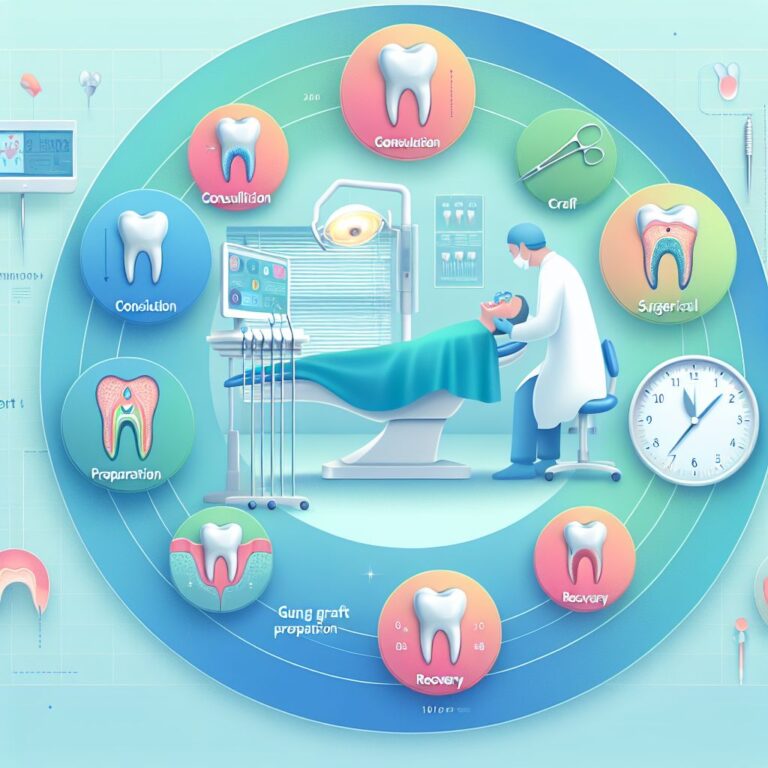
Understanding the typical timeline for both gum grafting and Invisalign treatment helps you plan accordingly for what can be a significant investment of time. While individual healing and treatment response varies widely, knowing the general timeframes allows you to set realistic expectations and prepare for the commitment required. Remember that the total duration will depend on whether treatments are performed sequentially or with some overlap, based on your specific clinical needs.
Healing Period After Gum Grafting
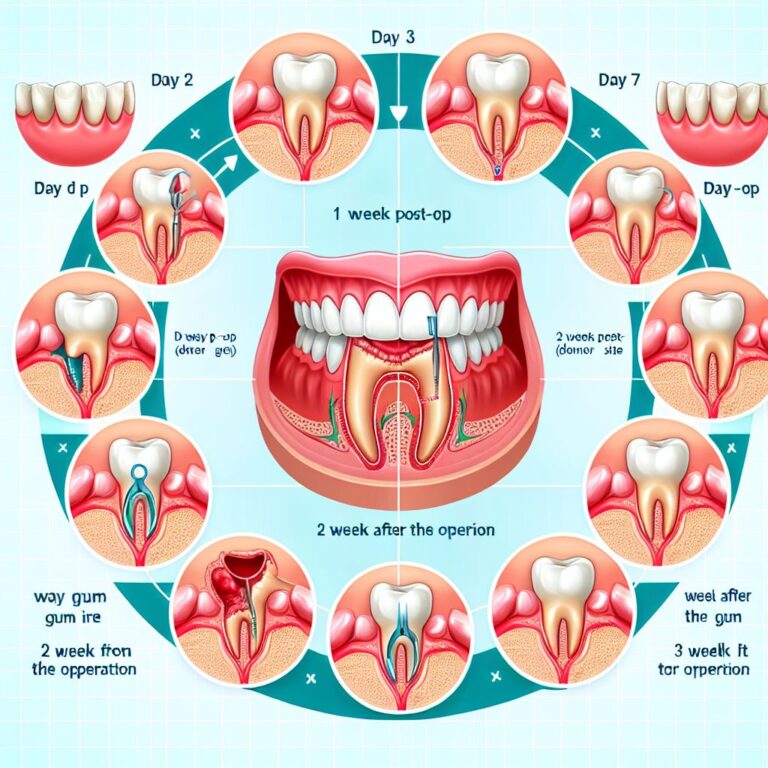
The initial recovery period after gum graft surgery typically ranges from 1-2 weeks, during which you’ll need to follow specific post-operative instructions to protect the grafted tissue. Complete healing of the graft site, however, takes considerably longer. Soft tissue integration occurs over 4-8 weeks, while complete maturation of the grafted tissue can take 3-6 months. During this time, the grafted tissue gradually bonds with your existing gum tissue and develops its own blood supply.
Invisalign Treatment Duration
Invisalign treatment duration varies significantly based on the complexity of your case, typically ranging from 6 months for simple corrections to 24 months or longer for complex cases. The average treatment time for most adult patients falls between 12-18 months. This timeline assumes consistent wear of aligners for 20-22 hours daily and changing to new aligners as prescribed, usually every 1-2 weeks. Your compliance with the recommended wear schedule dramatically impacts treatment duration.
Total Treatment Time for Both Procedures
When considering both procedures, your total treatment time will depend on the sequence recommended for your specific case. If Invisalign comes first (the most common approach), you’ll typically complete the full orthodontic treatment before undergoing gum grafting, resulting in a total timeline of approximately 18-24 months before both treatments are complete. For cases where grafting precedes orthodontics, you’ll need to allow for the 3-6 month healing period before beginning Invisalign, potentially extending the total treatment time to 24-30 months.
It’s important to note that some cases may allow for partial overlap in treatments. For instance, if only certain areas require grafting that won’t be affected by planned tooth movement, your periodontist and orthodontist might coordinate to perform these procedures during your Invisalign treatment, potentially reducing your overall treatment timeline.
How Gum Recession and Invisalign Are Connected
The relationship between orthodontic treatment and gum health represents one of the most important considerations when planning your treatment sequence. Understanding how these two aspects of dental health influence each other can help you appreciate why careful planning between your dental professionals is so crucial. The connection works both ways – existing recession can impact orthodontic outcomes, while tooth movement can both improve and potentially worsen gum conditions.
Can Invisalign Cause Gum Recession?
While Invisalign is generally gentler on gum tissues than traditional braces, any orthodontic movement has the potential to influence gum recession. The risk factors include the direction and extent of tooth movement, pre-existing thin gum tissue (thin biotype), and the presence of inflammation. When teeth are moved outside the biological boundaries of the supporting bone, recession can occur as the gum tissue follows the tooth but lacks adequate bone support underneath.
However, it’s important to note that modern orthodontic planning with Invisalign typically incorporates a thorough evaluation of these risk factors. Your provider should assess your gum biotype and bone architecture before treatment to minimize recession risks. In many cases, proper orthodontic movement actually improves gum health by relieving crowding that previously created cleaning difficulties and inflammation.
How Orthodontic Movement Impacts Existing Recession
When you already have gum recession, orthodontic movement requires particularly careful planning. Tooth movement can either improve or worsen existing recession depending on the direction of movement. Moving teeth lingually (toward the tongue) often improves recession by bringing the tooth root back under better tissue coverage. Conversely, labial movement (toward the lips) can exacerbate recession by pushing tooth roots against the thin outer bone plate.
Your orthodontist should perform a thorough risk assessment before beginning Invisalign if you have existing recession. In some cases, they may recommend modified movement paths or reduced forces in areas of concern. This personalized approach helps minimize the risk of worsening recession while still achieving the desired alignment improvements.
Finding the Right Dental Team for Your Treatment Plan
The complexity of coordinating gum grafts and Invisalign treatment highlights the importance of working with dental professionals who collaborate effectively. The best outcomes typically result from a team approach where your general dentist, periodontist, and orthodontist communicate regularly about your treatment progress and make adjustments as needed. This coordination ensures that each specialist understands how their portion of treatment affects the overall plan.
Why Specialist Collaboration Matters
The interplay between gum health and tooth position requires expertise from multiple dental specialties. Periodontists specialize in gum health and grafting procedures, while orthodontists focus on tooth movement and alignment. When these specialists work together, they create treatment plans that leverage their combined expertise to deliver optimal results. The periodontist can advise on how planned tooth movements might affect gum health, while the orthodontist can modify treatment to accommodate periodontal concerns.
Additionally, collaborative care typically includes regular joint evaluations during your treatment journey. These checkpoints allow your providers to assess progress and make any necessary adjustments to ensure both aspects of your treatment remain on track. This ongoing communication helps prevent complications and ensures that decisions made by one specialist support rather than undermine the work of the other.
Questions to Ask Your Dental Professionals
When consulting with dental professionals about combining gum grafts and Invisalign treatment, asking the right questions helps ensure you understand the recommended approach. Start by asking about their experience with similar cases and how frequently they collaborate with other specialists. Request specific examples of how they’ve coordinated care for patients with both orthodontic and periodontal needs, including before and after documentation if available.
Inquire about their recommended sequence for your specific case and the reasoning behind it. Ask about potential risks or complications that might arise from your particular condition, and how they would address these issues if they occur. Finally, discuss communication protocols – how will your providers share information with each other, and how will you be kept informed about your treatment progress? Clear answers to these questions indicate providers who are accustomed to collaborative care approaches.
Making Your Decision: Key Factors to Consider
Ultimately, the decision about treatment sequencing should be guided by your specific clinical needs, but several practical factors also warrant consideration. Treatment costs represent a significant concern for many patients, as both procedures involve substantial investment. Some insurance plans limit annual coverage for specialized procedures, making it financially advantageous to space treatments across different benefit years.
Your personal timeline and availability for treatment and recovery periods should factor into your decision. If you have important upcoming events or travel plans, you might need to schedule procedures accordingly. The potential need for temporary aesthetic solutions during treatment should also be discussed, particularly if you’re concerned about appearance during the process. For more information on treatment options, visit our services page.
Finally, consider your commitment level to the entire treatment plan. Both procedures require dedication to follow-up care and maintenance. Ensuring you’re prepared for the full journey before beginning either treatment improves your chances of achieving optimal results.
Decision Factors Checklist:
- Severity of gum recession and associated symptoms
- Complexity of orthodontic issues
- Bone support and periodontal health
- Financial considerations and insurance coverage
- Time commitment and lifestyle factors
- Aesthetic concerns during treatment
- Long-term maintenance requirements
Frequently Asked Questions
Throughout consultations with patients considering both gum grafts and Invisalign, certain questions arise consistently. These frequently asked questions address common concerns about combining these treatments and help clarify expectations for patients embarking on this comprehensive dental journey.
Understanding these common concerns can help you prepare for your own treatment discussions and make informed decisions about your care plan. While your specific situation may present unique considerations, these general guidelines provide a foundation for those initial conversations with your dental team.
How long do I need to wait between gum grafting and starting Invisalign?
If you undergo gum grafting before starting Invisalign, you’ll typically need to wait until the grafts have fully healed and matured before beginning orthodontic treatment. This healing period generally ranges from 3-6 months, depending on the extent of grafting performed and your individual healing response. Your periodontist will monitor your healing progress through follow-up appointments and give clearance when the tissues have stabilized sufficiently to withstand orthodontic forces.
For patients completing Invisalign before gum grafting, there’s usually no waiting period required after your final aligner. Once your orthodontist confirms that your teeth have reached their planned positions and any refinements are complete, you can proceed with grafting as recommended by your periodontist. Some patients even coordinate their final orthodontic appointment and initial grafting consultation to occur in close succession, streamlining the transition between treatments.
In cases where a phased approach is used—addressing certain areas with grafting before or during Invisalign treatment—your dental team will create a customized timeline that coordinates these interventions appropriately. This approach requires particularly close communication between your providers to ensure optimal timing of each procedure. For more details on the procedures, you can explore the services offered by dental professionals.
Typical Waiting Periods:
- After gum grafting, before starting Invisalign: 3-6 months
- After Invisalign completion, before gum grafting: Minimal to none
- Between multiple grafting procedures (if needed): 3-4 months minimum
Will my insurance cover both procedures in the same year?
Insurance coverage for both gum grafting and Invisalign within the same benefit year varies significantly depending on your specific plan. Most dental insurance policies have annual maximums ranging from $1,000 to $2,000, which may be insufficient to cover both procedures fully. Additionally, many plans categorize orthodontic treatment differently from periodontal procedures, with separate lifetime orthodontic benefits that might have different coverage limitations.
Some insurance plans also impose waiting periods for certain procedures or require demonstration of medical necessity rather than covering treatments deemed cosmetic. Gum grafting often receives better coverage when documented as necessary to address recession causing sensitivity, root exposure, or progressive bone loss. Invisalign coverage typically depends on whether your plan includes adult orthodontic benefits and may be subject to lifetime maximums rather than annual limits.
To maximize your benefits, consider scheduling a benefits verification with both your periodontist and orthodontist offices. They can help determine your specific coverage and may suggest strategic timing that spreads treatment costs across multiple benefit years. Some dental offices also offer financing options or in-house membership plans that can help manage out-of-pocket expenses not covered by insurance.
Are there alternatives to traditional gum grafting if I need Invisalign?
Several alternative approaches to traditional connective tissue grafting exist that may be suitable depending on your specific condition. The Pinhole Surgical Technique represents a minimally invasive option for treating gum recession that involves no cutting, sutures, or donor tissue harvesting. Instead, the procedure uses specialized instruments to gently loosen gum tissue and reposition it to cover exposed roots. This technique typically involves less discomfort and faster recovery than traditional grafting, potentially allowing for earlier start of orthodontic treatment if sequencing requires addressing recession first.
For patients with thin gum tissue at risk of developing recession during Invisalign treatment, preventive approaches may be recommended. These include gum augmentation procedures using alternatives like acellular dermal matrix products, which can thicken gum tissues without requiring harvest from the palate. Your periodontist may also recommend specialized home care protocols, including particular brushing techniques and products designed to strengthen gum tissues during orthodontic treatment.
Can I get partial Invisalign treatment before addressing my gum recession?
In some cases, a phased orthodontic approach can be appropriate when dealing with concurrent gum recession. This might involve initial alignment of teeth not affected by recession, followed by periodontal intervention, and then completion of the remaining orthodontic movements. This approach requires careful planning to ensure that preliminary tooth movements don’t negatively impact areas with existing recession or create new recession in vulnerable areas.
Your orthodontist can design a limited initial phase of treatment targeting specific alignment issues while avoiding movements that might exacerbate recession. This approach might be particularly suitable if you have crowding or alignment issues in areas without recession that can be addressed safely while preparing for subsequent grafting in other areas. The key to success with this approach is detailed communication between your orthodontist and periodontist regarding which teeth can be moved safely in the initial phase.
After completing the first phase of alignment and addressing recession through appropriate grafting procedures, your orthodontist can then design a second phase of treatment to complete the remaining tooth movements. This phased approach may extend your overall treatment timeline but can provide advantages in certain complex cases where standard sequencing isn’t ideal.
Candidacy for Phased Treatment: Phased treatment works best when recession and orthodontic needs affect different areas of the mouth or when certain movements can be performed without impacting vulnerable gum tissues. Your dental team will evaluate factors like recession location, planned tooth movements, and tissue biotype to determine if this approach is suitable for your specific case.
Each patient’s situation requires individualized assessment to determine the best approach. What works perfectly for one person might not be appropriate for another, even with seemingly similar conditions. This highlights why consultation with experienced specialists who regularly coordinate care is so valuable when planning complex treatment involving both gum health and orthodontics.
What happens if I only complete one treatment and not the other?
Completing only one portion of a recommended treatment plan involving both gum grafts and Invisalign can lead to suboptimal results and potentially create new problems. If you complete Invisalign but skip recommended gum grafting, you may continue to experience symptoms like temperature sensitivity and aesthetic concerns from recession. More importantly, the exposed roots remain vulnerable to accelerated wear, decay, and progressive recession that could eventually threaten tooth stability, potentially undermining the benefits gained from orthodontic treatment.
Conversely, if you undergo gum grafting but don’t proceed with recommended Invisalign treatment, the underlying alignment issues that may have contributed to the recession could remain unaddressed. This scenario might lead to continued functional problems like improper bite forces or cleaning difficulties. Additionally, the grafted tissues might be subject to the same mechanical stresses that contributed to the original recession, potentially leading to recurrence over time if the underlying alignment issues aren’t corrected.
In cases where both treatments were recommended as part of a comprehensive plan, completing only one component typically delivers incomplete results. While financial constraints or other life circumstances sometimes necessitate prioritizing one treatment over another, it’s important to discuss with your dental team how this decision might affect your long-term oral health and what monitoring or preventive measures might be needed if you can’t complete the full recommended plan.
At Colorado Gum Care, we understand that navigating complex dental treatment decisions can be challenging. Our team works closely with trusted orthodontic partners to create coordinated treatment plans that address both your periodontal and alignment needs in the optimal sequence. Contact us today for a personalized consultation to determine the best approach for your unique situation.