
Key Takeaways
- The average cost of a single dental implant in Colorado ranges from $3,000 to $6,000, which includes the implant post, abutment, and crown.
- Full mouth restoration using dental implants in Colorado typically costs between $24,000 and $50,000, depending on the number of implants needed.
- Colorado Gum Care offers specialized implant procedures with experienced periodontists who can help determine if dental implants are right for you.
- Additional procedures like bone grafting ($600-$2,500) and sinus lifts ($1,500-$3,000) can significantly increase the total cost of dental implant treatment.
- Dental insurance coverage for implants in Colorado is limited, but financing options, payment plans, and dental schools can make treatment more affordable.
Dental implants have revolutionized tooth replacement, offering a permanent solution that looks, feels, and functions like natural teeth. If you’re considering this life-changing procedure in Colorado, understanding the costs involved is crucial for planning your dental health investment.
Colorado’s dental implant prices reflect the high-quality care available in the state, though costs can vary significantly depending on where you live and which specialists you choose. Colorado Gum Care offers comprehensive implant services with a focus on long-lasting results and patient comfort throughout the entire process.
At-a-Glance: Colorado Dental Implant Costs
When researching dental implants in Colorado, you’ll quickly discover that prices vary based on several factors including location, provider expertise, materials used, and the complexity of your case. Most patients want a simple breakdown of what to expect financially before diving into the details.
What Dental Implants Really Cost in Colorado
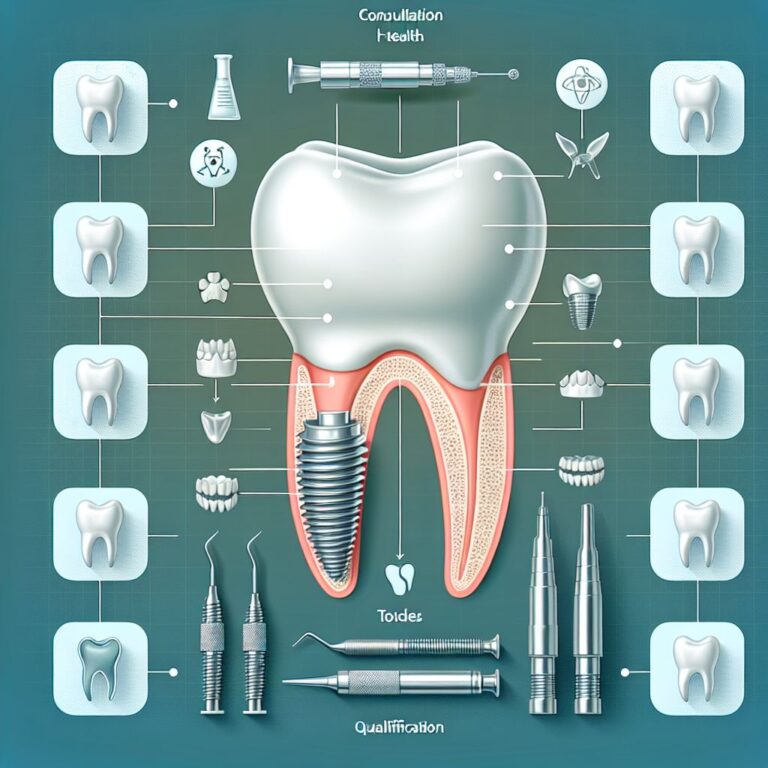
The total investment for dental implants in Colorado includes not just the visible tooth replacement, but a complete system designed to provide decades of functional use. This system consists of the titanium implant post (the artificial root), an abutment (the connector), and the crown (the visible tooth portion). Each component contributes to both the overall cost and the remarkable durability of dental implants.
Average Price Range: $3,000-$6,000 Per Tooth
For a single tooth implant in Colorado, you can expect to pay between $3,000 and $6,000 on average. This range includes the surgical placement of the implant post, the abutment connection, and a custom-crafted crown. The wide price range reflects differences in implant brands, materials used for the crown (porcelain or zirconia typically cost more than metal options), and the complexity of your individual case.
Many practices in major Colorado cities like Denver, Boulder, and Colorado Springs tend to charge on the higher end of this spectrum, while more rural areas might offer somewhat lower pricing. However, the quality of materials and expertise of your provider should be the primary consideration rather than just finding the lowest price.
Full Mouth Restoration Costs: $24,000-$50,000
For patients needing full mouth rehabilitation, the total investment increases substantially. Traditional full mouth restorations using individual implants for each missing tooth can range from $40,000 to $50,000 or more. However, innovative solutions like All-on-4® or Teeth-in-a-Day techniques, which use four to six strategically placed implants to support an entire arch of teeth, typically cost between $24,000 and $35,000 per arch in Colorado.
These full arch solutions offer significant value despite their substantial upfront cost. They eliminate the need for removable dentures and provide a permanent solution that prevents bone loss while restoring full chewing function and natural aesthetics.
How Colorado Prices Compare to National Averages
Colorado’s dental implant costs typically align with or slightly exceed the national average. While coastal cities like New York and Los Angeles generally have higher dental fees, Colorado’s growing population and high standard of living contribute to slightly elevated costs compared to neighboring states like Wyoming or Nebraska.
The premium pricing in Colorado often reflects the high level of expertise available in the state, access to cutting-edge technology, and the overall higher cost of business operation. Many Colorado implant specialists maintain ongoing advanced education and invest in state-of-the-art equipment that ultimately benefits patient outcomes.
Breaking Down the Full Dental Implant Price
Typical Dental Implant Cost Breakdown in Colorado
Implant Post (titanium root): $1,500-$2,500
Abutment (connector): $300-$500
Crown (visible tooth): $1,000-$3,000
Preliminary Procedures: Varies by patient
Follow-up Care: Often included in package pricing
Understanding exactly what you’re paying for helps make the investment more transparent. The comprehensive nature of implant treatment means you’re not just paying for a product, but for a sophisticated medical procedure requiring specialized training, precision technology, and customized components.
The Implant Post: $1,500-$2,500
The implant post serves as the artificial tooth root and forms the foundation of the entire restoration. Made from biocompatible titanium or titanium alloy, this small but crucial component requires precise surgical placement into your jawbone. The cost reflects not just the material, but the surgical expertise required for proper positioning, which directly impacts the long-term success of your implant.
Implant brands vary in price and features, with premium options like Nobel Biocare, Straumann, or Zimmer often commanding higher prices due to their extensive research, quality control, and documented success rates. These higher-end implants may offer advantages like special surface treatments that promote faster osseointegration (the process where bone fuses to the implant).
Abutment Costs: $300-$500
The abutment connects your implant post to the visible crown, serving as a crucial interface between these components. Though smaller and less expensive than other parts, the abutment must be precisely crafted to ensure proper fit and alignment. Some providers in Colorado include the abutment cost in their package pricing, while others itemize it separately.
Custom abutments cost more than prefabricated options but provide better aesthetics and function for complex cases. The material choice—typically titanium or zirconia—also affects pricing, with tooth-colored zirconia abutments costing more but offering superior aesthetic results, especially for front teeth.
Crown Expenses: $1,000-$3,000
The crown is the visible portion of your dental implant and must blend seamlessly with your natural teeth in color, shape, and size. Crafted by skilled dental technicians in specialized laboratories, these custom restorations require precise measurements and artistic skill to create natural-looking results. Material choices significantly impact both cost and durability.
Porcelain-fused-to-metal crowns represent the lower end of the price range, while all-ceramic or zirconia crowns command premium prices due to their superior aesthetics and strength. Many Colorado implant specialists prefer zirconia for its exceptional durability and natural appearance, particularly for visible teeth where aesthetics matter most.
Surgeon and Specialist Fees
The expertise of your implant provider represents a significant portion of the total cost. In Colorado, dental implant procedures may be performed by oral surgeons, periodontists, or specially trained general dentists. Specialists typically charge more than general practitioners due to their additional years of education and specialized experience.
Periodontists, like those at Colorado Gum Care, specialize in the structures supporting teeth and often have extensive implant training that makes them ideally suited for complex cases. Their expertise in managing gum tissues and addressing bone loss often results in superior aesthetic outcomes and higher long-term success rates.
Additional Procedures That Drive Up Your Total Bill
Many patients require preparatory procedures before implant placement, which can significantly increase the overall investment. These additional treatments ensure your implants have the proper foundation for long-term success but can add thousands to your total treatment cost.
Bone Grafting: $600-$2,500
When teeth have been missing for some time, the jawbone naturally begins to deteriorate through a process called resorption. Sufficient bone volume is essential for successful implant placement, which is why bone grafting is often necessary to rebuild the foundation for your new teeth.
The cost varies significantly based on the extent of bone loss and the type of grafting material used. Minor grafts using synthetic materials might cost $600-$800, while extensive grafting using your own bone harvested from another site in your body could exceed $2,500. Most Colorado implant providers offer several grafting options at different price points, balancing cost considerations with biological effectiveness.
Tooth Extraction: $150-$500 Per Tooth
If you still have damaged or decayed teeth that need removal before implant placement, extraction costs will add to your total investment. Simple extractions typically range from $150-$300, while surgical extractions of impacted or broken teeth can cost $300-$500 each in Colorado.
Some practices offer same-day extraction and implant placement (immediate implants) when conditions allow, which can streamline treatment and potentially reduce overall costs. This approach isn’t suitable for all cases but can be discussed with your implant specialist as a possible option.
Sinus Lifts: $1,500-$3,000
Upper jaw implants often present special challenges due to the proximity of the maxillary sinuses and typically thinner bone in this region. A sinus lift procedure creates more space for bone by gently elevating the sinus membrane and adding bone graft material beneath it.
This specialized procedure increases the overall implant cost but is essential for long-term success in many upper jaw cases. The investment ranges from $1,500 for minor augmentation to $3,000 or more for extensive bilateral sinus lifts, depending on the complexity and materials used.
CT Scans and 3D Imaging: $250-$500
Advanced imaging is crucial for precise implant planning and placement. While traditional dental X-rays provide limited two-dimensional views, CT scans create detailed three-dimensional images that allow your specialist to evaluate bone quality, identify nerve pathways, and plan optimal implant positioning.
Most reputable implant providers in Colorado consider this imaging essential rather than optional, as it significantly improves safety and precision. The cost typically ranges from $250-$500 depending on the facility and whether a full scan or partial scan is required. Some practices include this imaging in their comprehensive fee structure rather than charging separately.
Why Implant Costs Vary Across Colorado
Colorado’s diverse geography and population distribution create notable price variations for dental implants throughout the state. Understanding these regional differences can help you set realistic expectations for your investment in dental health.
While quality should never be compromised when it comes to permanent tooth replacement, being informed about pricing factors empowers you to make better decisions and potentially find more competitive rates without sacrificing excellence.
Denver vs. Rural Areas: Price Differences
Major metropolitan areas like Denver, Boulder, and Colorado Springs typically command premium prices for dental implants due to higher operating costs, including office space, staff salaries, and the overall cost of living. Practices in these urban centers may charge 15-25% more than their rural counterparts for comparable implant services.
However, the concentration of specialists in these areas also means you’ll find more experienced providers with advanced training and technology. Many patients find the additional investment worthwhile for the expertise available in urban centers, especially for complex cases requiring specialized care.
Specialist Experience and Credentials
The training, experience, and continuing education of your implant provider significantly impact both cost and quality. Board-certified specialists with extensive implant experience typically charge higher fees that reflect their expertise and consistently successful outcomes. These highly qualified professionals often utilize advanced techniques that can improve comfort, reduce healing time, and enhance the final aesthetic result.
Many Colorado patients find that choosing a specialist might initially cost more but can save money in the long run by avoiding complications or failures that might require costly revisions. When comparing providers, ask about their specific implant training, how many procedures they perform annually, and their success rates.
Clinic Facilities and Technology
State-of-the-art facilities equipped with the latest diagnostic and treatment technology typically charge higher fees to offset their substantial equipment investments. Advanced 3D imaging systems, computer-guided implant planning software, and in-house dental laboratories all contribute to higher overhead costs but can deliver superior results through more precise diagnosis and treatment.
Practices offering same-day implant solutions or digital workflows typically invest heavily in technology like CEREC systems or 3D printers, which streamline treatment but add to overall costs. These technologies can reduce the number of appointments needed, potentially offsetting some of the additional expense through convenience and efficiency.
Insurance Coverage for Dental Implants in Colorado
Navigating insurance coverage for dental implants can be challenging, as many plans classify implants as cosmetic rather than medically necessary procedures. However, coverage options are gradually improving as insurance companies recognize the long-term health benefits of implant treatment.
Plans That Cover Implants (And How Much)
Some premium dental insurance plans in Colorado do offer partial coverage for implant procedures, typically covering 50% of the cost up to an annual maximum of $1,000-$1,500. These plans often have waiting periods of 1-2 years before implant coverage begins and may require documentation showing the medical necessity of the procedure rather than purely cosmetic motivation.
Employer-sponsored plans through larger companies sometimes offer more generous implant coverage than individually purchased policies. If you’re planning implant treatment, it’s worth checking whether your employer offers dental insurance options with implant benefits during your next open enrollment period.
Medical Insurance Coverage Possibilities
While dental implants are typically considered dental procedures, certain circumstances may qualify them for medical insurance coverage. Cases involving traumatic injury, congenital defects, or medical conditions that necessitated tooth removal might be partially covered by medical insurance with proper documentation and coding.
Working with a practice experienced in medical insurance billing can make a significant difference in maximizing your benefits. These providers understand the specific documentation requirements and diagnosis codes that might qualify portions of your treatment for medical coverage, particularly preparatory procedures like bone grafting or CT imaging.
HSA and FSA Options for Implant Expenses
Health Savings Accounts (HSAs) and Flexible Spending Accounts (FSAs) provide tax advantages that can effectively reduce your out-of-pocket implant costs by 20-37%, depending on your tax bracket. These accounts allow you to use pre-tax dollars for qualified medical expenses, including dental implants and associated procedures.
Many Colorado residents strategically maximize their HSA or FSA contributions in the year they plan to receive implant treatment, effectively receiving a significant tax discount on their dental care. Some patients even schedule their treatment to span two calendar years, allowing them to utilize FSA funds from both years for a single treatment plan.
Making Dental Implants More Affordable
Despite their significant cost, several strategies can make dental implants more accessible to Colorado residents at various income levels. With careful planning and research, you can find options that make this valuable investment more manageable.
Dental Schools and Teaching Clinics
The University of Colorado School of Dental Medicine offers implant services at substantially reduced rates compared to private practices. Treatment is provided by dental residents under the close supervision of experienced faculty specialists. While appointment times may be longer and treatment may progress more slowly, the quality of care is generally excellent and the cost savings can be substantial—often 30-50% less than private practice fees.
Several community health centers throughout Colorado also offer implant services at reduced rates for qualifying patients. These clinics typically use a sliding fee scale based on income and may offer payment plans to make treatment more accessible.
Payment Plans and Financing Options
Most implant providers in Colorado offer financing options through third-party companies like CareCredit, Lending Club, or Alphaeon. These specialized healthcare financing programs typically offer 6-24 month interest-free payment plans, allowing you to distribute the cost of treatment over time without additional expense if paid within the promotional period.
For larger cases, extended financing terms of 3-5 years are available, though these longer terms usually include interest charges. Some practices also offer in-house payment plans or discounts for prepayment, which can provide additional savings compared to third-party financing.
Dental Tourism: Weighing the Risks
Some Colorado residents consider traveling to neighboring countries like Mexico where dental implants may cost 50-70% less than domestic treatment. While the potential savings are substantial, this approach comes with significant risks including variable quality standards, difficulty addressing complications, and the absence of legal recourse if problems arise.
If considering this option, extensive research is essential. Look for internationally accredited facilities, dentists with verifiable credentials from recognized institutions, and clear communication regarding materials used and warranty coverage. Remember that follow-up care will require additional travel, and addressing complications may ultimately cost more than choosing a local provider initially.
Multi-Implant Discounts
Patients needing multiple implants can often negotiate package pricing that substantially reduces the per-implant cost. Many Colorado practices offer tiered discounts, with greater savings for more extensive treatment. For example, a single implant might cost $4,500, while four implants might be offered at $16,000 ($4,000 each) and a full-arch restoration with 4-6 implants might be priced at $24,000-$28,000, representing significant per-unit savings.
These package prices typically include all necessary components and procedures, offering both cost savings and the convenience of predictable pricing without surprise additional fees. Colorado Gum Care offers comprehensive treatment planning that includes detailed cost breakdowns for multiple treatment options, allowing you to make informed decisions based on both clinical needs and financial considerations.
The True Value: Why Implants Are Worth the Investment
When evaluating the substantial cost of dental implants, considering their long-term value compared to alternatives provides important perspective. Understanding the total lifetime cost and benefits helps many patients justify the higher initial investment.
Long-Term Savings vs. Bridges and Dentures
Traditional tooth replacement options like bridges and dentures initially cost less than implants but typically require replacement every 5-10 years. Over a 30-year period, a patient might need to replace these prosthetics 3-6 times, ultimately spending more than they would have on implants while experiencing declining function with each replacement.
Dental implants, with their potential 25+ year lifespan, often prove more economical in the long term despite higher upfront costs. Additionally, implants prevent the bone loss that necessitates ongoing adjustments and eventual replacement of dentures, saving both money and the discomfort of poorly fitting prosthetics over time.
Health Benefits Beyond Tooth Replacement
Dental implants provide health advantages that transcend simple tooth replacement, protecting your overall oral health in ways that justify their cost. By stimulating the jawbone just like natural tooth roots, implants prevent the bone resorption that inevitably follows tooth loss, maintaining facial structure and preventing the prematurely aged appearance that long-term denture wearers often develop.
Quality of Life Improvements
The psychological and functional benefits of dental implants represent significant value that’s difficult to quantify in dollars alone. Patients report substantial improvements in self-confidence, speech clarity, and ability to enjoy favorite foods without restriction—benefits that conventional dentures or bridges cannot fully provide.
The stability of implant-supported teeth eliminates the anxiety many denture wearers experience in social situations, where fears of slipping appliances can inhibit everything from dining out to intimate conversations. Many Colorado implant patients describe their treatment as “life-changing” despite the significant financial investment.
For active Colorado residents who enjoy outdoor activities and sports, implants offer security and permanence that removable options cannot match. Whether skiing in Vail, hiking a fourteener, or enjoying Colorado’s renowned restaurant scene, implant patients can participate fully without worrying about dental limitations.
Questions to Ask Before Committing to Implant Treatment
Before proceeding with implant treatment, asking the right questions helps ensure you’re making a fully informed decision. The significant investment warrants careful consideration of all aspects of the procedure, from provider qualifications to long-term support.
Most reputable Colorado implant providers welcome these questions and provide transparent information that helps you feel confident in your treatment choice. Be wary of practices that seem reluctant to discuss these important details.
Success Rates and Warranties
Ask potential providers about their specific success rates for implant procedures and how these compare to national averages (typically 95-98% for standard cases). Experienced specialists should be willing to share their personal success statistics and explain how they handle the rare instances of implant failure, including their warranty or replacement policies.
Total Cost Transparency
Request a comprehensive written treatment plan that itemizes all costs associated with your implant procedure, from preliminary work through final restoration and follow-up care. This documentation should clearly indicate whether quoted fees include all necessary procedures or if additional treatments might be recommended based on findings during the surgical phase.
Provider Credentials and Experience
Verify your provider’s specific training and experience with the type of implant procedure you’re considering. Ask about their education beyond dental school, any specialty board certifications, and how many implant procedures they perform annually. Experienced implant specialists typically complete hundreds of implant procedures yearly and pursue ongoing education in advanced implant techniques.
Aftercare and Follow-Up Services
Understand what’s included in your treatment fee regarding follow-up care, maintenance visits, and support if complications arise. Quality implant providers build long-term relationships with patients, offering comprehensive support throughout the life of your implants rather than simply completing the procedure and moving on.
Frequently Asked Questions
Prospective implant patients often share common questions about the financial aspects of treatment. These frequently asked questions address the most common financial concerns about dental implants in Colorado.
How long do dental implants last compared to their cost?
With proper care and maintenance, dental implants can last 25 years to a lifetime for most patients. This exceptional longevity makes them cost-effective despite their higher initial investment compared to bridges (7-10 year lifespan) or dentures (5-8 year lifespan). The titanium posts often last a lifetime, while the visible crowns may need replacement after 10-15 years due to normal wear, though this replacement is much simpler and less expensive than the initial procedure. For more information on dental implants, visit Colorado Gum Care.
Will my dental insurance cover any part of my implant procedure?
Typical Colorado Dental Insurance Coverage for Implants
Basic Plans: Usually no coverage for implants
Mid-Level Plans: May cover 50% of implant crown only
Premium Plans: Might cover 50% of full procedure up to annual maximum
Annual Maximums: Typically $1,000-$2,000
Waiting Periods: Often 1-2 years before implant coverage begins
While traditional dental insurance provides limited implant coverage, the landscape is gradually improving as more insurers recognize implants as the standard of care. Some Colorado employers now offer enhanced dental plans specifically including implant benefits, recognizing their long-term value.
For patients without adequate insurance coverage, dental discount plans present an alternative that can reduce implant costs by 15-25% when using participating providers. These plans function like membership programs rather than insurance, with annual fees typically ranging from $100-$200 for access to discounted treatment rates.
Always verify specific coverage details with your insurance provider before beginning treatment, as policies vary significantly in their implant benefits, limitations, and exclusions. Many Colorado implant providers offer insurance verification services to help you maximize your benefits.
Are dental implants in Colorado more expensive than neighboring states?
Colorado’s dental implant costs typically run approximately 5-15% higher than neighboring states like Wyoming, Nebraska, and Kansas, but slightly lower than costs in California or Washington. This regional variation reflects Colorado’s moderate to high cost of living, particularly in metropolitan areas like Denver and Boulder.
The price difference becomes more significant when comparing to states with lower costs of living like Oklahoma or New Mexico, where similar procedures might cost 20-30% less. However, the convenience of local treatment and follow-up care, combined with Colorado’s high standard of dental education and regulation, often outweigh the potential savings of crossing state lines.
For Colorado residents living near state borders, exploring options in neighboring communities might yield some savings, particularly for those near Wyoming or Nebraska. However, factor in travel costs and the inconvenience of distance for multiple appointments and potential follow-up care when calculating the true cost difference.
- Denver metro area: Among the highest implant costs in the state ($4,000-$6,000 per implant)
- Colorado Springs/Pueblo: Moderately high costs ($3,500-$5,500 per implant)
- Northern Colorado (Fort Collins/Greeley): Mid-range costs ($3,200-$5,000 per implant)
- Western Slope (Grand Junction): Somewhat lower costs ($3,000-$4,500 per implant)
- Rural Eastern Plains: Generally the lowest costs in Colorado ($2,800-$4,000 per implant)
What financing options are available for dental implants in Colorado?
Colorado patients can access numerous financing options specifically designed for dental procedures, including third-party healthcare financing through companies like CareCredit, Lending Club, and Alphaeon Credit. These programs typically offer 6-24 month interest-free payment plans for qualified applicants, with longer terms available at competitive interest rates. Many practices also work with local credit unions that offer healthcare loans, sometimes at lower interest rates than national financing companies, and some larger implant centers have established their own in-house financing programs with customized terms based on treatment extent and patient financial circumstances.
Is it worth traveling outside Colorado for cheaper dental implants?
While “dental tourism” to locations like Mexico, Costa Rica, or Thailand can offer savings of 50-70% on implant procedures, these savings come with significant risks that deserve careful consideration. Quality standards vary dramatically outside the U.S., with less stringent regulation of materials, sterilization protocols, and provider qualifications in many countries popular for dental tourism.
The most significant drawback involves continuity of care and addressing potential complications, which can occur months or even years after implant placement. Returning to an international provider for adjustments or repairs adds substantial travel costs and time away from work, potentially erasing much of the initial savings.