
Key Takeaways
- Gum health begins improving within 72 hours after quitting vaping as inflammation decreases and blood flow normalizes
- Vaping causes gum damage through chemical irritation, nicotine-constricted blood vessels, and chronic dry mouth
- Former vapers may experience temporary increased bleeding during the initial healing phase as circulation improves
- Complete gum recovery can take 1-3 months, with significant visible improvements in color and texture by the one-month mark
- Supporting your recovery with proper oral hygiene and natural remedies can accelerate healing and prevent future damage
Putting down your vape pen might be one of the best decisions you’ve made for your oral health. While the journey to completely restored gums takes time, you’ll begin experiencing improvements almost immediately. Understanding these changes can help motivate you to stay vape-free while using natural approaches to support your healing process.
The toxic chemicals in vape liquid create a perfect storm for gum damage, and eliminating this exposure allows your body’s remarkable healing abilities to activate. Natural Dental Solutions recommends combining smoking cessation with targeted gum care to maximize recovery potential, as their research has shown significantly faster healing in patients who follow a comprehensive approach.
Article at a Glance: The Rapid Gum Recovery Timeline
Your gums begin healing within hours of your last vape, though the most noticeable changes typically emerge over weeks rather than days. The first 72 hours mark the beginning of inflammation reduction, while complete tissue regeneration may take several months. This gradual healing process follows a predictable pattern that your dental professional can monitor during check-ups.
Your Gums Start Healing Immediately After Putting Down the Vape
The moment you stop exposing your gum tissue to vaping chemicals, your body initiates repair processes. Oxygen levels in your blood increase within hours, delivering vital nutrients to your gum tissue. Microcirculation begins to normalize as nicotine leaves your system, allowing for improved blood flow to the tiny capillaries that nourish your gums. This restoration of proper circulation is the foundation for all subsequent healing.
Your saliva production also begins normalizing, which is crucial since adequate saliva helps neutralize acids, remineralize teeth, and flush away bacteria that can worsen gum inflammation. Within the first 24 hours, your mouth’s natural protective mechanisms start functioning more effectively, creating an environment conducive to gum tissue regeneration.
The First 72 Hours: Inflammation Reduction Begins
The initial three days after quitting vaping mark a critical window where inflammation pathways begin to downregulate. Studies show that markers of oral inflammation can decrease by up to 35% within this timeframe as your body processes and eliminates accumulated toxins. You might notice less tenderness when brushing and slightly reduced redness along the gumline. Your mouth may also feel less dry as salivary glands recover from the dehydrating effects of propylene glycol and other vape ingredients.
This early reduction in inflammation is particularly important because chronic inflammation is the driving force behind progressive gum disease. As inflammatory mediators decrease, your gum tissue can begin focusing on repair rather than constantly responding to irritation. While these changes happen at the cellular level and may not be immediately visible, they establish the foundation for the more noticeable improvements that follow.
Why Your Gums Might Bleed More At First (Don’t Panic!)
Counterintuitively, some former vapers experience increased gum bleeding during the first week or two after quitting. This temporary phenomenon occurs because blood vessels previously constricted by nicotine begin to dilate to their normal state. As circulation improves, previously damaged or weakened vessels may leak more easily during brushing or flossing. For more information on the benefits of quitting vaping, you can visit Healthline.
This paradoxical increase in bleeding typically resolves within 1-2 weeks and should be viewed as a positive sign that circulation is being restored. Continuing gentle but thorough oral hygiene during this period is essential, even if you notice pink in the sink. The increased blood flow is delivering healing factors to your gum tissue, accelerating the repair process. For more information on the benefits of quitting vaping, you can explore further resources.
- Use an ultra-soft toothbrush during this sensitive healing phase
- Rinse with lukewarm salt water (1/2 teaspoon in 8oz water) to soothe irritated tissue
- Consider alcohol-free chlorhexidine rinse if recommended by your dental professional
- Apply diluted tea tree oil (1 drop in 1 tablespoon of carrier oil) to the gumline to support healing
- Maintain gentle flossing, even if you experience minor bleeding
Many former vapers report that this temporary increase in bleeding can be discouraging, but understanding that it’s part of the healing process helps maintain motivation. The bleeding should gradually decrease as your gums strengthen and become more resilient. If severe bleeding persists beyond two weeks, consulting with a dental professional is advisable to rule out underlying periodontal issues.
5 Remarkable Improvements in Your Gum Health
When you quit vaping, your body begins a systematic healing process that produces visible and tangible improvements in your gum health. These changes occur in a predictable sequence, though individual healing timelines may vary based on your vaping history, overall health, and oral hygiene practices. Understanding these improvements can help you recognize and celebrate the healing milestones as they occur.
1. Decreased Inflammation and Redness (Within Days)
The first noticeable improvement typically occurs within 3-7 days as inflammation begins to subside. The angry red line along your gumline starts to fade, and the puffy appearance diminishes as fluid retention decreases. This reduction in inflammation is particularly noticeable in the interdental papillae – those small triangular pieces of gum between your teeth that often bear the brunt of vaping damage.
Morning “gum soreness” that many vapers experience upon waking typically diminishes within this timeframe as well. You might notice your gums feel less tender when brushing, and the burning sensation that sometimes accompanies eating acidic or spicy foods begins to resolve. This improvement occurs because the constant irritation from vaping chemicals has ceased, allowing your body’s natural anti-inflammatory responses to take effect.
2. Restored Blood Flow and Circulation (1-2 Weeks)
As nicotine completely leaves your system within 1-2 weeks, the microcirculation in your gum tissue normalizes. The blood vessels that were chronically constricted by nicotine regain their normal diameter, allowing for proper blood flow to nourish and oxygenate your gum tissue. This improved circulation appears as a healthier pink color beginning to replace the previously pale or overly red appearance.
You may notice temperature sensitivity decreasing as the nerves in your gum tissue receive better blood supply. The tingly or numb sensation some vapers experience also typically resolves during this period. This restoration of proper blood flow is crucial because it delivers the nutrients and immune cells necessary for tissue repair and fights off the bacteria that cause gum disease.
3. Reduced Bleeding When Brushing and Flossing (2-3 Weeks)
After the initial period where bleeding might temporarily increase, you’ll notice a significant reduction in bleeding during your oral hygiene routine by weeks 2-3. Healthy gums should not bleed when brushed or flossed properly, and this improvement signals that your gum tissue is becoming more resilient. The collagen matrix that provides structural support to your gums strengthens as fibroblast activity increases in the healing tissue.
This reduction in bleeding indicates that the microscopic ulcerations that existed along your gumline are healing. The epithelial tissue that forms the surface of your gums becomes more intact and less permeable, creating a stronger barrier against bacteria. Many former vapers report that this improvement gives them increased confidence in their oral health and motivates continued adherence to good oral hygiene practices.
4. Return of Healthy Pink Color and Firm Texture (1 Month)
Around the one-month mark, your gums should display a notable improvement in both color and texture. The healthy coral pink color of well-oxygenated tissue becomes more uniform, replacing the patchy appearance common in vapers. The stippling (orange-peel texture) that characterizes healthy gums becomes more pronounced as tissue integrity improves.
Gum recession may appear less pronounced as inflammation decreases, though true recession will not reverse without dental intervention. The consistency of your gums changes from soft and spongy to firm and resilient, resembling the texture of a ripe apple rather than a soft pear. This textural change reflects the restoration of proper collagen structure and connective tissue organization within your gums.
5. Enhanced Healing Response to Dental Treatment (1-3 Months)
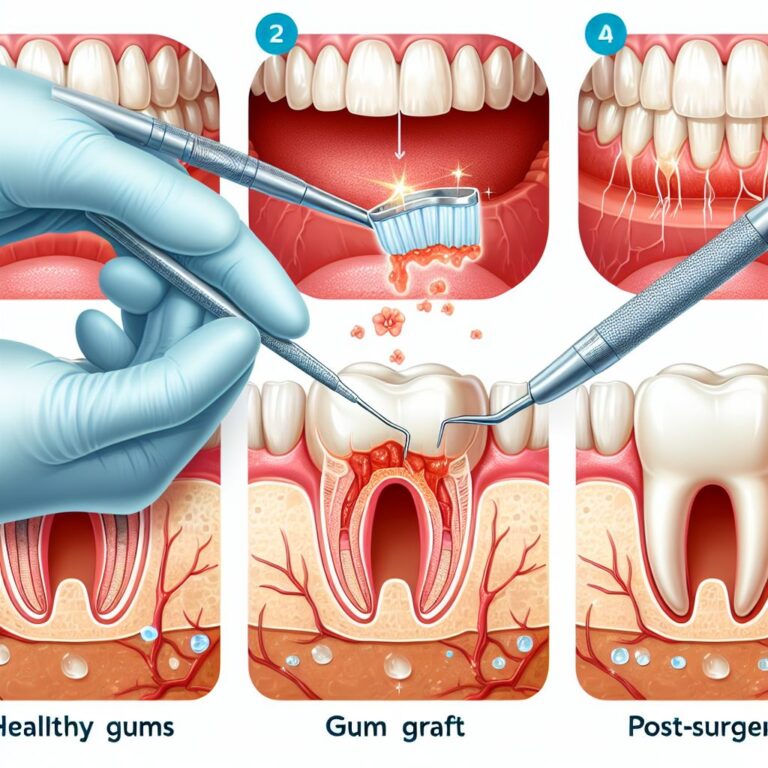
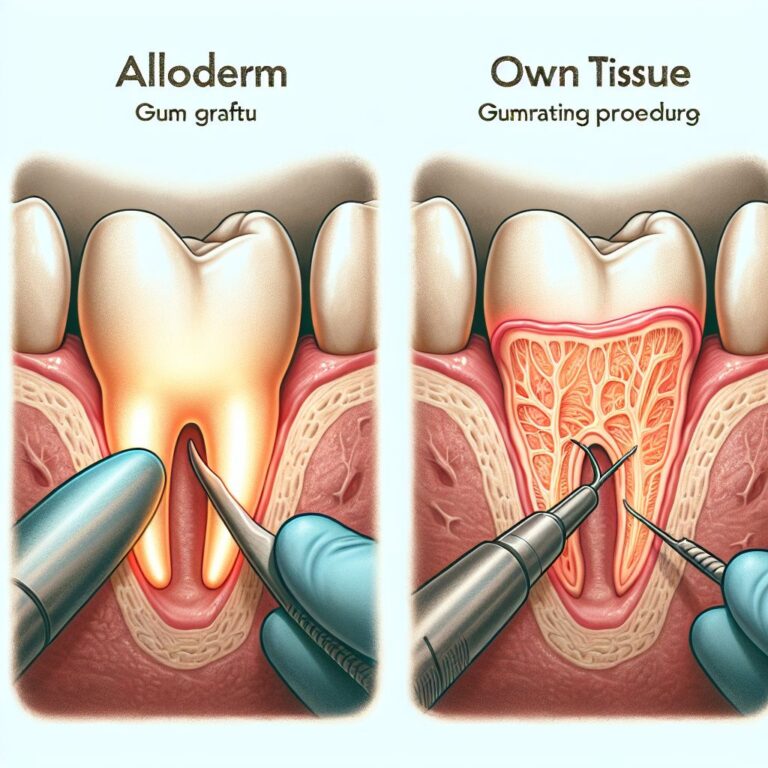
If you undergo any dental treatments during the months following your decision to quit vaping, you’ll likely notice your healing response has significantly improved. Procedures like deep cleanings, extractions, or gum grafts typically produce better outcomes with faster recovery times in former vapers once they’ve been vape-free for at least a month. This enhanced healing capacity continues to improve over the first three months as tissue regeneration mechanisms fully normalize.
Your dentist might comment on the improved tissue quality during routine examinations, noting better response to probing and reduced pocket depths. These clinical improvements reflect the restoration of proper immune function and tissue regeneration capabilities that were compromised during active vaping. The enhanced healing response extends beyond professional treatments to include everyday microtraumas such as those caused by eating crunchy foods or minor brushing abrasions.
Recovery Timeline At-A-Glance
72 Hours: Initial inflammation reduction begins
1 Week: Decreased redness and tenderness
2 Weeks: Improved blood flow and color
3 Weeks: Significantly reduced bleeding
1 Month: Restored pink color and firm texture
3 Months: Enhanced healing response and tissue resilience
The Invisible Damage Vaping Causes to Your Gums
Understanding the mechanisms of how vaping damages your gums helps explain why quitting produces such significant improvements. Vaping creates a multi-factorial assault on your oral tissues that extends far beyond the visible symptoms you might notice in the mirror. These damaging effects occur at the cellular and molecular levels, disrupting the delicate balance that maintains gum health.
How Vaping Chemicals Attack Gum Tissue
Vaping introduces a complex mixture of chemicals to your oral cavity, including propylene glycol, vegetable glycerin, flavorings, and often nicotine. These substances directly contact your delicate gum tissue before entering your respiratory system. Propylene glycol, while considered generally safe for ingestion, becomes an irritant when heated and aerosolized. It draws moisture from gum tissue, disrupting the protective mucous layer and exposing deeper tissue to damage.
Flavor additives in e-liquids contain various chemical compounds that weren’t designed for oral tissue contact. Cinnamaldehyde (cinnamon flavor), diacetyl (butter flavor), and benzaldehyde (cherry flavor) have been shown to be particularly damaging to oral cells. These compounds trigger inflammatory pathways and oxidative stress, essentially putting your gum tissue in a constant state of emergency response.
The heating element in vaping devices can reach temperatures that transform otherwise benign ingredients into more reactive compounds. When these heated chemicals contact your gums, they disrupt the epithelial barrier function and alter cellular metabolism. Studies have shown that vape aerosol exposure can reduce gum cell viability by up to 85% depending on exposure duration and e-liquid composition.
The Nicotine Connection: Constricted Blood Vessels
Nicotine, present in most vaping products, acts as a powerful vasoconstrictor that dramatically reduces blood flow to your gum tissue. This constriction prevents adequate oxygen and nutrients from reaching the cells that maintain gum health. Without proper circulation, the fibroblasts that produce collagen cannot function optimally, weakening the supporting structure of your gums.
The reduced blood flow also impairs your body’s immune response in the gingival tissues. White blood cells that would normally patrol for bacteria have difficulty reaching infected areas, allowing pathogens to proliferate. This immune suppression explains why vapers often develop gum disease despite having seemingly adequate oral hygiene practices.
Additionally, nicotine interferes with your body’s natural wound healing capabilities by inhibiting the proliferation of cells needed for tissue repair. This creates a situation where minor daily trauma to your gums from eating and brushing cannot heal properly, leading to chronic inflammation and tissue breakdown over time.
Dehydration and Dry Mouth: The Perfect Storm for Gum Disease
Both propylene glycol and vegetable glycerin are hygroscopic, meaning they attract and bind water molecules. When these substances coat your oral tissues during vaping, they pull moisture from your gums and reduce saliva production. This creates a chronic dry mouth condition (xerostomia) that severely impacts gum health.
Saliva plays a crucial protective role by buffering acids, remineralizing teeth, and washing away bacteria. With reduced saliva flow, the bacterial composition in your mouth shifts toward species that thrive in dry conditions, many of which are associated with periodontal disease. These bacteria produce enzymes and toxins that directly damage gum tissue and trigger inflammatory responses.
The dehydrating effects of vaping also concentrate inflammatory mediators and bacterial toxins around your gumline, intensifying their damaging effects. Without adequate saliva to dilute and clear these substances, they remain in contact with your gum tissue for extended periods, creating a chronic irritation that eventually leads to tissue breakdown and recession.
What Your Dentist Will Notice Before You Do
Dental professionals are trained to identify subtle changes in gum health that often escape your notice in the bathroom mirror. During a post-vaping examination, your dentist may observe improvements that aren’t yet visible to you. These clinical improvements serve as objective measures of your healing progress and can provide motivation to remain vape-free.
Clinical Signs of Improvement After Quitting
Your dentist will likely measure and record your periodontal pocket depths—the space between your gums and teeth. As healing progresses, these measurements typically decrease by 1-2mm in former vapers. This reduction signals that the gum tissue is reattaching more firmly to your teeth as inflammation subsides and collagen fibers regenerate.
The bleeding index, a clinical measure of how many sites bleed when gently probed, typically shows significant improvement within 4-6 weeks after quitting. While you might still notice some bleeding when flossing at home, your dentist will observe a more comprehensive reduction across all areas of your mouth. This clinical improvement confirms that the capillary fragility characteristic of vaping-induced damage is resolving.
Tissue response to gentle pressure also changes as healing progresses. Healthy gums appear firm and resilient when touched with a dental instrument, while inflamed gums appear boggy and leave an indentation. Your dentist will notice this textural improvement before it becomes apparent to you through normal brushing. For more insights on gum health, you can refer to this research article.
Treatment Response: Why Dental Work Works Better Now
If you require dental treatments after quitting vaping, your dentist will likely observe a significantly improved response. Local anesthetics become more effective as blood flow normalizes, allowing for more comfortable procedures. Gum tissue responds better to scaling and root planing, with reduced post-procedure discomfort and faster healing times.
The stability of dental restorations improves dramatically once you quit vaping. Crown margins remain more stable as gum tissues stop receding, and implant integration proceeds more predictably with normalized bone metabolism. Many dentists report that former vapers show healing rates comparable to never-smokers within about three months of cessation.
Even simple dental cleaning procedures produce better outcomes, with less sensitivity and gingival irritation afterward. This improved response occurs because your tissue’s inflammatory threshold has normalized, allowing it to handle routine manipulation without triggering an exaggerated reaction. For more information on the benefits of quitting vaping, you can visit Healthline.
How to Support Your Gums’ Recovery Journey
While quitting vaping initiates natural healing processes, you can accelerate and enhance your gum recovery through targeted care. A comprehensive approach to gum health during this recovery period can significantly improve both the speed and completeness of tissue regeneration. Combining clinical recommendations with natural supportive measures provides optimal results.
Essential Oral Care Routine for Ex-Vapers
Gentle but thorough brushing with a soft-bristled toothbrush for a full two minutes, twice daily, forms the foundation of recovery support. Focus on the gumline using a 45-degree angle, with light pressure that cleans effectively without causing tissue trauma. Consider using an electric toothbrush with a pressure sensor to prevent overzealous brushing during the sensitive healing phase.
Daily flossing becomes even more crucial during recovery as it removes bacteria from areas brushing cannot reach. Use a gentle, sliding motion rather than snapping the floss against tender gums. Water flossers set to a lower pressure setting offer an excellent alternative for those experiencing sensitivity during the initial healing weeks.
Incorporate tongue cleaning into your routine to reduce the overall bacterial load in your mouth. The tongue harbors significant bacteria that can recolonize your healing gum tissue. A gentle tongue scraper used daily can reduce bacterial counts by up to 75%, creating a more favorable environment for gum recovery.
Best Products for Healing Gums
- Alcohol-free antimicrobial mouth rinses containing cetylpyridinium chloride or stabilized chlorine dioxide
- Xylitol-containing products (gums, mints, or sprays) to stimulate saliva production
- Oral probiotics specifically formulated to support healthy oral microbiome balance
- Vitamin C serums designed for oral application to support collagen production
- Aloe vera gels with natural anti-inflammatory properties for direct gum application
- Coenzyme Q10 supplements which have shown benefits for gum tissue regeneration
- Omega-3 fatty acid supplements to modulate inflammatory responses
Natural remedies can complement conventional oral care during recovery. Salt water rinses (1/2 teaspoon in 8oz warm water) create an alkaline environment that discourages bacterial growth while soothing irritated tissue. Tea tree oil, properly diluted to 0.2% solution, provides antimicrobial benefits without the harshness of alcohol-based rinses. Green tea used as a cool mouth rinse delivers powerful antioxidants directly to healing gum tissue.
When to Schedule Your Next Dental Visit
Ideally, schedule a professional cleaning and evaluation approximately one month after quitting vaping. This timing allows your dentist to document early improvements and provide personalized guidance for your specific healing needs. If you had pre-existing gum disease, more frequent visits every 3-4 months may be recommended during the first year post-vaping to monitor recovery progress.
The Long-Term Outlook: Beyond the First 90 Days
While significant improvements occur within the first three months after quitting vaping, gum tissue continues to regenerate and strengthen beyond this initial recovery period. The long-term outlook for your gum health improves substantially with each passing month, with former vapers typically achieving tissue health comparable to never-vapers within 6-12 months of cessation. This extended timeline reflects the comprehensive nature of tissue regeneration and the gradual restoration of normal immune and healing functions.
Risk Reduction for Serious Gum Disease
Research indicates that the risk of developing severe periodontal disease decreases by approximately 30% within six months of quitting vaping. This risk continues to decline over time, approaching the baseline risk of never-vapers after approximately two years. The improvement in risk profile occurs because the primary drivers of periodontal disease—chronic inflammation, impaired immune response, and microcirculation issues—progressively normalize after cessation.
For those who already had early signs of gum disease while vaping, the condition typically stabilizes rather than progresses once vaping stops. The combination of improved immune function and enhanced tissue repair capabilities prevents the advancement to more serious stages of periodontal disease. This stabilization and gradual improvement can prevent tooth loss and the need for invasive periodontal treatments in the future.
Timeline for Complete Tissue Regeneration
Complete gum tissue regeneration follows a predictable but extended timeline. Epithelial surface cells completely renew within 7-10 days of quitting, providing improved barrier function. The underlying connective tissue, however, requires 3-6 months for complete remodeling and collagen maturation. The periodontal ligament that connects your teeth to the surrounding bone undergoes the slowest regeneration, with complete restoration taking 6-12 months depending on the extent of previous damage.
Frequently Asked Questions
Former vapers often have questions about what to expect during their gum recovery journey. The following answers address the most common concerns based on clinical experience and research evidence. Understanding these aspects of healing can help set realistic expectations and maintain motivation through the recovery process.
- Will my receded gums grow back after quitting vaping?
- How can I differentiate between healing symptoms and continuing problems?
- Does the type of vape juice used affect recovery time?
- Can I speed up gum healing with specific supplements?
- Will professional teeth whitening damage my healing gums?
Quitting vaping represents one of the most significant positive steps you can take for your oral health. The improvements in gum tissue quality, resilience, and appearance typically motivate former vapers to maintain their cessation and adopt better overall oral hygiene practices. This positive cycle creates compounding benefits that extend well beyond the initial recovery period. For more information on the benefits of quitting vaping, you can explore additional resources.
Individual results may vary based on factors including how long you vaped, the frequency of use, nicotine concentration, and your overall health status. Those with pre-existing health conditions like diabetes may experience slower healing, while younger individuals with no prior gum issues often see more rapid and complete recovery.
The journey to optimal gum health after quitting vaping requires patience and consistent care. Celebrate each milestone of improvement, from reduced bleeding to improved color and texture, as evidence of your body’s remarkable healing capabilities.
Will my gums fully recover from vaping damage?
Most gum tissue can fully recover from vaping damage, particularly if you quit before permanent structural changes have occurred. Soft tissue inflammation, bleeding, and color changes typically resolve completely within 3-6 months. However, true gum recession (where the margin has permanently retracted) will not naturally reverse, though it will likely stop progressing once you quit vaping.
The potential for recovery depends significantly on your age, overall health, and the duration of your vaping habit. Younger individuals with shorter vaping histories typically experience more complete recovery due to their enhanced tissue regeneration capabilities. Following a comprehensive oral care routine and addressing any underlying health issues that might impair healing (such as uncontrolled diabetes) will maximize your recovery potential.
How long does it take for gum sensitivity to improve after quitting?
Gum sensitivity typically begins improving within 7-14 days after quitting vaping as inflammation subsides and nerve irritation decreases. Most former vapers report significant reduction in temperature sensitivity and discomfort while brushing by the one-month mark. Complete resolution of sensitivity issues generally occurs within 2-3 months as nerve function normalizes and the protective layers of your gum tissue fully regenerate.
Should I tell my dentist I’ve quit vaping?
Absolutely inform your dentist about both your vaping history and your decision to quit. This information allows them to monitor specific aspects of your recovery and provide targeted recommendations for your situation. Dentists can document baseline conditions and track improvements, providing objective evidence of your healing progress that might not be apparent to you.
Your dentist can also adjust treatment recommendations based on your healing timeline. Some procedures might be postponed until gum tissue has sufficiently recovered, while others might be prioritized to support the healing process. Being transparent about your vaping history helps your dental team provide the most appropriate care for your specific needs.
Many dental practices offer additional support for patients who have recently quit vaping or smoking, including more frequent check-ups during the critical first few months. These visits provide accountability and professional encouragement during the challenging early period of cessation.
Your dental team should be considered partners in your recovery journey rather than judges of past habits. Their primary concern is supporting your current health goals and helping you achieve the best possible outcomes.
- Bring photos of your gums from when you were vaping to compare healing progress
- Ask for specific recommendations based on your unique oral conditions
- Request quantitative measurements to track improvements objectively
- Discuss any new symptoms that arise during the healing process
- Consider more frequent professional cleanings during the first 6 months
Can quitting vaping reverse existing gum disease?
Early-stage gum disease (gingivitis) can completely reverse after quitting vaping when combined with proper oral hygiene and professional care. The inflammation, bleeding, and bacterial imbalance characteristic of gingivitis respond well to the improved circulation and immune function that occurs after cessation. More advanced periodontal disease (periodontitis) with bone loss will not completely reverse but typically stabilizes and shows partial improvement in soft tissue conditions following smoking cessation.
Do nicotine replacement therapies affect gum healing?
Nicotine replacement therapies (NRTs) like patches, gums, or lozenges do impact gum healing, but to a much lesser degree than vaping. The primary benefit of NRTs is eliminating exposure to the heating elements, propylene glycol, flavoring chemicals, and other non-nicotine components of vape products. Systemic nicotine from patches has the least impact on oral tissues, while nicotine gums and lozenges create direct oral exposure but at significantly lower levels than vaping.
If using NRTs to support your quit journey, consider gradually reducing nicotine levels as tolerated to maximize gum healing potential. Many former vapers find that a staged approach—using higher-strength NRTs initially, then tapering down—provides the best balance between managing cravings and supporting oral tissue recovery. Your dental professional can help monitor how your specific NRT regimen is affecting your gum healing process.
Regardless of whether you use NRTs during your quit journey, you’ll still experience significant improvements in gum health compared to active vaping. The elimination of heated chemicals and reduction in direct tissue exposure creates favorable conditions for healing even if some nicotine exposure continues temporarily through replacement therapies.