
Key Takeaways
- The Pinhole Surgical Technique offers a minimally invasive alternative to traditional gum grafting with significantly less pain and faster recovery times.
- Using donor tissue materials like Alloderm eliminates the need for harvesting tissue from your own palate, reducing post-operative discomfort.
- Platelet-Rich Fibrin therapy harnesses your body’s natural healing abilities and can be combined with other treatments to improve outcomes.
- Cosmetic alternatives like gum-colored composite resins can provide aesthetic improvements without surgery for minor recession cases.
- Left untreated, receding gums can lead to sensitivity, root decay, and eventually tooth loss, making some form of intervention necessary.
Gum recession doesn’t always require traditional gum grafting. Modern dentistry offers several effective alternatives that can save you pain, recovery time, and in some cases, money. Whether you’re seeking relief from sensitivity or want to improve your smile’s appearance, understanding all your options is crucial before committing to treatment.
The best approach for your receding gums depends on multiple factors, including the severity of recession, underlying causes, and your personal preferences. Gum Disease Guide provides comprehensive information to help you navigate these choices with confidence. Many patients are surprised to learn they have options beyond conventional grafting that can effectively address their concerns with less invasive procedures.
Why Your Dentist Might Be Wrong About Gum Grafting
Traditional gum grafting has long been considered the gold standard for treating receding gums. However, not all dental professionals stay current with the latest advancements in periodontal treatments. Some dentists may recommend conventional grafting out of habit or because it’s what they’re most comfortable performing, not because it’s necessarily the best option for your specific situation.
The field of periodontics has evolved significantly in recent years, with several innovative techniques showing comparable or even superior results to traditional grafting in certain cases. These alternatives often provide less post-operative discomfort, faster healing times, and can sometimes be more cost-effective. If your dentist hasn’t discussed options beyond traditional grafting, it might be worth seeking a second opinion from a periodontist who specializes in gum treatments.
The Hidden Dangers of Untreated Gum Recession
Before exploring alternatives, it’s important to understand why treating gum recession matters in the first place. Receding gums aren’t just a cosmetic concern – they can lead to serious oral health complications if left unaddressed. When gum tissue pulls back from teeth, it exposes the sensitive root surfaces that weren’t designed to withstand the harsh oral environment.
- Increased tooth sensitivity to hot, cold, and sweet stimuli
- Greater risk of root surface decay and cavities
- Progressive bone loss around affected teeth
- Difficulty maintaining proper oral hygiene
- Eventual tooth mobility and potential tooth loss
- Aesthetic concerns that can affect confidence and social interactions
Root Sensitivity That Gets Worse Over Time
One of the earliest and most common symptoms of gum recession is increased sensitivity. This occurs because the root surface lacks the protective enamel layer that covers the crown of your teeth. When exposed, the thousands of microscopic tubules in the dentin layer transmit temperature changes and chemical stimuli directly to the nerve, causing that characteristic sharp pain when enjoying cold drinks or sweet foods.
Without intervention, this sensitivity typically worsens as recession progresses. Many patients first attempt to manage with desensitizing toothpastes, which can provide temporary relief by blocking these tubules. However, these products don’t address the underlying problem of exposed roots and diminishing gum tissue.
Increased Risk of Root Decay and Tooth Loss
Root surfaces are significantly more susceptible to decay than enamel-covered crowns. In fact, studies show that root surfaces are about 50% more likely to develop cavities when exposed. This vulnerability stems from the root’s cementum and dentin being softer and more easily demineralized than enamel.
As recession advances, bacteria can more easily adhere to these rougher root surfaces, forming biofilms that are difficult to remove with normal brushing. The longer roots remain exposed, the greater the risk of developing root caries that can rapidly progress and potentially lead to tooth loss if not promptly treated.
Progressive Bone Loss Without Intervention
Perhaps the most concerning hidden danger of untreated gum recession is the potential for ongoing bone loss. Healthy gum tissue helps protect the underlying bone that supports your teeth. When gums recede, this protective barrier diminishes, potentially accelerating bone resorption in susceptible individuals.
Once bone loss occurs, it’s extremely difficult to reverse without specialized regenerative procedures. This progressive deterioration of supporting structures can eventually lead to tooth mobility and loss, even in the absence of decay. That’s why addressing gum recession early with appropriate treatments is crucial for long-term oral health. For more information on alternatives to traditional treatments, you can explore alternatives to gum grafting.
Pinhole Surgical Technique: The Minimally Invasive Alternative
The Pinhole Surgical Technique (PST) represents one of the most significant advancements in treating gum recession. Developed by Dr. John Chao, this scalpel-free, suture-free procedure has revolutionized how we approach gum restoration. Unlike traditional grafting that requires cutting and stitching, PST works through a tiny pinhole made in the gum tissue.
This innovative approach is gaining popularity among patients who want effective results without the discomfort associated with conventional grafting. For those with dental anxiety or concerns about pain management, PST offers a gentler alternative that still delivers excellent outcomes in appropriate cases.
How PST Works Without Cutting or Stitches
During the Pinhole Surgical Technique, your periodontist creates a small opening (about the size of a needle entry) in the gum tissue above the area of recession. Using specialized instruments inserted through this tiny access point, they gently loosen the gum tissue from the underlying tooth surface. Once the tissue is sufficiently mobile, it’s carefully repositioned to cover the exposed root surfaces.
The procedure’s genius lies in its simplicity. Instead of harvesting tissue from elsewhere in your mouth and grafting it onto the receded area, PST uses your existing gum tissue and simply repositions it. Small collagen strips are then placed beneath the gums to stabilize the tissue in its new position while healing occurs. The pinhole itself typically heals within 24-48 hours, leaving no visible scars.
Recovery in Days Instead of Weeks
One of the most compelling advantages of PST is the dramatically shortened recovery period. Traditional gum grafting can require 2-3 weeks of healing, with significant discomfort during the first week as both donor and recipient sites heal. Patients often need prescription pain medication and face dietary restrictions during this time.
In contrast, PST patients typically experience minimal discomfort that can usually be managed with over-the-counter pain relievers. Most resume normal activities within 1-2 days and can eat normally much sooner than with traditional grafting. This reduced downtime makes PST particularly attractive for busy professionals or anyone who can’t afford extended recovery periods.
Treating Multiple Teeth in One Session
Another significant advantage of the Pinhole Surgical Technique is its efficiency in treating multiple teeth during a single appointment. Traditional grafting is typically limited to treating one or two teeth at a time due to the limited amount of donor tissue available and the increased surgical trauma.
With PST, an entire arch of teeth can potentially be treated in just one session. This means fewer appointments, less total recovery time, and often lower overall costs when multiple teeth require treatment. For patients with widespread recession, this comprehensive approach can be particularly beneficial both functionally and financially.
Typical Costs Compared to Traditional Grafting
While costs vary significantly based on geographic location and the specific provider, PST is generally comparable to or slightly higher than traditional grafting on a per-tooth basis. However, when treating multiple teeth, the ability to address several sites in one session often makes PST more cost-effective overall.
The average cost for treating a single tooth with PST ranges from $500-$1,200, while traditional grafting typically runs $700-$1,500 per tooth. Many dental insurance plans provide at least partial coverage for both procedures when they’re deemed medically necessary to address recession, though cosmetic applications may not be covered.
Alloderm and Other Donor Tissue Options
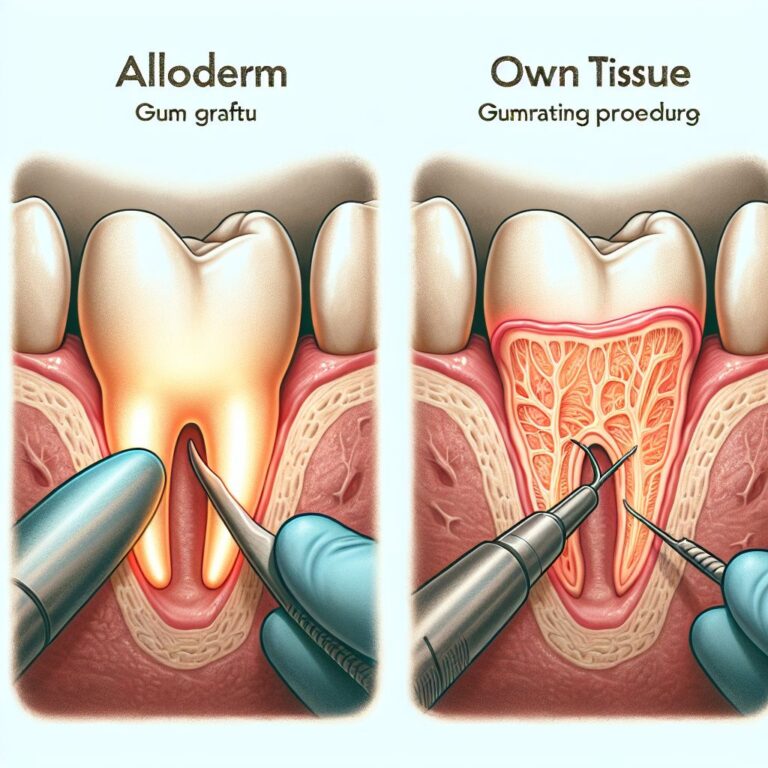
For patients who aren’t suitable candidates for the Pinhole technique but still want to avoid the discomfort of harvesting tissue from their own palate, processed donor tissues offer an excellent alternative. Products like Alloderm, derived from carefully screened and processed human tissue, eliminate the need for a second surgical site in your mouth.
These processed allograft materials have been used safely in periodontal procedures for decades. They provide the scaffolding necessary for your body’s cells to populate and create new gum tissue, effectively treating recession while minimizing post-operative discomfort.
Eliminating the Painful Roof-of-Mouth Incision
The most significant source of post-operative pain following traditional gum grafting comes from the palatal donor site. This area on the roof of your mouth heals relatively slowly because it’s constantly exposed to food, beverages, and the mechanical action of your tongue. Many patients describe this donor site pain as feeling like a “pizza burn” that persists for days or weeks.
Using Alloderm or similar products completely eliminates this source of discomfort. The procedure only involves the recipient site where the graft material is placed, resulting in significantly less overall pain and a smoother recovery experience. For patients with a low pain threshold or those who simply want to minimize discomfort, this approach offers substantial benefits. To explore alternatives to gum grafting, this resource provides detailed insights.
Integration with Your Natural Gum Tissue
Despite being derived from donor sources, products like Alloderm successfully integrate with your natural tissues through a process called “incorporation.” When properly placed, these materials serve as a biological scaffold that your body’s cells gradually populate. Over time, your own blood vessels grow into the graft material, and your cells replace the donor matrix with your own tissue.
This incorporation process typically takes 6-12 weeks to complete, during which the donor material provides stability and protection for the previously exposed root surfaces. The end result is functionally and aesthetically similar to grafts using your own tissue, but with significantly less surgical trauma and post-operative discomfort.
When Donor Tissue Is Your Best Option
Donor tissue alternatives are particularly well-suited for patients with thin palatal tissue that would provide insufficient material for harvesting, those who need extensive grafting that would require multiple palatal surgeries, or individuals with heightened pain sensitivity. Your periodontist might also recommend this option if you’re taking medications that could impair healing at a donor site or if you have medical conditions that make minimizing surgical trauma advisable.
Platelet-Rich Fibrin Therapy for Natural Healing
Platelet-Rich Fibrin (PRF) therapy harnesses your body’s natural healing mechanisms to enhance gum regeneration. This innovative approach involves drawing a small amount of your blood, processing it to concentrate the platelets and fibrin, then applying this growth-factor-rich material to the treatment area. Unlike traditional grafting, PRF works by supercharging your body’s own healing processes.
The concentrated platelets release growth factors that stimulate tissue regeneration, increase blood vessel formation, and accelerate healing. This biological approach represents a shift toward more natural healing processes rather than surgical intervention alone.
Using Your Own Blood to Accelerate Recovery
The PRF procedure begins with a simple blood draw, similar to what you’d experience during routine lab work. Your blood is then placed in a centrifuge that separates the components, concentrating the platelets and fibrin into a membrane or gel-like substance. This natural material contains high concentrations of growth factors that play crucial roles in wound healing and tissue regeneration.
Because PRF uses your own blood, there’s virtually no risk of rejection or adverse reaction. The application is minimally invasive, and many patients report less discomfort compared to traditional grafting procedures. The growth factors in PRF work continuously for several days after application, providing sustained support to the healing tissues.
Combining PRF with Other Gum Treatments
One of PRF’s greatest strengths is its versatility as a complementary therapy. It can be used alongside almost any other gum treatment to enhance outcomes. When combined with the Pinhole Surgical Technique, PRF helps stabilize the repositioned tissue and accelerates healing of the pinhole itself. When used with traditional grafting or Alloderm procedures, PRF improves graft integration and increases the likelihood of successful outcomes.
Some periodontists also combine PRF with bone grafting materials when treating recession cases that involve bone loss. This combination therapy can help regenerate both soft tissue and bone simultaneously, addressing multiple aspects of periodontal health in a single treatment.
Success Rates and Limitations
Research on PRF shows promising results, with studies indicating improved healing times and better tissue quality when compared to procedures performed without PRF. Success rates for combined therapies (such as PRF with grafting) typically exceed 90% in properly selected cases. However, it’s important to understand that PRF is generally an adjunctive therapy rather than a standalone treatment for significant recession.
The effectiveness of PRF can vary based on individual factors such as age, overall health, and the quality of your blood components. Certain medications, smoking, and systemic conditions may reduce the concentration of growth factors in your PRF, potentially limiting its effectiveness. Your periodontist can help determine if you’re a good candidate for this treatment approach.
Preventive Approaches That Stop Recession
Before pursuing any surgical intervention, it’s essential to address the underlying causes of gum recession. In many cases, implementing proper preventive measures can halt the progression of recession and prevent the need for more invasive treatments. These approaches focus on eliminating the factors that contribute to gum recession in the first place.
Working with dental professionals to identify and correct these contributing factors should be your first step when noticing early signs of recession. A comprehensive prevention plan tailored to your specific situation can significantly improve your long-term gum health.
Specialized Cleaning Techniques
Many cases of gum recession stem from improper brushing techniques that cause mechanical trauma to the delicate gum tissues. Your dental hygienist can demonstrate gentle but effective cleaning methods that remove plaque without damaging your gums. This typically involves using a soft-bristled toothbrush, applying minimal pressure, and using small circular or vibrating motions rather than aggressive scrubbing.
For patients with existing recession, specially designed brushes with extra-soft bristles or single-tuft brushes may be recommended for cleaning vulnerable areas. Your dentist might also suggest specific interdental cleaning tools that effectively clean between teeth without traumatizing the gums.
Nightguards for Teeth Grinders
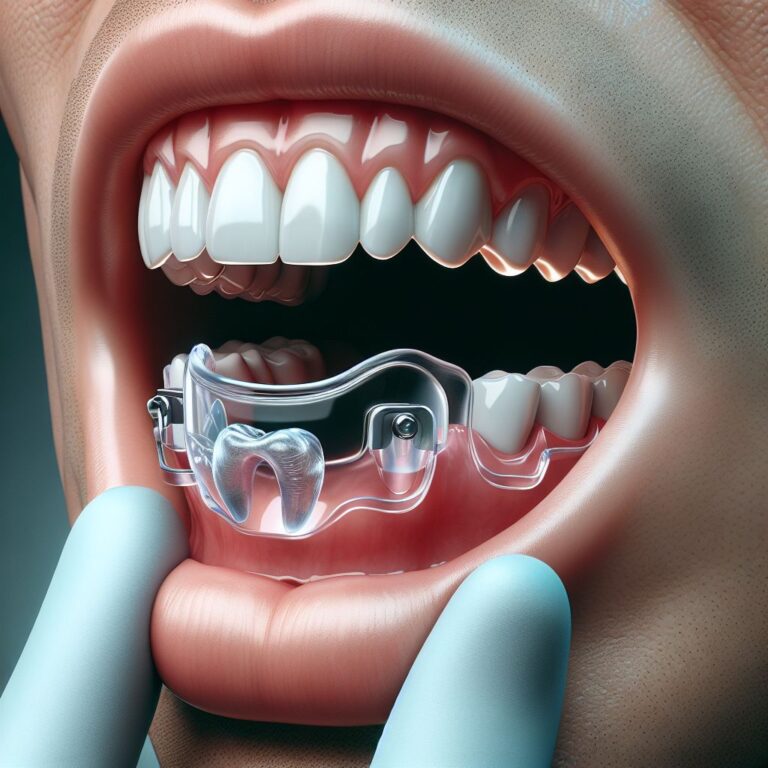
Bruxism (teeth grinding and clenching) places excessive forces on teeth and can accelerate gum recession, especially in people with thinner gum tissues. A custom-fitted nightguard creates a protective barrier that distributes these forces more evenly and reduces trauma to the teeth and gums. These appliances are typically made from durable acrylic material molded precisely to your dental arch.
Beyond protecting your gums, nightguards can also prevent other complications of bruxism such as worn enamel, fractured teeth, and temporomandibular joint disorders. For many patients with recession linked to grinding habits, a nightguard is an essential component of their treatment plan.
Antimicrobial Treatments
When bacterial infection contributes to gum recession, antimicrobial therapies can help control the underlying periodontal disease. Professional treatments might include subgingival irrigation with antimicrobial solutions, localized antibiotic placement in periodontal pockets, or prescription mouth rinses. These interventions reduce bacterial loads and help create an environment where gums can stabilize and potentially recover. For those exploring options, there are alternatives to gum grafting that might be worth considering.
In more advanced cases of periodontitis, your dentist might recommend scaling and root planing (deep cleaning) before considering surgical interventions. This procedure removes bacterial deposits below the gumline and creates smooth root surfaces that discourage bacterial reattachment. When performed regularly as part of maintenance therapy, these treatments can prevent further recession.
Proper Brushing Techniques That Won’t Damage Gums
Learning to brush effectively without causing trauma is crucial for preventing and managing gum recession. The key principles include using a soft-bristled brush, holding the brush at a 45-degree angle to the gumline, and using gentle, short strokes. Electric toothbrushes with pressure sensors can be particularly helpful for patients who tend to brush too aggressively.
The timing of brushing also matters. Brushing immediately after consuming acidic foods or beverages can damage enamel and gum tissue when they’re already softened by acid. Waiting 30-60 minutes after acidic consumption allows saliva to neutralize acids and remineralize tissues before mechanical cleaning.
Cosmetic Alternatives When Surgery Isn’t Possible
Some patients aren’t candidates for surgical interventions due to medical conditions, financial constraints, or personal preferences. For these individuals, cosmetic approaches can provide aesthetic improvements and some functional benefits without the need for surgery. While these alternatives don’t actually restore lost gum tissue, they can effectively mask recession and protect exposed root surfaces.
These cosmetic solutions are often more affordable than surgical options and require little to no recovery time. They can serve as either temporary measures while preparing for definitive treatment or as long-term solutions for patients who cannot undergo surgery.
Gum-Colored Fillings for Minor Recession
For cases with minimal to moderate recession, gum-colored composite resin can be applied to exposed root surfaces. This tooth-colored material can be precisely matched to your natural gum color and contoured to recreate the appearance of healthy gum tissue. The procedure is virtually painless, requiring little or no anesthesia, and can be completed in a single visit. For more information on alternatives to gum grafting, you can explore other options available.
Beyond improving aesthetics, these composite restorations also protect sensitive root surfaces from decay and abrasion. They can significantly reduce temperature sensitivity and make daily oral hygiene easier by creating smoother surfaces that are less prone to plaque accumulation. While not a permanent solution (typically lasting 3-5 years before needing touch-ups), gum-colored fillings provide an excellent non-surgical option for many patients.
Silicone Gingival Veneers
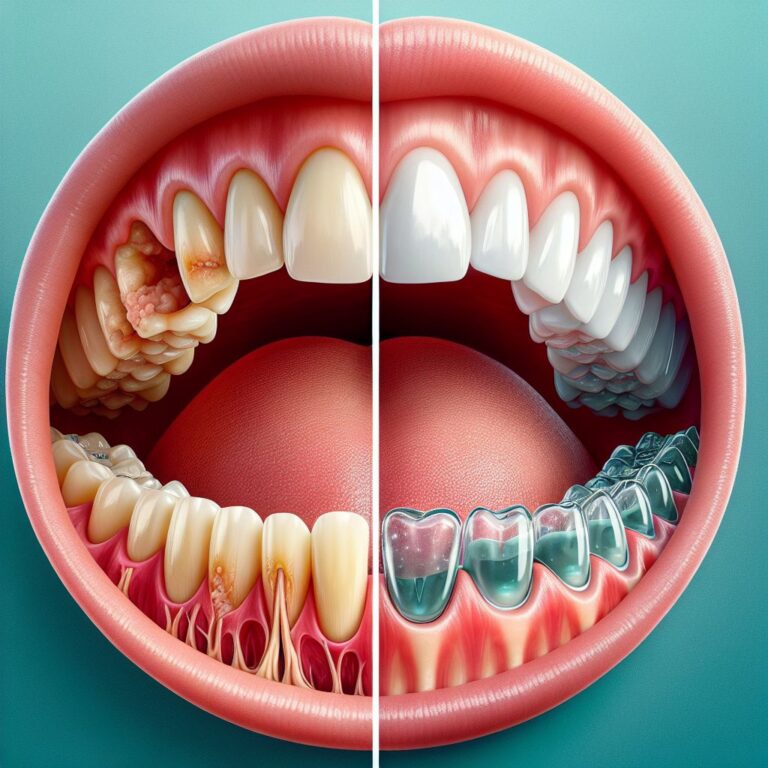
For more extensive recession affecting multiple teeth, removable silicone gingival veneers offer a non-surgical solution. These custom-made prosthetic devices slip over your teeth to mask recession and fill in spaces where gum tissue has been lost. Made from flexible, biocompatible silicone, these veneers can be remarkably natural-looking when properly designed and fabricated.
Gingival veneers are particularly valuable for patients with widespread recession or those who have experienced significant bone loss that makes surgical correction difficult. They can be removed for cleaning and typically last 3-5 years with proper care. Some designs attach to existing dental work, while others rely on the natural contours of your teeth for retention.
When Orthodontics Can Help Gum Appearance
In certain cases, strategic tooth movement through orthodontic treatment can improve the appearance of receded gums without direct gum treatment. By repositioning teeth, orthodontics can redistribute gingival tissues more favorably and reduce the visual impact of recession. This approach works particularly well for addressing “black triangles” between teeth that often accompany recession. For more information on alternatives to gum grafting, you can explore alternatives to gum grafting.
How to Choose Your Best Treatment Option
Selecting the right approach for your receding gums involves careful consideration of multiple factors. The severity and pattern of your recession, underlying causes, overall health status, budget constraints, and personal preferences all play important roles in this decision. What works perfectly for one patient may not be ideal for another.
The best decisions come from a collaborative approach between you and dental professionals who understand the full spectrum of available treatments. An experienced periodontist can help you navigate these choices while respecting your priorities and concerns.
Consider seeking opinions from multiple specialists, particularly if you’re being told that traditional grafting is your only option. Modern periodontal practices often offer several alternatives, and finding a provider who is well-versed in these techniques can significantly expand your treatment possibilities.
Questions to Ask Your Periodontist
When consulting with specialists about gum recession treatments, asking the right questions can help you make an informed decision. Request specific information about success rates for different procedures based on cases similar to yours. Ask about the expected aesthetic outcomes, durability of results, recovery time, and potential complications associated with each option. Additionally, consider inquiring about alternatives to gum grafting to explore all possible treatment avenues.
Insurance Coverage for Alternative Treatments
Dental insurance coverage for gum recession treatments varies widely between plans. Traditional grafting is most commonly covered when deemed medically necessary, but newer alternatives may have limited coverage. Most insurance companies classify procedures as either therapeutic (medically necessary) or cosmetic, with different coverage levels for each category.
Finding Specialists Who Offer These Alternatives
Not all dental professionals are equally experienced with the full range of gum recession treatments. To find specialists offering alternatives to traditional grafting, consider searching dental society directories, reviewing periodontists’ websites for specific mentions of techniques like Pinhole or PRF, or asking for referrals from your general dentist.
University-based dental clinics often provide access to the latest techniques, as they tend to adopt innovative approaches earlier than many private practices. These teaching institutions frequently offer treatments at reduced rates while maintaining high standards of care under faculty supervision.
Patient support groups and online forums can also be valuable resources for finding specialists with specific expertise. Former patients often share their experiences and can provide insights about providers who excel in particular treatment approaches.
Comparing Gum Recession Treatment Options
Treatment Best For Recovery Time Relative Cost Longevity Traditional Grafting Severe recession, thin tissue 2-3 weeks $$$ Lifetime with proper care Pinhole Technique Multiple teeth, adequate tissue thickness 1-3 days $$-$$$ 5-10+ years Alloderm Grafting Limited palatal tissue, multiple sites 1-2 weeks $$$-$$$$ Lifetime with proper care PRF Therapy Adjunct to other treatments Varies by primary treatment $ (as add-on) Enhances primary treatment Gum-Colored Fillings Minor recession, cosmetic concerns None $ 3-5 years Gingival Veneers Widespread recession, non-surgical cases None $$ 3-5 years
This comparison highlights the significant differences between treatment options, emphasizing why personalized evaluation is so important. Your specific case may have unique factors that make one approach particularly advantageous over others.
What to Expect After Alternative Gum Treatments
Recovery experiences vary significantly between different gum recession treatments. With minimally invasive options like the Pinhole Technique, most patients return to normal activities within 24-48 hours, with minimal discomfort managed by over-the-counter pain relievers. Donor tissue procedures typically require 7-10 days of recovery, during which soft foods are recommended, and certain activities might be restricted. Cosmetic options like composite bonding require essentially no recovery time, allowing immediate return to normal function.
Frequently Asked Questions
Patients considering alternatives to traditional gum grafting often share common concerns and questions. Understanding these aspects of treatment can help you approach your dental appointments with confidence and realistic expectations.
How long do alternative gum treatments last compared to traditional grafting?
Traditional grafting typically provides lifetime results when the underlying causes of recession are properly addressed. The Pinhole Technique offers comparable longevity in many cases, with studies showing stable results at 5+ years. Alloderm and other donor tissue grafts have similar durability to traditional grafts. Cosmetic alternatives like composite bonding and gingival veneers generally require replacement or touch-ups every 3-5 years to maintain optimal appearance.
Can receding gums grow back naturally without any treatment?
Unfortunately, receded gum tissue does not regenerate naturally to any significant degree once lost. Minor recession may stabilize if contributing factors like aggressive brushing or periodontal disease are eliminated, but the tissue won’t regrow to cover exposed root surfaces without intervention. Early intervention with proper oral hygiene practices and regular dental care is essential to prevent progression of existing recession.
Are gum grafting alternatives covered by dental insurance?
Coverage varies significantly between insurance providers and specific plans. Traditional grafting for non-cosmetic purposes is most consistently covered, typically at 50-80% after deductibles. Newer alternatives like the Pinhole Technique may be covered at similar rates by some plans, while others classify them as “experimental” with limited or no coverage.
For the best financial planning, request a detailed pre-treatment estimate from your insurance company. Many dental practices also offer payment plans or financing options to make treatment more accessible, regardless of insurance coverage.
Which alternative is best for severe gum recession?
For severe recession cases, traditional connective tissue grafting or Alloderm grafting typically provides the most predictable results, especially when bone loss has occurred alongside gum recession. These approaches offer the greatest amount of root coverage and tissue augmentation in challenging cases.
The Pinhole Technique may be suitable for some severe cases if adequate gum tissue remains above the recession and the patient has favorable tissue thickness. A comprehensive evaluation by a periodontist specializing in multiple techniques is essential for severe cases to determine the most appropriate approach.
Can I get alternative treatments if I’ve already had traditional gum grafting?
Case Study: Combined Approach for Complex Recession
A 52-year-old patient presented with severe recession on multiple teeth, having previously undergone traditional grafting on two teeth with only partial success. After comprehensive evaluation, the treatment plan included Alloderm grafting for the most severe sites, Pinhole Technique for moderate recession areas, and PRF therapy applied to all treated areas to enhance healing.
The combined approach addressed the varying degrees of recession while minimizing overall surgical trauma. Six-month follow-up showed 85-95% root coverage across all treated sites with excellent tissue integration and color matching. The patient reported significantly less post-operative discomfort compared to their previous traditional grafting experience.
Yes, if you’ve previously had traditional grafting, you can still be a candidate for alternative treatments for other areas of recession. In fact, many patients who experienced significant discomfort with traditional grafting seek alternatives for treating additional recession sites. Your periodontist can evaluate your previous grafting results and current condition to determine the most appropriate options for your remaining areas of concern.
Many cases benefit from a combined approach using different techniques for different areas of the mouth based on the specific characteristics of each site. This personalized strategy often yields the best overall results while minimizing discomfort and recovery time.
When considering any gum recession treatment, remember that addressing the underlying causes is just as important as the procedure itself. Even the most successful grafting or alternative treatment can fail if factors like aggressive brushing, grinding, or periodontal disease aren’t properly managed.
Modern dentistry offers more options than ever before for treating receding gums. By understanding these alternatives and working with skilled specialists, you can find a solution that effectively addresses your concerns while respecting your preferences regarding recovery time, discomfort, and budget.