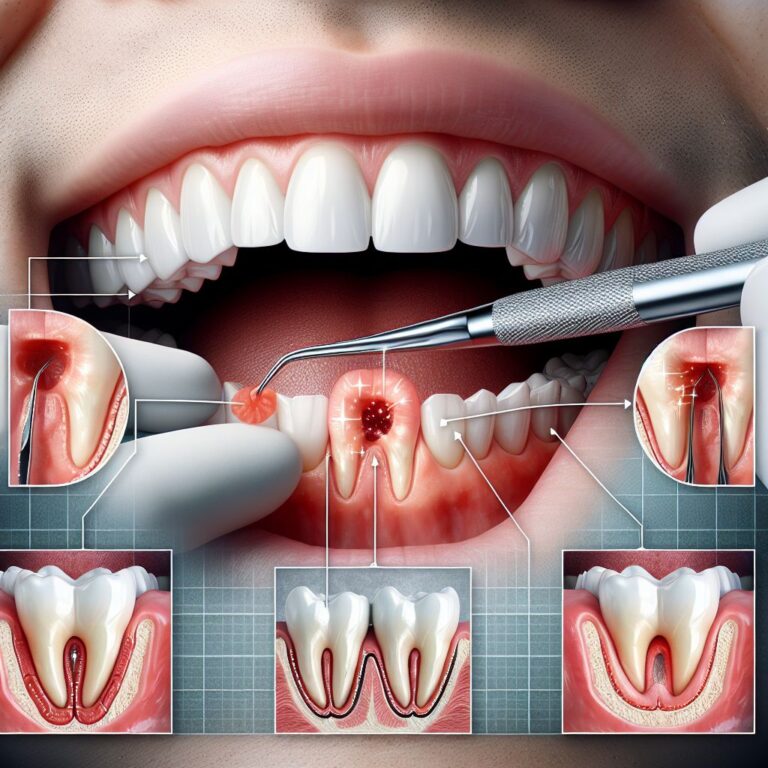

Article-At-A-Glance: Dental Implant Funding in Colorado
- Colorado’s Dental Health Care Program for Low-Income Seniors offers grants for dental services, including potential implant-related procedures for qualified residents aged 60+.
- The 2025 application cycle features updated income thresholds and potentially expanded coverage options compared to previous years.
- Most dental grant programs in Colorado cover only portions of implant procedures, with complete full-mouth implants rarely receiving full funding.
- Documentation requirements include proof of Colorado residency, income verification, and comprehensive dental assessments showing medical necessity.
- Alternative funding options like dental schools, community health centers, and payment plans can help bridge coverage gaps for those who don’t qualify for grants.
Missing teeth impact more than just your smile – they affect nutrition, speech, and overall health. For Colorado residents struggling with tooth loss, dental implants offer a permanent solution, but at $3,000-$5,000 per tooth, the cost remains prohibitive for many. Fortunately, several grant programs in Colorado are providing financial assistance for dental implants in 2025, with varying degrees of coverage and eligibility requirements. Colorado Dental Implant Center recognizes that navigating these options can be challenging, which is why understanding the available programs is essential for accessing this life-changing care.
The landscape of dental implant grants in Colorado has evolved significantly for 2025, with expanded funding and modified eligibility criteria in several key programs. Recent updates to the Colorado Dental Health Care Program for Low-Income Seniors include adjusted income thresholds and potentially broader coverage for implant-related procedures. These changes come in response to increasing demand and recognition of dental implants as a necessary medical intervention rather than merely cosmetic treatment.
Quick Facts: Dental Implant Financial Assistance in Colorado
Before diving into specific programs, it’s important to understand the reality of dental implant funding in Colorado. Most grant programs provide partial coverage for implant procedures, with complete funding rarely available. Waiting periods are common, with many applicants placed on lists for 3-12 months before receiving assistance. Additionally, most programs require demonstration of financial need and medical necessity, with priority given to those with the most severe dental conditions and limited resources.
The application windows for 2025 grants typically open 6-12 months in advance, with many programs accepting applications beginning in mid-2024. Early application is strongly recommended as funds are limited and distributed on a first-come, first-served basis in many cases. Success rates vary widely between programs, with some approving as few as 30% of applicants while others may approve up to 70% depending on funding availability and applicant qualifications.
- Maximum benefit amounts range from $1,500 to $8,000 depending on the program
- Most grants cover only portions of the implant process (extraction, bone grafting, OR implant placement)
- Application processing typically takes 4-8 weeks
- Documentation requirements include proof of residency, income verification, and dental assessments
- Annual funding cycles mean missed deadlines can result in year-long waits for the next opportunity
Colorado’s Dental Implant Grant Reality: What You Need to Know for 2025
The hard truth about dental implant grants in Colorado is that complete coverage for full implant procedures is rare. Most programs fund specific components of the implant process rather than the entire treatment plan. For example, a grant might cover the extraction and bone grafting but not the implant itself, or it might cover the implant placement but not the crown. Understanding these limitations is crucial to developing a realistic financial plan for your dental restoration.
Another important consideration is that funding is typically allocated based on demonstrated need, with preference given to those with the most severe dental conditions. Patients seeking implants primarily for cosmetic purposes will find fewer options than those who can document functional impairments or health issues resulting from tooth loss. Medical necessity documentation from dental professionals plays a critical role in the approval process for most grant programs.
The competition for dental implant grants has increased substantially in recent years, with application numbers rising by approximately 15-20% annually. This trend is expected to continue in 2025, making early preparation and thorough applications more important than ever. Many successful applicants report spending 3-4 months gathering documentation, securing professional assessments, and preparing their applications before submission deadlines.
The 3 Main Dental Grant Programs Available in Colorado
Colorado offers several pathways to dental implant funding, each with distinct eligibility requirements and coverage limitations. Understanding these programs is the first step toward securing financial assistance for your dental implants in 2025.
Colorado Dental Health Care Program for Low-Income Seniors
Created by Senate Bill 14-180, this program promotes the health and welfare of Colorado’s low-income seniors by providing access to essential dental care. It specifically targets individuals aged 60 and older who lack dental coverage through other programs such as Medicaid. The program operates through grants distributed to local Areas on Aging, public health agencies, Community Health Centers, and participating private dental practices throughout Colorado.
Health First Colorado (Medicaid) Dental Coverage
While traditionally limited in scope for adult dental services, Health First Colorado has expanded its dental benefits in recent years. For qualified low-income residents, certain dental implant procedures may receive coverage when deemed medically necessary. Coverage determinations are made on a case-by-case basis, with priority given to situations where implants are the only viable option for restoring dental function.
The program’s dental benefits underwent significant changes for the 2024-2025 fiscal year, potentially including expanded coverage for implant-related procedures in specific circumstances. These changes reflect growing recognition of the health implications of tooth loss and the long-term cost-effectiveness of permanent solutions like implants compared to repeated temporary interventions.
Eligibility is determined by income thresholds that typically fall below 133% of the Federal Poverty Level, though these guidelines may vary based on household size and specific circumstances. Application can be completed through the Colorado PEAK system, with dental benefits automatically included for those who qualify for the overall Medicaid program.
Senior Low Income Dental Assistance Program (SLIDAP)
This specialized program focuses on addressing the dental needs of Colorado’s aging population, with particular attention to those requiring extensive restorative care. Unlike some other programs, SLIDAP explicitly includes provisions for implant-related procedures when they represent the most appropriate treatment option for the patient’s condition.
Funding is allocated through participating dental providers who apply for grants to serve eligible seniors in their communities. This provider-centered approach means that patients must work with dentists who are already enrolled in the program rather than applying directly for assistance themselves.
2025 Funding Allocation by Region
Denver Metro: $1.2 million
Northern Colorado: $850,000
Southern Colorado: $780,000
Western Slope: $650,000
Eastern Plains: $520,000Source: Colorado Department of Health Care Policy and Financing
Applications for the 2025 funding cycle opened in July 2024, with grants to be awarded by October 2024. Services covered under these grants will be available throughout the 2025 fiscal year, though the specific allocation timeline varies by provider and region. Prospective patients should contact participating providers as early as possible to secure a place in their treatment schedule.
Do You Qualify? Eligibility Requirements for Each Program
Understanding eligibility criteria is crucial before investing time in the application process. Colorado’s dental grant programs have specific requirements designed to target assistance to those with the greatest need and least access to alternative resources.
Age and Income Requirements
Age requirements vary significantly between programs, with the Colorado Dental Health Care Program for Low-Income Seniors exclusively serving residents aged 60 and older. Health First Colorado dental coverage is available to qualifying individuals of all ages, though the approval process for implant procedures is typically more stringent for younger applicants who may have alternative treatment options. SLIDAP focuses primarily on seniors but may extend coverage to adults aged 55-59 with documented medical necessity in certain circumstances.
Income thresholds for 2025 have been adjusted to reflect cost-of-living increases. For senior-focused programs, eligibility typically requires income below 250% of the Federal Poverty Level (approximately $36,450 for individuals or $49,300 for couples). Health First Colorado maintains stricter income limits at approximately 133% of FPL, though pregnant women and certain disabled individuals may qualify under expanded criteria. All programs require comprehensive income documentation, including tax returns, bank statements, and verification of government benefits.
Colorado Residency Verification Process
Proof of Colorado residency is mandatory for all dental grant programs in the state. Applicants must provide documentation showing at least 6-12 months of continuous residency prior to application, depending on the specific program requirements. Acceptable documentation includes Colorado driver’s licenses, state ID cards, utility bills, lease agreements, or property tax statements. Some programs may require multiple forms of residency verification, particularly for applications seeking significant funding for extensive implant procedures.
Recent changes to residency verification procedures include digital verification options through the Colorado Benefits Management System for applicants already enrolled in other state assistance programs. However, applicants seeking dental assistance only will still need to submit traditional documentation through their provider or program administrator.
Dental Need Documentation
Medical necessity is perhaps the most critical eligibility factor for implant-specific grants. Applicants must provide comprehensive dental assessments documenting the extent of tooth loss, failed attempts at alternative treatments, and specific health impacts resulting from their dental condition. Most programs require evaluations from licensed dentists detailing why implants represent the most appropriate treatment option rather than alternatives like partial dentures or bridges.
Documentation should emphasize functional impairments rather than cosmetic concerns, highlighting issues such as nutritional deficiencies, speech problems, bone loss progression, or inability to wear conventional dentures. Programs increasingly require radiographic evidence and treatment histories demonstrating the progression of the dental condition and failures of previous interventions.
Lack of Other Dental Coverage
All Colorado dental grant programs operate as payers of last resort, meaning applicants must demonstrate they lack access to dental coverage through other sources. This includes verifying the absence of private dental insurance, veterans’ benefits with dental components, or coverage through Medicare Advantage plans that include dental services. Some programs may require signed affidavits confirming the lack of alternative coverage options or documentation of coverage denials for the proposed implant procedures.
Application Process: Step-by-Step Guide
Navigating the application process requires careful preparation and attention to detail. Success often depends on thorough documentation and persistence through multiple stages of review and assessment.
1. Gather Required Documentation
Before beginning any application, collect comprehensive documentation that will support your case. This includes personal identification (Colorado driver’s license or state ID), proof of residency (utility bills, lease agreements), income verification (tax returns, Social Security benefit statements, pension documentation), and medical necessity evidence (dental evaluations, treatment plans, X-rays). Additionally, gather documentation of any previous dental treatments, particularly failed attempts at alternative solutions that demonstrate why implants are necessary.
Many successful applicants create a dedicated file with certified copies of all required documents, organized according to program checklists. For the 2025 application cycle, digital submission options have expanded, allowing for secure uploading of documentation through program portals. However, maintaining physical copies is still recommended as backup during the review process.
2. Find a Participating Dental Provider
Not all dental providers participate in grant programs, making provider selection a crucial early step. For the Colorado Dental Health Care Program for Low-Income Seniors, the Department of Health Care Policy and Financing maintains a directory of participating providers organized by county. These providers have direct experience with program requirements and can often guide patients through the application process more efficiently than non-participating practices.
When selecting a provider, inquire about their specific experience with implant procedures under grant funding. Some participating practices focus primarily on preventive and basic restorative services, with limited experience in implant placement. Finding providers with established track records of successful implant cases through grant programs can significantly improve your chances of approval and satisfactory treatment outcomes.
Providers must be enrolled in the specific program you’re applying for, with proper credentialing and agreements in place. In 2025, an estimated 212 dental providers statewide will participate in the Senior Dental Program, though only about 40% offer comprehensive implant services. Geographic distribution remains uneven, with greater provider availability in urban centers compared to rural communities.
3. Complete and Submit Application Forms
Application forms vary by program but typically include personal information, financial disclosures, health history, and detailed questions about your current dental condition. For 2025 applications, most programs have transitioned to digital submission platforms, though paper applications remain available for those without digital access. Regardless of submission method, maintain copies of all submitted materials and confirmation of receipt. Application deadlines are strictly enforced, with the Senior Dental Program typically accepting applications for the 2025-2026 cycle from September through December 2024, while Health First Colorado processes applications year-round with benefits potentially available within 45-90 days of approval.
4. Navigate the Approval Process
Typical Timeline for 2025 Grant Approval
Initial Application Review: 2-3 weeks
Request for Additional Information: 1-2 weeks
Clinical Assessment: 2-4 weeks
Final Determination: 2-3 weeks
Funding Authorization: 1-2 weeks
Total Process: 8-14 weeks
After submission, applications undergo multiple review stages, often beginning with an administrative review to verify completeness and basic eligibility. Many applications are returned at this stage with requests for additional documentation. Following administrative approval, clinical reviews assess the medical necessity of the proposed implant treatment. This may involve examination by program-affiliated dentists or review of submitted clinical documentation by a dental committee.
The approval process typically involves a waiting period while funds are allocated and prioritized among approved applicants. During this time, it’s advisable to maintain regular contact with your program coordinator or dental provider to ensure your application remains active and to address any emerging questions or concerns promptly.
Persistence often pays off during this stage, as applications may require advocacy from dental providers or supplemental information to advance through competitive review processes. Successful applicants frequently report making follow-up calls every 2-3 weeks during the review period to check on status and provide any additional information that might strengthen their case.
Coverage Limitations: What These Grants Actually Pay For
Understanding the specific procedures covered by each program helps set realistic expectations and plan for potential out-of-pocket expenses. Coverage varies significantly between programs and continues to evolve as dental implant technology advances and treatment protocols change.
Basic Dental Services Covered by All Programs
All Colorado dental assistance programs cover fundamental services necessary for basic oral health. These include comprehensive examinations, radiographs, cleanings, and basic restorative procedures such as fillings. Emergency services to address pain, infection, or trauma are prioritized across all programs, regardless of whether implant treatment is ultimately approved.
Preparatory procedures that may be necessary before implant placement are generally covered, including extractions of non-restorable teeth, treatment of periodontal disease, and management of oral infections. These services are often approved more readily than the implant components themselves, as they address immediate health concerns rather than restorative needs.
Implant-Related Procedures That May Be Covered
Coverage for specific implant components varies significantly between programs. The Colorado Dental Health Care Program for Low-Income Seniors may cover single-tooth implant placement when deemed medically necessary, particularly for anterior teeth where aesthetics significantly impact quality of life. Some programs cover the surgical placement of the implant fixture but not the restorative components like abutments and crowns. Others might cover the entire procedure but limit the number of implants to 1-2 per patient annually.
Bone grafting procedures, often necessary before implant placement in patients with significant bone loss, receive variable coverage. The 2025 coverage guidelines include provisions for limited bone augmentation when essential for implant success, though extensive reconstructive procedures typically exceed program limits. Similar considerations apply to sinus lift procedures for upper jaw implants, with basic interventions potentially covered but complex cases exceeding program scope.
Notably, the 2025 coverage parameters include expanded consideration for implant-supported overdentures for fully edentulous patients who cannot tolerate conventional dentures. This represents a significant advance in program coverage, acknowledging the substantial functional improvements these hybrid solutions offer compared to traditional removable prosthetics.
Services Typically Excluded
Despite expanded coverage in recent years, significant limitations remain. Full-mouth reconstruction with multiple implants is rarely covered under any grant program, with most limiting coverage to 1-4 implants total. Cosmetic components beyond basic function, such as premium crown materials or specialized aesthetic techniques, typically fall outside coverage parameters and require out-of-pocket payment.
Advanced guided surgery techniques, computer-generated surgical guides, and 3D imaging for treatment planning may be excluded from coverage despite their increasing use in standard implant protocols. Patients should anticipate paying separately for these components if recommended by their provider. Similarly, sedation services beyond basic local anesthesia often require additional patient funding, with IV sedation and general anesthesia rarely covered except in cases of documented medical necessity.
Annual Funding Caps
All Colorado dental grant programs implement annual maximum benefit limits that significantly impact implant coverage. For 2025, the Colorado Dental Health Care Program for Low-Income Seniors caps benefits at $3,000 per person annually, while Health First Colorado’s adult dental benefit maintains a $1,500 annual maximum. SLIDAP offers potentially higher limits of up to $5,000 for comprehensive cases but approves fewer applicants due to limited funding pools.
These caps create particular challenges for implant cases, as a single implant with all components typically costs $3,000-$5,000. When funding caps are insufficient for complete treatment, providers may propose staged treatment plans spanning multiple benefit years or hybrid solutions combining partial grant funding with patient payments or alternative resources.
Cost Gaps: What You’ll Still Need to Pay
Even with grant funding, most patients should anticipate some out-of-pocket expenses for implant treatment. Understanding these potential costs in advance allows for more effective financial planning and prevents unexpected financial strain during treatment.
Average Out-of-Pocket Expenses
Based on 2024 data from participating providers, patients receiving implant treatment through grant programs typically contribute 30-60% of total treatment costs. For a single tooth implant with standard components, this translates to approximately $1,200-$2,500 in patient responsibility after grant funding. Multiple implant cases naturally increase these figures proportionally, with full-arch solutions potentially requiring $5,000-$15,000 in patient funding even after maximum grant benefits.
Specific components frequently falling outside grant coverage include temporary prosthetics used during healing phases, premium crown materials (particularly for anterior teeth), and specialized components for complex cases. Additionally, most programs exclude maintenance procedures like professional cleanings of implant-supported prosthetics or repair services for implant components, creating ongoing expenses beyond initial placement.
Payment Plan Options with Providers
Many participating dental providers offer internal payment plans to help patients manage out-of-pocket expenses. These typically extend payments over 6-24 months, sometimes with interest-free periods for qualifying patients. Some practices partner with third-party financing companies like CareCredit or LendingClub, which offer healthcare-specific credit lines with promotional interest rates for dental procedures.
When evaluating payment options, patients should carefully review interest rates, payment terms, and potential penalties for late payments. Some financing options advertise low initial rates but implement significant interest increases after promotional periods expire. Discussing financial concerns openly with providers before beginning treatment helps identify the most appropriate payment solutions for your specific situation.
Alternative Options When Grants Don’t Cover Everything
When grant funding proves insufficient or unavailable, exploring alternative resources can help make implant treatment more accessible. Multiple funding sources can often be combined to create comprehensive coverage for necessary procedures.
Dental Schools and Teaching Clinics
Colorado houses several dental education institutions offering reduced-cost implant services performed by supervised students or residents. The University of Colorado School of Dental Medicine in Aurora provides comprehensive implant services at approximately 30-50% below private practice fees. Similarly, advanced education programs in prosthodontics and oral surgery at various institutions offer specialty implant procedures at reduced rates in exchange for patient participation in the educational process.
While teaching clinic services offer significant savings, patients should understand the trade-offs involved. Treatment typically requires more appointments and extends over longer timeframes than private practice care. Additionally, students or residents perform procedures under faculty supervision, potentially resulting in longer appointment times and multiple practitioners involved in your case. Despite these considerations, the quality of care typically meets or exceeds community standards due to close faculty oversight and adherence to current evidence-based protocols.
Charitable Organizations
Several nonprofit organizations provide dental implant assistance for qualifying individuals. Dental Lifeline Network coordinates donated dental services for elderly, disabled, and medically compromised individuals through a network of volunteer dentists and laboratories. Their Colorado chapter has facilitated over $2 million in donated implant-related care since 2020. Similarly, Mission of Mercy hosts periodic dental clinics throughout Colorado offering free services, occasionally including limited implant procedures for high-need cases.
Dental Discount Plans
Unlike traditional insurance, dental discount plans operate on a membership model, providing access to reduced fees at participating providers. Plans like Careington, Aetna Dental Access, and DentalPlans.com offer implant discounts ranging from 15-50% at select Colorado providers. Annual membership fees typically range from $100-$200 for individuals or $150-$300 for families, potentially yielding significant savings for extensive implant cases that exceed grant coverage limits.
Key Contacts and Resources for Colorado Residents
Navigating the complex landscape of dental implant funding requires reliable information sources and supportive guidance. Several key organizations provide critical resources for Colorado residents seeking financial assistance for implant procedures.
Area Agencies on Aging Directory
Colorado’s 16 Area Agencies on Aging (AAAs) serve as primary access points for senior dental programs in their respective regions. These agencies provide application assistance, program information, and referrals to participating providers. Many AAAs employ dedicated dental program coordinators who can guide seniors through eligibility requirements and application processes for implant-related grants. Contacting your local AAA should be among your first steps when exploring dental implant funding options, as they maintain current information on regional program availability and application windows.
Participating Dental Providers List
The Colorado Department of Health Care Policy and Financing maintains a searchable directory of dental providers participating in state-funded programs. This resource allows prospective patients to identify local providers with experience in grant-funded implant procedures. The directory includes provider specialties, languages spoken, accessibility features, and program affiliations.
When contacting providers from this list, specifically inquire about their experience with implant cases through grant programs. Some participating providers focus primarily on routine care and may have limited implant experience, while others maintain specialized implant centers with comprehensive capabilities.
Regional Distribution of Implant-Capable Providers
Metro Denver: 47 providers
Northern Colorado: 28 providers
Southern Colorado: 19 providers
Western Slope: 14 providers
Eastern Plains: 8 providersSource: Colorado Dental Provider Network, 2024
This uneven distribution creates accessibility challenges for rural residents, with some patients traveling 100+ miles to reach implant-capable providers. Some programs offer transportation assistance or coordinate with community transportation services to address these barriers, particularly for elderly or disabled patients.
Grant Application Assistance Programs
Several organizations offer free application assistance services to help navigate the complex documentation requirements of dental grant programs. The Colorado Gerontological Society provides one-on-one application assistance for seniors seeking dental benefits, including help gathering required documentation and completing forms correctly. Similarly, many Community Health Centers employ benefits counselors who assist patients with applications for various health programs, including dental grants that might support implant procedures.
Your Next Steps: Securing Dental Implant Funding in 2025
Taking proactive steps now significantly improves your chances of securing implant funding in 2025. Begin by scheduling comprehensive dental evaluations to document the necessity of implant treatment and explore potentially less expensive alternatives. Simultaneously, organize financial and residency documentation according to program requirements, particularly tax returns and proof of Colorado residency. Contact your local Area Agency on Aging or community health center to determine which programs best match your specific circumstances, and mark application opening dates on your calendar to ensure timely submission. Remember that persistence and thorough documentation are key factors in successful applications, with many approved patients reporting multiple submissions before securing funding.
Frequently Asked Questions
The complexity of dental implant funding generates numerous questions from prospective patients. Addressing these common concerns helps clarify expectations and improve navigation of available resources.
Understanding program limitations and requirements helps prevent disappointment and enables more effective planning for necessary dental care. While grants rarely cover all aspects of implant treatment, they can substantially reduce out-of-pocket expenses for qualifying individuals.
Combining multiple funding sources often represents the most effective strategy for comprehensive implant treatment, particularly for extensive cases involving multiple teeth or full-arch restoration.
Can I get full coverage for dental implants through Colorado grant programs?
Complete coverage for full implant procedures is uncommon through grant programs alone. Most programs cover portions of the implant process, typically capping benefits at $1,500-$5,000 annually depending on the specific program. Even with maximum benefits, patients usually contribute 30-60% of total costs for standard implant procedures. Single implants for front teeth receive priority consideration and higher coverage percentages compared to posterior teeth or multiple implant cases. The most comprehensive coverage typically occurs when medical necessity can be clearly documented, particularly for patients unable to wear conventional dentures due to severe bone loss or medical conditions.
How long does the application process typically take?
The timeline from initial application to treatment approval varies significantly between programs and individual cases. Typical processing times include:
- Initial application review: 2-3 weeks
- Clinical evaluation and treatment plan approval: 3-6 weeks
- Funding authorization: 2-4 weeks
- Provider scheduling after approval: 2-8 weeks
- Total time from application to treatment initiation: 2-6 months
Expedited processing may be available for emergency situations involving pain, infection, or trauma, though these accelerated pathways typically address immediate concerns rather than comprehensive implant treatment. Maintaining regular contact with program coordinators during the review process can help identify and address potential delays promptly.
Application timing significantly impacts approval likelihood, with submissions early in funding cycles (typically July-September) receiving higher approval rates than those submitted after program budgets are substantially allocated.
What if I’m not a senior but need dental implants?
While many Colorado dental grant programs focus on seniors, options exist for younger adults requiring implant treatment. Health First Colorado (Medicaid) provides limited dental coverage for qualifying low-income adults of all ages, though implant approval requires substantial documentation of medical necessity. The Colorado Indigent Care Program (CICP) offers sliding-scale dental services at participating facilities for uninsured or underinsured residents, occasionally including basic implant procedures when medically indicated.
Younger adults with disabilities may qualify for additional resources through vocational rehabilitation programs if dental conditions impact employability. Similarly, veterans should explore VA dental benefits, which provide more comprehensive implant coverage than many civilian programs for qualifying service-connected conditions.
Do these programs cover multiple implants or full-mouth restorations?
Coverage for multiple implants or full-mouth restorations is extremely limited under grant programs. Most implement annual caps and lifetime maximums that fall well below the cost of comprehensive implant treatment. When multiple implants are necessary, programs typically prioritize strategic placements that maximize functional improvement, such as implants to stabilize otherwise unretainable dentures. Full-arch fixed implant restorations (like All-on-4® or similar protocols) almost always exceed program funding limits, requiring substantial patient contribution or alternative funding sources.
What happens if I’m approved but funding runs out?
Program funding limitations occasionally result in approved treatments being delayed or modified. If program funds are exhausted before your treatment begins, several scenarios may occur: your case might be placed on a waiting list for the next funding cycle, your treatment plan might be modified to prioritize essential components within available funding, or you might be referred to alternative resources to complement partial program funding. Maintaining open communication with program coordinators and providers helps navigate these situations effectively and identify alternative paths to completing necessary treatment.
Some patients opt for phased treatment approaches that distribute procedures across multiple benefit years to maximize coverage over time. While this extends the overall treatment timeline, it often allows more comprehensive restoration than would be possible within a single year’s benefit limits.
With careful planning, persistence, and strategic use of available resources, Colorado residents can access quality dental implant care despite financial constraints. The landscape of dental implant funding continues to evolve, with growing recognition of implants as medically necessary treatments rather than optional upgrades. For personalized guidance on your specific situation, contact your local Area Agency on Aging or a participating dental provider to begin the exploration process.