
Key Takeaways: Gum Grafts for Bottom Front Teeth
- Gum grafts on bottom front teeth can prevent tooth loss by covering exposed roots and stopping further recession
- The procedure is less painful than most patients expect, with recovery typically taking 1-2 weeks
- Bottom front teeth are particularly vulnerable to recession due to thin gum tissue and aggressive brushing
- Without treatment, severe gum recession can lead to tooth sensitivity, decay, and eventual tooth loss
- Three main types of grafts are available, with connective tissue grafts being most commonly used for front teeth
If you’ve noticed your gums pulling away from your bottom front teeth, exposing more of your tooth structure or even the roots, you’re facing a common but serious dental condition. Gum recession in the lower anterior (front) teeth affects millions of people, and without proper intervention, it can lead to sensitivity, decay, and even tooth loss. Northeast Dental Specialists provide comprehensive gum grafting procedures that can stop and reverse this damage before it progresses to more serious complications.
Why Your Bottom Front Teeth Are Losing Gum Tissue
Gum recession doesn’t happen overnight. It’s a gradual process that many people don’t notice until it becomes more advanced. The gum tissue that normally covers and protects your tooth roots slowly pulls away, leaving these sensitive areas exposed to bacteria, food particles, and temperature changes.
Common Causes of Gum Recession in Lower Incisors
The bottom front teeth are particularly susceptible to gum recession for several reasons. Aggressive brushing with hard-bristled toothbrushes is one of the most common culprits, as people tend to apply more pressure to the front teeth. Periodontal disease, which begins as gingivitis (gum inflammation) before progressing to periodontitis, is another major contributor that destroys the supporting tissues around teeth. Genetic factors also play a significant role – some people naturally have thinner gum tissue or are predisposed to gum problems. Additionally, misaligned teeth can create excessive forces that accelerate recession, while habits like tobacco use or grinding/clenching (bruxism) can further damage gum tissue over time.
How to Tell When Recession Becomes Dangerous
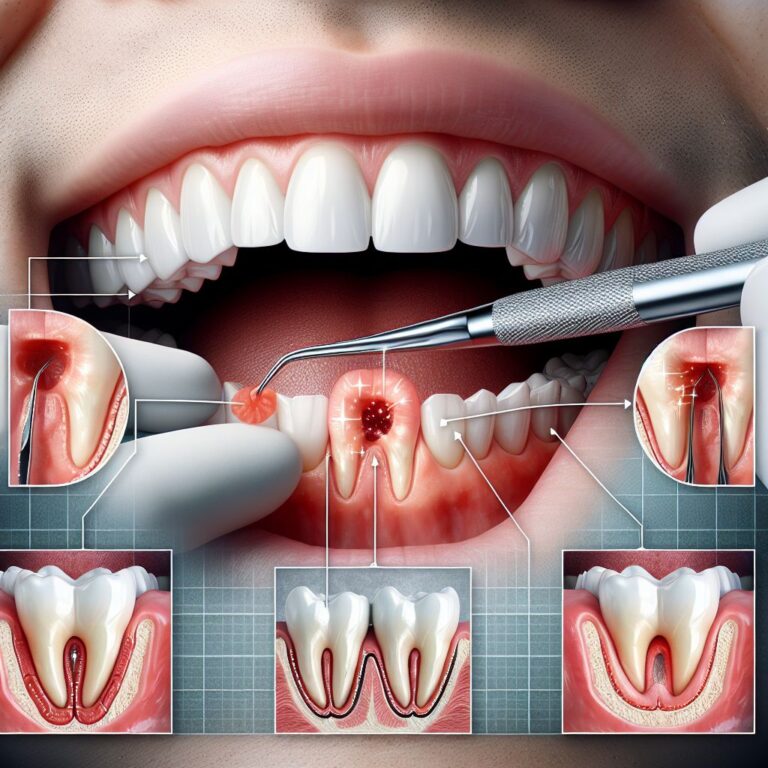
Early gum recession might not cause any symptoms, which is why regular dental check-ups are crucial for early detection. As recession progresses, you’ll likely notice increased tooth sensitivity, especially to hot, cold, or sweet foods and beverages. Visually, your teeth may appear longer than before, and you might see a notch where the gum meets the tooth. When recession becomes severe, the tooth root becomes exposed, creating a darker-colored area near the gumline. This exposure significantly increases your risk of developing root cavities and bone loss. If you can see the junction where your tooth’s enamel meets the root (called the cementoenamel junction), it’s time to seek treatment immediately.
Why Bottom Teeth Are More Vulnerable Than Others
The lower front teeth have anatomical disadvantages that make them particularly vulnerable to recession. The bone in this area is naturally thinner, and the gum tissue covering these teeth is often less robust compared to other areas of your mouth. The positioning of these teeth near salivary gland ducts means they’re more prone to tartar buildup, which can contribute to gum problems. Additionally, many people unconsciously direct more pressure to this area when brushing, creating a “perfect storm” for gum recession. These factors combine to make the bottom anterior region one of the most common sites requiring gum grafting procedures.
5 Ways a Gum Graft Can Save Your Smile
Gum grafting isn’t just a cosmetic procedure – though it certainly improves the appearance of your smile. It’s primarily a functional treatment that addresses both current problems and prevents future complications. When performed by an experienced periodontist, a gum graft can be the difference between keeping your natural teeth for life or facing more invasive and expensive treatments down the road. To learn more about the procedure, you can read this detailed guide on gum tissue graft surgery.
- Halts the progression of recession
- Reduces tooth sensitivity
- Prevents root decay and cavities
- Strengthens the supporting structures around teeth
- Improves the aesthetic appearance of your smile
1. Protects Exposed Tooth Roots From Decay
Unlike the crowns of your teeth, which are protected by hard enamel, tooth roots are covered with a softer material called cementum. When roots become exposed through recession, they’re much more vulnerable to decay and can develop cavities more easily than the visible portions of your teeth. A gum graft provides a natural protective barrier over these vulnerable root surfaces, significantly reducing your risk of developing root cavities. This protection is particularly important for the bottom front teeth, which can be difficult to restore if decay becomes extensive.
2. Reduces Temperature Sensitivity
One of the most immediate benefits patients notice after a successful gum graft is reduced sensitivity to temperature extremes. When tooth roots are exposed, the microscopic tubules in the dentin (the layer beneath enamel) allow hot and cold sensations to reach the nerve inside your tooth, causing that sharp, uncomfortable feeling. By covering these exposed roots with healthy gum tissue, a graft creates an insulating layer that shields the sensitive dentin from temperature changes. Most patients report significant relief from sensitivity within weeks of their procedure, allowing them to enjoy hot coffee or cold ice cream without wincing in pain. For more detailed information on the procedure, you can visit WebMD’s guide on gum tissue graft surgery.
3. Prevents Further Recession and Bone Loss
Left untreated, gum recession doesn’t just stop at a certain point – it continues to worsen over time. As the gums recede, they take with them the supporting bone structure, creating a vicious cycle of deterioration. A properly performed gum graft not only covers the exposed root but also stabilizes the surrounding tissues and helps prevent further loss of bone and gum. This stabilization is crucial for the long-term health of your bottom front teeth, which already have a naturally thinner bone structure than other teeth. By adding thick, healthy tissue where it’s needed most, a graft creates a more resilient foundation that can better withstand the forces of chewing and brushing.
4. Improves Appearance of Your Smile
While health benefits are paramount, the aesthetic improvements from a gum graft shouldn’t be overlooked. Receding gums can make teeth appear unusually long or uneven, creating what some call an “aged” smile. This is particularly noticeable in the bottom front teeth, which are prominently displayed when you speak or smile. A gum graft restores a more balanced, symmetrical appearance to your smile by covering the exposed root surfaces and creating a more natural-looking gumline. Many patients report feeling more confident in their smiles following successful graft procedures, no longer feeling self-conscious about showing their lower teeth.
5. Extends the Lifespan of Your Natural Teeth
The ultimate goal of any dental treatment should be to help you maintain your natural teeth for as long as possible. A gum graft significantly contributes to this goal by addressing a major threat to tooth longevity. By stopping recession and providing protection to vulnerable root surfaces, grafts help prevent the complications that could eventually lead to tooth loss. This preventive approach is far less invasive and costly than the alternatives you might face if teeth become compromised or lost, such as dental implants or bridges. When it comes to your bottom front teeth, which play important roles in both function and aesthetics, preserving them with a timely gum graft is often the most conservative treatment option.
The Gum Grafting Procedure: What Really Happens
Understanding what happens during a gum graft procedure can help alleviate anxiety and prepare you for a successful outcome. While the thought of oral surgery might seem intimidating, modern techniques have made gum grafting more comfortable and predictable than ever before. Northeast Dental Specialists employ the latest minimally invasive approaches to ensure your experience is as smooth as possible.
Types of Grafts Used for Bottom Front Teeth
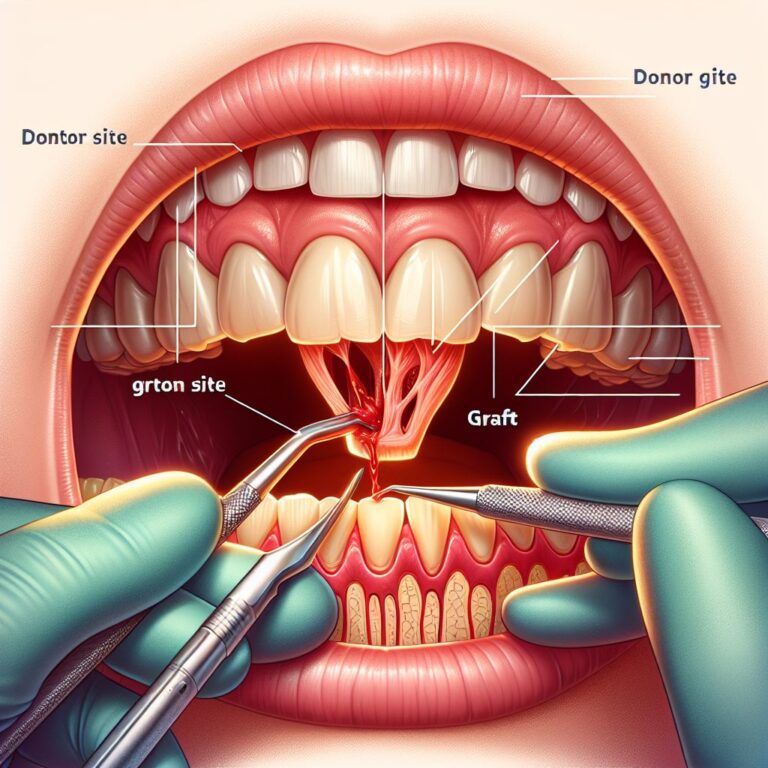
There are three main types of gum grafts used for treating recession, each with specific advantages depending on your situation. Connective tissue grafts are the most common type used for bottom front teeth, involving a small piece of tissue taken from under a flap in the roof of your mouth and stitched over the exposed root. Free gingival grafts use tissue taken directly from the surface of the palate, making them ideal when you need to add thicker tissue to prevent future recession. Pedicle grafts involve sliding adjacent gum tissue over to cover the exposed root, which works well when there’s healthy gum tissue next to the receded area, though this is less commonly used for bottom front teeth due to the limited tissue available in this area.
Step-by-Step Breakdown of the Procedure
The gum grafting procedure typically begins with thorough cleaning of the affected area to ensure no bacteria remain. Your periodontist will then administer local anesthesia to completely numb both the recipient site (where the graft will be placed) and the donor site (typically the palate). For a connective tissue graft, a small flap is created in the roof of your mouth, and a piece of tissue is removed from underneath this flap before the palatal wound is closed with stitches. The harvested tissue is then carefully shaped and positioned over the exposed roots of your bottom front teeth, where it’s secured with tiny sutures designed to minimize discomfort. The entire procedure typically takes between 60-90 minutes, depending on how many teeth require treatment. Throughout the process, your comfort remains a priority, with opportunities to take breaks if needed.
What Anesthesia Options Keep You Comfortable
Most gum graft procedures are performed using local anesthesia, which completely numbs the treatment areas while allowing you to remain awake and responsive. This level of anesthesia is sufficient for most patients and carries the lowest risk. For patients with dental anxiety, conscious sedation options can provide additional comfort without full general anesthesia. This might include oral sedatives taken before your appointment, nitrous oxide (laughing gas) administered during the procedure, or IV sedation for deeper relaxation while still maintaining consciousness.
Your periodontist will discuss these options during your consultation, considering your medical history, anxiety level, and the complexity of your case. Many patients are surprised by how comfortable they remain throughout the procedure, even with just local anesthesia. The roof of the mouth has excellent healing properties, and while you may experience some discomfort at the donor site, it’s typically manageable with over-the-counter pain medications.
Typical Treatment Timeline
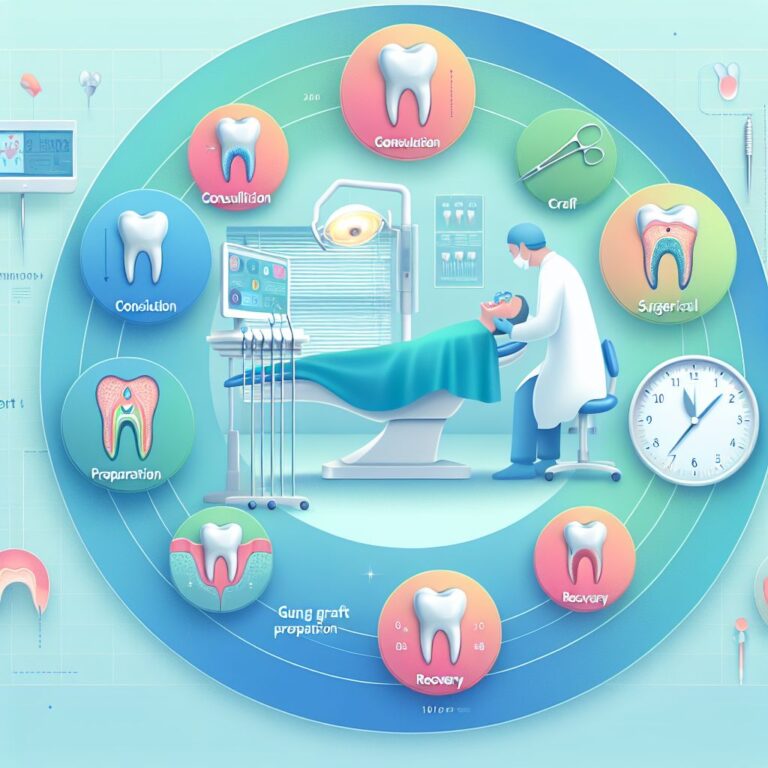
The complete gum graft process extends beyond just the surgical procedure itself. Your journey begins with a comprehensive evaluation appointment where your periodontist assesses the extent of your recession and discusses treatment options. This initial consultation is followed by the grafting procedure, typically scheduled 1-2 weeks later. The actual surgery takes 1-2 hours depending on how many teeth need treatment, with most patients able to return home immediately afterward.
Most patients return for a follow-up appointment about 7-10 days after surgery to check healing progress and possibly remove any remaining sutures. While the initial healing occurs within the first two weeks, complete integration of the graft takes approximately 6-8 weeks. During this time, you’ll gradually return to normal oral hygiene practices and diet as directed by your periodontist. A final evaluation appointment around the 3-month mark confirms the success of the graft and provides guidance on maintaining your results long-term.
Recovery: Easier Than You Might Think
Many patients avoid gum grafting because they fear a difficult recovery period. The reality is that modern techniques and pain management protocols have made recovery from gum grafting much more comfortable than in the past. Most patients are pleasantly surprised by how quickly they’re able to return to their normal activities, with minimal disruption to their daily routines.
First Week After Surgery: What to Expect
The first 24-48 hours after your gum graft are the most critical for proper healing. You’ll likely experience some swelling and minor discomfort, particularly at the donor site on the roof of your mouth if tissue was harvested there. It’s normal to notice some bleeding initially, which should subside by the end of the first day. Most patients can return to work or school within 1-3 days, though you’ll need to follow specific care instructions including avoiding brushing the surgical areas and following a soft food diet.
Typical Recovery Timeline
Days 1-3: Peak discomfort, manage with prescribed medications
Days 4-7: Decreased discomfort, swelling subsides
Days 7-10: Suture removal, healing progresses visibly
Days 10-14: Return to soft but normal diet
Weeks 2-6: Gradual return to normal oral hygiene routine
Week 8: Final healing and tissue maturation complete
By the end of the first week, most of the initial discomfort subsides, and you’ll begin to see visible signs of healing. The graft site on your bottom front teeth will appear pink and slightly swollen but should not be painful to the touch. Any sensitivity you experienced before the procedure may already show improvement as the graft begins to protect the previously exposed roots.
Most patients are surprised by how quickly they adapt to the changes in their mouth. While the roof of your mouth (if used as a donor site) may feel similar to a pizza burn for several days, this sensation diminishes quickly as the area heals. The lower front teeth themselves typically experience minimal discomfort, as the grafted tissue itself doesn’t contain nerve endings.
Pain Management That Actually Works
Managing discomfort after your gum graft is straightforward with the right approach. Your periodontist will typically prescribe pain medication for the first few days, though many patients find over-the-counter options like ibuprofen or acetaminophen sufficient after the first 24 hours. Cold compresses applied to the outside of your face for 20 minutes at a time can significantly reduce swelling and discomfort, especially during the first 48 hours. A specialized periodontal dressing may be placed over the graft site, acting as a bandage to protect the area while it heals.
One of the most effective pain management strategies involves special mouth rinses containing chlorhexidine, which keep the surgical areas clean without disturbing the healing tissues. These antimicrobial rinses not only reduce discomfort but also help prevent infection, which is crucial for successful healing. Many patients also find relief from using topical oral gels containing benzocaine if they experience discomfort at the donor site. The key is staying ahead of any pain by taking medications as prescribed rather than waiting until discomfort becomes significant.
Foods to Eat (and Avoid) During Healing
Your diet plays a crucial role in your recovery process after a gum graft. For the first week, focus on cool, soft foods that require minimal chewing and won’t disturb the surgical sites. Yogurt, smoothies, mashed potatoes, scrambled eggs, pasta, and ice cream are excellent choices during the early healing phase. Protein shakes can help maintain your nutritional needs while restrictions are in place. As healing progresses, you can gradually introduce softer solid foods, but continue to avoid chewing directly with the grafted area for at least 2-3 weeks.
Foods to strictly avoid include anything spicy, acidic, or with small seeds that could become lodged in the surgical sites. Hard, crunchy foods like chips, nuts, and crusty bread should be eliminated until your periodontist gives you clearance to resume normal eating. Hot foods and beverages should also be avoided during the first week as they can increase bleeding and swelling. Alcohol and tobacco products significantly impair healing and should be avoided completely during your recovery period. Most patients can return to their normal diet within 2-3 weeks, though you’ll need to continue being cautious around the treated area for a full month.
Cost vs. Benefit: Is It Worth the Investment?
When considering a gum graft for your bottom front teeth, understanding the financial aspects helps put the procedure in perspective. While there is an upfront cost, comparing this investment to the long-term expenses of ignoring gum recession reveals why many dental professionals recommend addressing the issue sooner rather than later. The true value of a gum graft extends far beyond the immediate improvement in appearance.
Average Price Range for Front Teeth Grafts
The cost of gum grafting for bottom front teeth typically ranges from $600-$1,200 per tooth, with most patients needing treatment for multiple adjacent teeth. This price variation depends on several factors including the severity of recession, the type of graft used, your geographic location, and the specialist’s experience level. Many periodontists offer package pricing when multiple teeth require treatment, which can reduce the per-tooth cost. Additional expenses may include initial consultation fees, any necessary pre-surgical treatments, and follow-up appointments.
While this may seem significant, consider that the alternative—progressive recession leading to tooth loss—ultimately costs far more to address. Replacing a single tooth with an implant can cost $3,000-$6,000, making prevention through grafting the more economical choice in the long run. Additionally, many practices offer payment plans or financing options to make the procedure more accessible, allowing you to spread the cost over time while gaining the benefits immediately.
Insurance Coverage Possibilities
Dental insurance coverage for gum grafts varies widely between providers and plans. Many insurance companies classify gum grafting as a periodontal procedure rather than a cosmetic one, particularly when recession threatens tooth health or causes symptoms like sensitivity. If your dentist or periodontist determines the graft is medically necessary, insurance may cover 50-80% of the procedure after any applicable deductibles. Most plans have annual maximums between $1,000-$2,000, which may limit coverage if multiple teeth require treatment.
To maximize your benefits, work with your periodontist’s office staff to verify coverage before treatment begins. They can help submit pre-treatment estimates to determine your expected out-of-pocket costs. Some patients also benefit from using Health Savings Accounts (HSAs) or Flexible Spending Accounts (FSAs) to pay for treatment with pre-tax dollars, effectively reducing the overall cost. Remember that postponing treatment rarely makes financial sense, as insurance coverage doesn’t improve with time, and the condition will likely require more extensive intervention if delayed.
Long-Term Savings Compared to Other Treatments
The true value of gum grafting becomes apparent when considering the alternatives. Progressive gum recession eventually leads to tooth mobility, decay of exposed roots, and ultimately tooth loss. The costs associated with these complications far exceed the price of a preventive graft. A single tooth replacement with an implant, crown, and necessary bone grafting can easily cost 3-5 times more than treating recession with a gum graft. Even more conservative treatments like fillings for root cavities require ongoing maintenance and eventual replacement, creating recurring expenses.
Beyond the direct financial comparison, consider the non-monetary costs of delaying treatment. These include continued discomfort from sensitivity, additional time spent at dental appointments for complications, and the psychological impact of an altered smile appearance or eventual tooth loss. When viewed as an investment in your long-term oral health and overall wellbeing, gum grafting for your bottom front teeth offers exceptional value that extends far beyond the immediate improvement in comfort and aesthetics.
When to Consider Alternatives Instead
While gum grafting is often the gold standard for treating recession, it’s not always the only option. Understanding when alternative approaches might be appropriate can help you make an informed decision about your treatment. In some cases, less invasive techniques may provide sufficient improvement, particularly for mild recession or patients with specific health concerns.
Minor Recession: Watch and Wait Approach
For very mild cases of recession (1-2mm) without symptoms like sensitivity or aesthetic concerns, your dentist might recommend a monitoring approach rather than immediate surgical intervention. This typically involves modified brushing techniques using a soft-bristled toothbrush, specialized toothpaste for sensitive teeth, and regular professional cleanings to prevent further recession. Your dentist will take measurements and photographs at each checkup to track any changes, allowing for intervention if the condition worsens.
This conservative approach works best for patients with excellent oral hygiene habits and minimal risk factors for progressive recession. It’s important to understand that this strategy doesn’t reverse existing recession but aims to prevent further tissue loss. If symptoms develop or measurements show continued recession despite these preventive measures, grafting will likely be recommended before the condition advances to a more serious stage requiring more extensive treatment.
Pinhole Surgical Technique
The Pinhole Surgical Technique (PST) offers a minimally invasive alternative to traditional gum grafting for suitable candidates. Instead of harvesting tissue from the palate, this procedure involves making a tiny hole in the existing gum tissue above the receded areas. Special instruments are then used to gently loosen the gum tissue and reposition it to cover the exposed root surfaces. The technique eliminates the need for incisions, sutures, or donor tissue from another site in your mouth, significantly reducing post-operative discomfort and recovery time.
When Treatment Can Be Safely Delayed
In certain situations, temporarily postponing gum graft treatment may be appropriate. If you’re pregnant, your dentist will likely recommend waiting until after delivery unless the recession is causing significant problems, as pregnancy hormones can complicate healing. Patients with uncontrolled diabetes or other systemic conditions affecting healing may need to focus on improving their overall health before undergoing elective periodontal procedures. Additionally, if you’re planning other major dental work in the near future, your dental team might develop a comprehensive treatment plan that sequences procedures in the most efficient order.
Even when delaying full surgical intervention, it’s crucial to implement protective measures in the meantime. These might include using prescription-strength fluoride products to prevent root decay, wearing a nightguard if grinding is contributing to recession, and making modifications to your oral hygiene routine to prevent further damage. Regular monitoring remains essential during any delay period to ensure the condition doesn’t deteriorate to a point where more extensive treatment becomes necessary.
Make Your Graft Last: Success Depends on These Factors
The long-term success of your gum graft depends significantly on how well you care for your mouth during healing and beyond. With proper maintenance, a gum graft can provide permanent protection for your bottom front teeth. Understanding the factors that influence graft longevity helps you maximize your investment in this treatment and maintain healthier gums for years to come.
The most successful outcomes occur when patients combine excellent home care with regular professional maintenance. Your periodontist will provide specific instructions tailored to your situation, but certain principles apply to most graft patients. Consistency is key—even occasional lapses in care can compromise graft health, particularly in the early months following the procedure.
- Use an ultra-soft toothbrush for at least 6 months after surgery
- Avoid aggressive flossing techniques around grafted areas
- Maintain regular 3-4 month professional cleaning appointments
- Wear a nightguard if you grind or clench your teeth
- Eliminate tobacco products completely
- Address any bite issues that place excess force on front teeth
Factors beyond your control also influence graft success, including the natural thickness of your gum tissue, your body’s healing capacity, and the severity of the original recession. However, most patients who follow recommended care protocols experience excellent long-term results, with success rates exceeding 90% for appropriately selected cases.
Proper Brushing Techniques That Won’t Damage Grafts
The way you brush your teeth plays a crucial role in preserving your gum graft and preventing future recession. The roll technique is particularly effective for grafted areas—place the bristles at a 45-degree angle to the gums, then gently roll the brush toward the biting surface of the tooth. This method cleans effectively while minimizing trauma to the delicate gum margin. Use only ultra-soft bristled toothbrushes, as even “soft” commercial brushes can be too abrasive for healing or vulnerable gum tissues.
Electric toothbrushes can be used after the initial healing period (typically 6-8 weeks), but choose models with pressure sensors that alert you if you’re brushing too aggressively. Regardless of brush type, remember that effectiveness comes from proper technique and thoroughness rather than force or scrubbing. Spend at least 30 seconds on your lower front teeth alone, using short, gentle strokes. Your periodontist may also recommend specialized tools like end-tuft brushes or proxy brushes for cleaning around the graft site without disturbing the delicate tissues.
Professional Maintenance Schedule
After investing in a gum graft, regular professional maintenance becomes even more important than before. Most periodontists recommend more frequent cleaning appointments—typically every 3-4 months rather than the standard 6-month interval—at least for the first year following your procedure. These appointments allow for professional assessment of the graft’s integration and early intervention if any issues arise. Your hygienist will use specialized instruments and techniques appropriate for cleaned grafted areas, as traditional scaling methods can damage newly established tissues. Additionally, these visits provide opportunities to refine your home care techniques and address any concerns before they affect your graft’s success.
Signs That Your Graft Is Healing Properly
Understanding what healthy healing looks like helps you identify potential problems early. In the first week after surgery, the graft site will appear red or pink and slightly swollen, with a fibrin layer (a yellowish-white film) that protects the healing tissues. By weeks 2-3, this layer disappears, revealing pink tissue that becomes progressively firmer. The graft should maintain its position covering the previously exposed root surfaces, with no signs of receding from its original placement. The tissue color gradually transitions from bright pink to match your surrounding gums, usually within 4-6 weeks. You should notice decreasing sensitivity to temperature as healing progresses, though complete resolution may take several months as the graft fully integrates with your natural tissues. Any persistent redness, increasing rather than decreasing pain, or visible recession of the grafted tissue should be reported to your periodontist immediately, as these may indicate complications requiring intervention.
The Bottom Line: When a Gum Graft Is Right for You
Deciding whether to proceed with a gum graft for your bottom front teeth ultimately comes down to balancing several factors: the severity of your recession, symptoms you’re experiencing, aesthetic concerns, long-term dental health goals, and financial considerations. The best candidates for gum grafting typically have moderate to severe recession (3mm or more), experience sensitivity or discomfort, are concerned about the appearance of “long” teeth, or have been advised that their teeth are at risk without intervention. While the procedure requires an initial investment of time and resources, the potential benefits—protecting your natural teeth, eliminating sensitivity, improving appearance, and preventing more costly treatments later—often make it the most sensible choice for long-term oral health. Working closely with a skilled periodontist allows you to develop a personalized treatment plan that addresses your specific needs and concerns, giving you the best possible outcome and helping you maintain a healthy, comfortable smile for years to come.
Frequently Asked Questions
Patients considering gum grafts for their bottom front teeth often have similar questions about what to expect before, during, and after the procedure. Here are straightforward answers to the most common concerns, helping you feel more confident in your treatment decisions.
How painful is a gum graft on bottom front teeth?
During the procedure itself, you’ll feel no pain thanks to local anesthesia that completely numbs both the treatment area and the donor site. After the procedure, most patients experience mild to moderate discomfort rather than severe pain, typically rating it around 3-5 on a 10-point scale. The donor site on the roof of your mouth (if used) generally causes more discomfort than the graft site itself, often described as feeling similar to a pizza burn. This discomfort peaks during the first 48 hours and then steadily improves. Most patients manage well with over-the-counter pain medications after the first day or two, though your periodontist will prescribe stronger options if needed. Cold compresses, avoiding hot foods, and following post-operative instructions carefully all help minimize discomfort during recovery.
Will my teeth look different after a gum graft?
Yes, and most patients consider this a significant benefit of the procedure. After successful healing, your teeth will appear shorter and more proportional as the grafted tissue covers previously exposed root surfaces. The uneven or “long-toothed” appearance caused by recession is replaced by a more symmetrical, natural-looking gumline. The color and texture of the grafted tissue will closely match your surrounding gums within a few months of the procedure. Many patients report feeling more confident in their smile following gum grafting, no longer feeling self-conscious about receded areas or exposed roots. Beyond aesthetics, the protective coverage provided by the graft eliminates the darker appearance of exposed roots, creating a more uniform color throughout your smile.
How long before I can eat normally after a gum graft?
Your diet will need modification for approximately 2-3 weeks following a gum graft, with the most significant restrictions during the first week. For the initial 24-48 hours, stick to cool, soft foods that require minimal chewing—yogurt, smoothies, ice cream, mashed potatoes, and similar options. During the first week, avoid chewing near the graft site completely, instead using your back teeth or the opposite side of your mouth. As healing progresses during the second week, you can gradually introduce softer solid foods, but continue avoiding anything hard, crunchy, spicy, or with small seeds that could disrupt the healing tissues. Most patients can return to their regular diet by the third or fourth week, though your periodontist may advise continued caution with particularly hard or sticky foods until the graft has fully matured, which takes approximately 6-8 weeks.
Can receding gums grow back without surgery?
Unfortunately, true gum recession cannot reverse itself or grow back naturally once it has occurred. Unlike some tissues in your body that can regenerate, gum tissue doesn’t have the ability to regrow once it has receded from the tooth surface. While improving oral hygiene practices and addressing contributing factors like aggressive brushing can help prevent further recession, these measures cannot restore tissue that has already been lost. Some early-stage gum inflammation may appear to improve with better care as swelling decreases, creating the illusion of tissue recovery, but actual recession requires surgical intervention to correct. For very minor recession (1-2mm) without symptoms or aesthetic concerns, a “watch and wait” approach might be appropriate, but this only aims to prevent worsening rather than achieve improvement. Significant recession on bottom front teeth almost always requires grafting to restore proper coverage and protection.
What happens if I don’t get a recommended gum graft?
Choosing not to proceed with a recommended gum graft has several potential consequences that worsen over time. Without intervention, recession typically continues to progress, exposing more of the tooth root and potentially leading to increased sensitivity, especially to hot and cold temperatures. The exposed roots are more vulnerable to decay, as they lack the protective enamel covering that crowns have, often resulting in cavities that can be difficult to restore effectively. As recession advances, the supporting bone around the tooth begins to deteriorate, eventually causing the tooth to become mobile and potentially leading to tooth loss. Additionally, continued recession can create an aged appearance to your smile as more tooth structure becomes visible. While the timeline varies between individuals, significant recession left untreated for years almost always leads to complications that require more extensive and expensive treatments than the originally recommended graft.
Understanding both the benefits of treatment and the risks of postponing it helps you make an informed decision about gum grafting for your bottom front teeth. Most dental professionals recommend addressing recession before it advances to stages requiring more invasive interventions. Early treatment typically provides better aesthetic results, more predictable outcomes, and more comfortable recovery experiences.