
Article-At-A-Glance: Dental Implant Qualification
- Sufficient jawbone density and healthy gum tissue are essential requirements for successful dental implant placement in Colorado.
- Your overall health status plays a crucial role in determining implant candidacy, with uncontrolled medical conditions like diabetes potentially disqualifying patients.
- Colorado Gum Care specialists use advanced 3D imaging to assess bone quality and determine if preliminary treatments like bone grafting are necessary.
- Smoking and tobacco use significantly reduce implant success rates, with most Colorado periodontists requiring cessation before proceeding with treatment.
- Special financing options and payment plans are available at many Colorado dental practices to help make dental implants more accessible.
Missing teeth can affect everything from your confidence to your ability to eat comfortably. Dental implants offer a permanent solution that looks and functions like natural teeth, but not everyone automatically qualifies for this life-changing procedure. Colorado Gum Care specializes in helping patients determine their eligibility for dental implants through comprehensive evaluation and personalized treatment planning.
Understanding whether you’re a good candidate for dental implants involves several important health factors and considerations. While many patients can successfully receive implants, others may require preliminary treatments to prepare their mouth for optimal implant success. This checklist will guide you through the qualification process and help you understand what Colorado dentists look for when evaluating potential implant patients.
Do You Meet These Essential Requirements for Dental Implants in Colorado?
Before scheduling your consultation with a Colorado periodontist, it’s helpful to understand the basic requirements for dental implant candidacy. While each case is unique, most successful implant patients share certain characteristics that contribute to positive outcomes. These qualifications aren’t meant to discourage potential patients but rather to ensure the highest possible success rates and avoid complications.
The altitude and climate in Colorado can affect healing processes, making it especially important to work with specialists who understand these regional factors. Colorado Gum Care’s board-certified periodontists have extensive experience placing implants in this unique environment and can provide guidance tailored to local conditions. They offer comprehensive evaluations that assess all aspects of your oral and overall health to determine if implants are right for you.
The 5 Health Factors That Determine Your Dental Implant Candidacy
Several key health factors will significantly impact your eligibility for dental implants. These factors are assessed during your initial consultation and help determine whether you can proceed with implant surgery immediately or if preliminary treatments are necessary first.
1. Sufficient Jawbone Density and Volume
The foundation of successful dental implants is adequate jawbone structure. Dental implants are titanium posts surgically placed into your jawbone, which then fuse with the bone through a process called osseointegration. This fusion creates a stable foundation for your replacement teeth. Without sufficient bone density and volume, implants may fail to integrate properly.
When teeth are missing for extended periods, the jawbone naturally begins to deteriorate in those areas due to lack of stimulation. Colorado Gum Care’s specialists use advanced 3D imaging technology to precisely measure your bone dimensions and density. If your jawbone has experienced significant deterioration, bone grafting procedures may be recommended before implant placement can occur.
2. Healthy Gum Tissue Free From Periodontal Disease
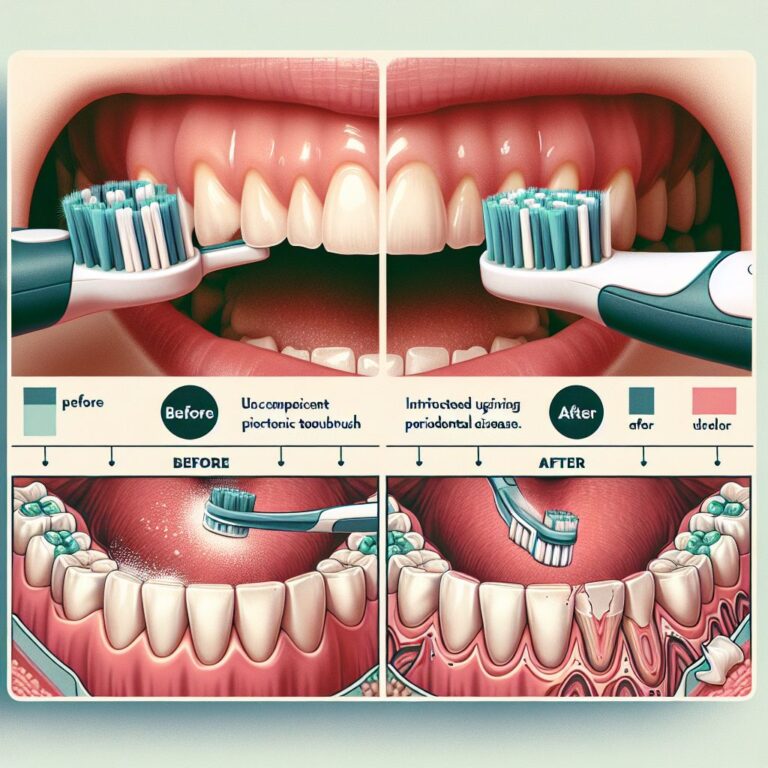
The health of your gum tissue plays a critical role in implant success. Periodontal (gum) disease is an infection that damages the soft tissue and can destroy the bone supporting your teeth. Active gum disease must be treated and resolved before implant surgery can be considered.
During your evaluation at Colorado Gum Care, our periodontists will thoroughly examine your gum health, measuring pocket depths and assessing inflammation levels. If gum disease is present, treatments such as scaling and root planing, laser therapy, or in severe cases, osseous surgery may be recommended to restore gum health before proceeding with implants.
Warning Signs of Gum Disease That May Affect Implant Candidacy:
• Bleeding gums during brushing or flossing
• Persistent bad breath
• Red, swollen, or tender gums
• Receding gumline
• Loose teeth or changes in bite alignment
3. Good Overall Health Status
Dental implant surgery is a medical procedure requiring good general health for proper healing. While age itself isn’t typically a limiting factor, your overall health status matters significantly. Most healthy adults who can safely undergo routine dental procedures are likely candidates for implants.
4. Commitment to Proper Oral Hygiene
Long-term implant success depends heavily on maintaining excellent oral hygiene. Patients must demonstrate a willingness and ability to care for their implants through consistent brushing, flossing, and regular dental check-ups. Colorado’s dry climate can sometimes contribute to dry mouth conditions, making diligent oral care even more crucial for implant patients in this region.
During your consultation, your periodontist will evaluate your current oral hygiene practices and provide guidance on proper implant care techniques. Patients unwilling or unable to maintain good oral hygiene may not be ideal candidates for implants, as poor maintenance can lead to complications like peri-implantitis, an inflammatory condition affecting the tissues surrounding the implant.
5. No Uncontrolled Medical Conditions
Certain health conditions can significantly impact implant healing and success rates. Uncontrolled diabetes, autoimmune disorders, and some cardiovascular conditions may interfere with proper osseointegration or increase infection risk. Medications like bisphosphonates (used for osteoporosis) and some immunosuppressants can also affect bone healing.
Your Colorado Gum Care specialist will review your medical history thoroughly and may consult with your primary care physician if necessary. Having a medical condition doesn’t automatically disqualify you from implant treatment, but proper management and control of these conditions prior to surgery is essential for optimal outcomes.
What Colorado Dentists Look For During Your Implant Evaluation
When you visit a Colorado periodontist for an implant consultation, you can expect a comprehensive evaluation process designed to assess your candidacy from multiple angles. This thorough approach helps determine whether you can proceed directly to implant placement or if preliminary treatments are needed first.
Comprehensive Oral Examination Process
Your initial evaluation will include a detailed assessment of your oral cavity, examining existing teeth, gum health, bite alignment, and any signs of infection or disease. The periodontist will check for issues like tooth decay, cracked teeth, or failed dental work that might need addressing before implant surgery. They’ll also evaluate the spacing available for implants and determine how many implants might be necessary to support your restoration goals.
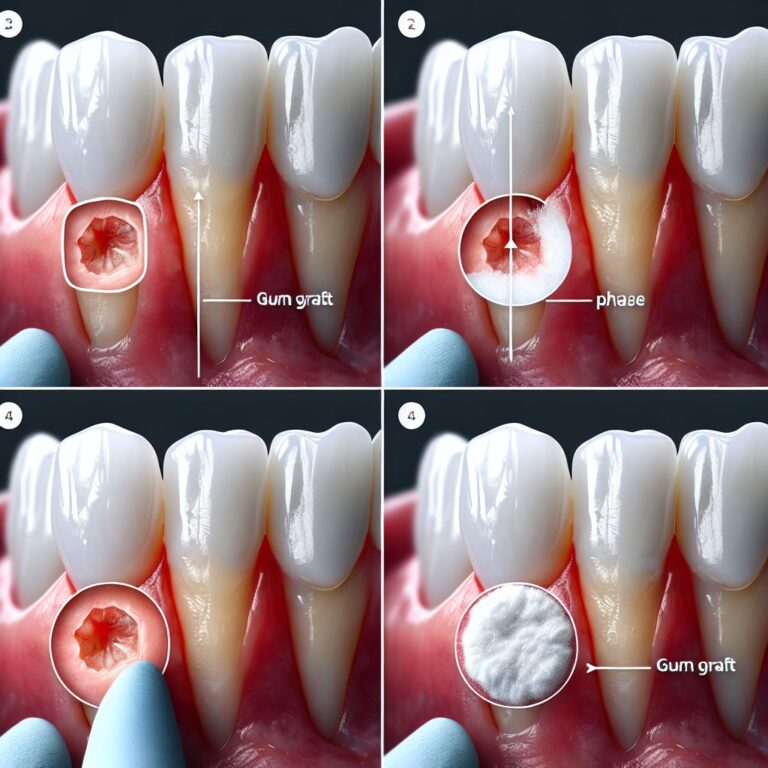
At Colorado Gum Care, our specialists pay particular attention to the soft tissue quality surrounding potential implant sites. Healthy, thick gum tissue provides better aesthetics and helps protect the underlying bone. If your gum tissue is thin or insufficient, soft tissue grafting may be recommended as part of your treatment plan.
3D Imaging and Bone Assessment Techniques
Modern implant planning relies heavily on advanced imaging technologies that provide detailed views of your oral structures. Cone Beam Computed Tomography (CBCT) scans create three-dimensional images of your jawbone, allowing periodontists to precisely measure bone dimensions and identify anatomical landmarks like nerve locations and sinus cavities.
These 3D images help determine if you have sufficient bone for implant placement and allow for precise planning of implant position and angulation. Colorado Gum Care utilizes state-of-the-art imaging technology to create customized treatment plans that maximize existing bone and minimize the need for extensive bone grafting when possible.
Potential Need for Preliminary Treatments
Based on your comprehensive evaluation, your periodontist may recommend preparatory procedures before implant placement. These might include tooth extractions, periodontal therapy to resolve gum disease, or various types of bone or soft tissue grafting. While these additional steps extend your overall treatment timeline, they significantly improve long-term implant success rates.
For patients with extensive dental needs, Colorado Gum Care offers coordinated care with restorative dentists to ensure all aspects of oral health are addressed in the proper sequence. This collaborative approach results in more predictable outcomes and comprehensive care that addresses both the functional and aesthetic aspects of your smile.
When Bone Grafting Becomes Necessary Before Implant Surgery
Many prospective implant patients require bone augmentation procedures to create a suitable foundation for implants. Understanding when and why bone grafting is necessary helps set realistic expectations about your treatment journey.
Signs Your Jawbone Needs Reinforcement
Several clinical indicators suggest bone grafting may be necessary before implant placement. If you’ve been missing teeth for many years, your jawbone in those areas has likely experienced significant resorption (deterioration). The upper jaw, especially near the sinuses, tends to lose bone volume more quickly than the lower jaw, often requiring sinus lift procedures before implants can be placed.
Previous traumatic tooth extractions, failed dental implants, or a history of periodontal disease can all contribute to bone loss that necessitates grafting. During your evaluation at Colorado Gum Care, 3D imaging will reveal the exact dimensions of your remaining bone and help determine the type and extent of grafting needed to support successful implants.
Types of Bone Grafting Procedures Available in Colorado
Colorado Gum Care offers several advanced bone grafting techniques depending on your specific needs. Socket preservation grafts are performed immediately after extraction to prevent bone loss, while ridge augmentation procedures rebuild width and height in areas where bone has already deteriorated. For upper jaw implants, sinus lift procedures may be necessary to create adequate bone height without encroaching on the sinus cavity.
The source material for bone grafts varies based on your specific case. Autografts (using your own bone), allografts (processed donor bone), xenografts (animal-derived bone), and synthetic options are all available. Your periodontist will recommend the most appropriate option based on the extent of grafting needed, your medical history, and personal preferences.
Recovery Timeline After Bone Grafting
The healing period following bone grafting is crucial for implant success. Minor grafting procedures typically require 3-4 months of healing before implant placement, while more extensive grafts may need 6-9 months. During this time, the graft material integrates with your natural bone, creating a solid foundation for your future implants. Colorado’s higher altitude and drier climate can sometimes affect healing timelines, which your local specialist will account for in your treatment plan.
Following your bone graft, you’ll receive detailed instructions on activity restrictions, dietary guidelines, and oral hygiene protocols. Adhering strictly to these recommendations helps ensure optimal healing and reduces the risk of complications. Most patients can return to normal activities within a few days, though strenuous exercise should be avoided for at least a week.
Success Rates and Outcomes
When performed by experienced specialists like those at Colorado Gum Care, bone grafting procedures have high success rates. Studies show that properly executed bone grafts can achieve a 95% success rate in creating suitable foundations for dental implants. The combination of advanced grafting techniques and precise 3D-guided implant placement has dramatically improved outcomes even for patients with significant bone loss.
Patients should understand that bone grafting extends the overall implant timeline but significantly improves long-term implant stability and aesthetics. The investment in proper bone foundation pays dividends in implant longevity and natural-looking results.
Colorado-Specific Insurance and Payment Options for Implants
Understanding the financial aspects of dental implant treatment is an important part of your decision-making process. While dental implants represent a significant investment, their longevity and quality-of-life benefits make them cost-effective over time compared to alternatives requiring frequent replacement.
Health First Colorado Coverage Limitations
Health First Colorado (Colorado’s Medicaid program) provides limited coverage for dental services, but comprehensive implant treatment is rarely covered. In some cases, certain preliminary procedures like extractions or treatment for gum disease may qualify for coverage. Colorado Gum Care’s administrative team can help verify your benefits and identify any procedures that might be partially covered under your plan.
For patients with Health First Colorado coverage, it’s important to explore supplemental options for covering implant-related expenses. Your periodontist’s office may offer guidance on applying for additional assistance programs or financing arrangements to make treatment more accessible.
Private Insurance Considerations
Many private dental insurance plans offer partial coverage for implant procedures, though benefit structures vary widely. Some plans cover only certain aspects of treatment, such as the restoration (crown) portion but not the surgical implant placement. Annual maximums typically range from $1,000-$2,000, covering only a portion of comprehensive implant treatment.
Colorado Gum Care works with most major insurance providers and can perform a detailed benefits verification before treatment begins. Their team will help maximize your available benefits and provide a clear understanding of your out-of-pocket responsibilities.
Financing Plans Offered by Colorado Dental Practices
To make dental implants more accessible, many Colorado practices offer flexible payment options and third-party financing. CareCredit and similar healthcare credit programs provide specific dental financing with deferred interest options for qualified patients. These plans allow you to begin treatment immediately while making affordable monthly payments over time.
Colorado Gum Care offers in-house payment plans tailored to your budget and treatment timeline. For extensive implant cases, phased treatment approaches can help distribute costs over a longer period while still progressing toward your ultimate goal of full smile restoration.
Tax-Advantaged Payment Methods
Don’t overlook potential tax advantages when planning for implant treatment. Health Savings Accounts (HSAs) and Flexible Spending Accounts (FSAs) allow you to use pre-tax dollars for qualified medical expenses, including dental implants. This approach can effectively reduce your treatment costs by your tax rate percentage, depending on your specific tax situation.
For self-employed Coloradans, certain dental expenses may qualify as business deductions if properly documented. Consulting with a tax professional before beginning extensive dental work can help identify all possible tax advantages available to you.
Special Considerations for High-Risk Patients
Certain factors can increase the complexity of implant treatment and affect long-term success rates. Understanding these risk factors helps you and your periodontist develop appropriate strategies to optimize outcomes.
Smokers and Tobacco Users
Tobacco use significantly impacts implant success rates, with studies showing failure rates 2-3 times higher among smokers. Nicotine restricts blood flow to the gums and jawbone, impairing healing and osseointegration. The chemicals in tobacco products also increase infection risk and can contribute to peri-implantitis, a serious inflammatory condition affecting implant longevity.
Most Colorado implant specialists, including Colorado Gum Care, require patients to quit smoking at least two weeks before surgery and throughout the healing period. For the best long-term results, permanent cessation is strongly recommended. Support resources for quitting are readily available throughout Colorado and may be covered by health insurance.
Patients with Diabetes
Diabetes affects wound healing and increases infection susceptibility, potentially compromising implant success. However, patients with well-controlled diabetes can still achieve excellent outcomes with proper precautions. Colorado Gum Care works closely with patients’ primary care physicians to ensure optimal blood sugar control before, during, and after implant procedures.
For diabetic patients, more frequent follow-up appointments may be recommended to monitor healing progress. Maintaining strict glycemic control and following enhanced oral hygiene protocols are essential components of successful implant treatment for individuals with diabetes.
Those with Autoimmune Disorders
Autoimmune conditions like rheumatoid arthritis and lupus present unique challenges for implant treatment. The immune system dysfunction and medications used to manage these conditions can affect bone metabolism and healing capacity. Additionally, some autoimmune disorders directly impact connective tissues, potentially affecting gum health and bone stability.
Colorado specialists with experience treating medically complex patients can develop modified treatment protocols to accommodate these challenges. This might include extended healing periods, additional supportive therapies, or medication adjustments in consultation with your rheumatologist or immunologist.
Medication Interactions to Discuss with Your Dentist
Several medications can influence implant surgery outcomes and should be thoroughly discussed during your consultation. Bisphosphonates (used for osteoporosis) and certain cancer treatments can affect bone healing and remodeling, potentially increasing the risk of a rare but serious condition called medication-related osteonecrosis of the jaw (MRONJ). Blood thinners require careful management around surgical procedures to balance bleeding risk with thrombotic concerns.
Always provide your dental team with a complete, up-to-date medication list, including over-the-counter supplements. Colorado Gum Care’s specialists collaborate with primary care providers and specialists to ensure safe coordination of care for patients with complex medication regimens.
The All-on-4 Alternative for Challenging Cases
For patients with significant bone loss or those seeking to avoid extensive bone grafting, the All-on-4 implant technique offers an innovative solution. This approach has revolutionized full-arch restoration, particularly for patients previously told they weren’t candidates for traditional implants.
Colorado Gum Care specializes in this advanced technique, providing life-changing results for patients seeking efficient, permanent solutions to extensive tooth loss. The streamlined approach reduces overall treatment time while delivering exceptional functional and aesthetic outcomes.
How All-on-4 Differs from Traditional Implants
The All-on-4 technique uses just four strategically placed implants to support an entire arch of replacement teeth, unlike traditional approaches that might require 6-8 implants per arch. The posterior implants are placed at angles to maximize contact with available bone and avoid anatomical structures like the sinuses or nerve canals. This angled placement eliminates the need for extensive bone grafting in many cases, even for patients with significant atrophy in the posterior jaw regions.
Who Makes an Ideal Candidate for All-on-4 in Colorado
All-on-4 is particularly suitable for patients missing all teeth in an arch or those with severely compromised remaining teeth. Candidates typically have adequate bone in the anterior jaw region but may lack sufficient posterior bone height or width for conventional implants. This technique is also ideal for patients seeking to transition from removable dentures to fixed teeth with minimal treatment time.
Colorado residents who desire immediate functionality appreciate that All-on-4 typically allows for same-day provisional teeth, eliminating the extended period of living without teeth that traditional implant protocols might require. The procedure’s efficiency also appeals to those with busy schedules or those traveling from remote mountain communities for treatment.
Cost Comparison with Standard Implant Procedures
While the upfront cost of All-on-4 treatment is significant, it’s often more economical than placing multiple individual implants with extensive preparatory grafting. By eliminating or reducing the need for bone grafting and using fewer implants, the All-on-4 approach can provide substantial cost savings compared to traditional full-arch reconstruction. Colorado Gum Care offers detailed treatment comparisons during consultations to help patients understand the financial implications of different restoration options.
Take These Steps to Prepare for Your Dental Implant Journey
If you’re considering dental implants, several preparatory steps can help optimize your experience and outcomes. Start by scheduling a consultation with a board-certified periodontist who specializes in implant placement. Bring your complete medical and dental history, including records of previous treatments and any recent x-rays. If you smoke or use tobacco products, commit to quitting at least two weeks before your procedure. For patients with chronic health conditions like diabetes, work with your primary care provider to ensure optimal control before surgery. Finally, arrange for time off work and assistance at home during the initial recovery period, particularly if you’ll be undergoing sedation or multiple procedures simultaneously.
Frequently Asked Questions
As you consider dental implants, you likely have questions about what to expect throughout the process. Colorado Gum Care’s implant specialists have compiled answers to the most common questions they receive from patients considering this life-changing treatment.
Understanding these aspects of implant treatment helps set realistic expectations and prepares you for a successful experience. Remember that your periodontist’s recommendations are based on their clinical expertise and personalized assessment of your specific situation. For more information on dental benefits, you can visit the Department of Health Care Policy and Financing.
The following FAQs address Colorado-specific concerns that may not apply to implant patients in other regions. Your local specialist is best equipped to address the unique considerations relevant to dental implant treatment in Colorado’s environment.
How long do dental implants last in Colorado’s climate?
Dental implants placed by qualified specialists have exceptional longevity, with studies showing success rates above 95% at 10 years. Colorado’s dry climate can actually be beneficial for implant longevity, as humidity sometimes contributes to bacterial growth that can compromise implant health. With proper maintenance and regular professional care, many patients enjoy their implants for decades or even a lifetime.
The key to maximizing implant lifespan is diligent home care and regular professional maintenance. Colorado Gum Care recommends professional cleanings every 3-4 months for implant patients, especially during the first year after placement, to ensure optimal tissue health around the implants.
What’s the typical waiting period between extraction and implant placement?
The timeline between extraction and implant placement varies based on individual circumstances. In some cases, immediate implant placement can occur at the same appointment as extraction. More commonly, a healing period of 3-4 months allows for proper bone and tissue healing before implant surgery. When significant infection was present or bone grafting is required, the waiting period may extend to 6-9 months to ensure an optimal foundation for your implant.
Can seniors on Medicare qualify for dental implants in Colorado?
Traditional Medicare does not cover dental implants as they’re considered elective dental procedures rather than medical necessities. However, some Medicare Advantage plans available in Colorado offer limited dental benefits that might partially cover certain aspects of implant treatment. Colorado Gum Care works with many seniors to identify alternative payment options, including specialized financing programs designed for those on fixed incomes.
Is sedation dentistry available for implant procedures in Colorado?
Colorado Gum Care offers multiple sedation options for implant patients, ranging from nitrous oxide (laughing gas) to oral conscious sedation and IV sedation administered by qualified professionals. These options help anxious patients comfortably receive the care they need without the stress and discomfort they might otherwise experience. Your periodontist will discuss sedation options based on your anxiety level, medical history, and the complexity of your planned procedures.
How does altitude affect healing after dental implant surgery?
Colorado’s higher elevation can influence healing after implant surgery. The lower oxygen levels at altitude may slightly extend healing timelines for some patients, particularly those not acclimated to elevation. Additionally, the dry air common in Colorado can affect tissue hydration, making it especially important to follow post-operative hydration recommendations. Colorado Gum Care’s specialists are experienced in managing these altitude-specific considerations and provide tailored post-operative instructions for optimal healing in our unique environment.
If you’re traveling to Colorado specifically for dental implant treatment, your specialist may recommend arriving several days before surgery to acclimate to the altitude and staying locally during the initial healing phase for proper monitoring.
Taking the first step toward dental implants begins with a thorough evaluation by a qualified specialist. Colorado Gum Care’s team of board-certified periodontists specializes in helping patients determine their implant candidacy and developing personalized treatment plans that address their unique oral health needs.