
Article-At-A-Glance: Gum Graft Recovery
- Most patients can expect a full recovery from a gum graft procedure within 1-2 weeks, though complete tissue maturation takes up to 6 months
- The first 24-48 hours after surgery are critical for clot formation and require careful management of bleeding, pain, and swelling
- A soft, cold food diet during the first week significantly improves comfort and protects the healing graft site
- Avoiding brushing the surgical area, using straws, and smoking are essential for preventing graft failure
- Specialized periodontists at Colorado Gum Care provide expert gum graft procedures with tailored post-operative care plans
Undergoing a gum graft can feel intimidating, but understanding the healing process will help ensure your recovery goes smoothly. As a specialized periodontal procedure designed to treat gum recession, gum grafting requires careful post-operative care to achieve optimal results. At Colorado Gum Care, we’ve guided thousands of patients through successful gum graft recoveries with our comprehensive approach to periodontal care.
Knowing what to expect at each stage of healing not only reduces anxiety but also helps you take the right steps to protect your investment in your oral health. This complete timeline breaks down the entire gum graft healing process, from the moment you leave the dental chair to the final tissue maturation months later.
At-a-Glance: Your Gum Graft Healing Journey
Gum graft healing progresses through several distinct phases. The initial 24-48 hours focus on blood clot formation and pain management. Days 3-7 typically see peak swelling before improvement begins. By the two-week mark, most patients can resume normal oral hygiene routines with gentle care around the surgical site. Complete healing with tissue integration takes 4-6 weeks, while final tissue maturation continues for up to 6 months post-procedure.
What to Expect in the First 24 Hours After Your Gum Graft
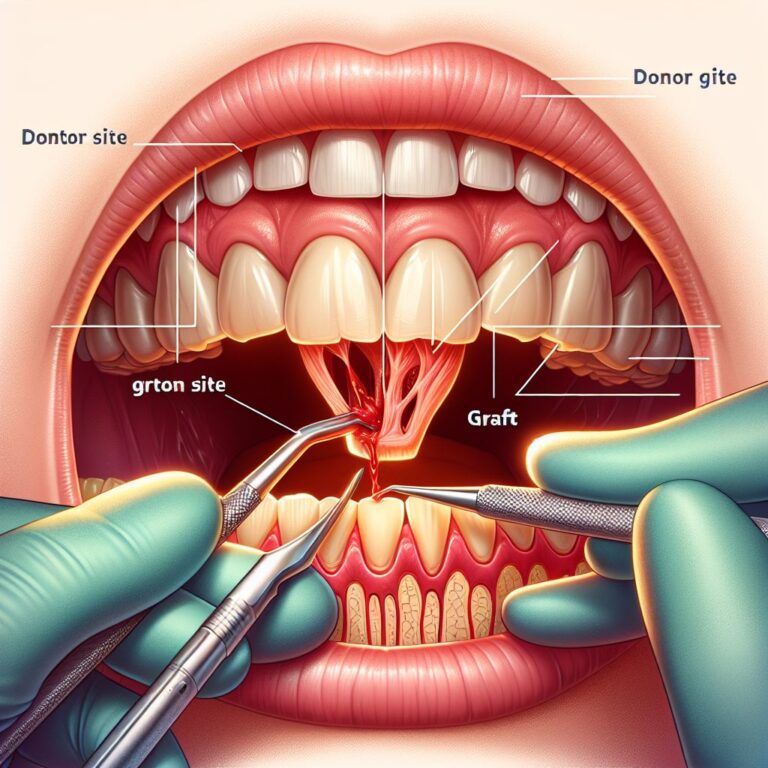
The first 24 hours after your gum graft procedure are the most critical for establishing proper healing. During this time, blood clots will form at both the donor and recipient sites, creating a protective seal that allows healing to begin. Your body immediately starts the repair process, with white blood cells rushing to the area to prevent infection and specialized cells beginning to form new tissue connections.
How Blood Clots Form to Protect Your New Graft
Blood clot formation is the foundation of successful gum graft healing. These clots create a biological bandage that protects the surgical sites and provides a framework for new tissue growth. In the first few hours, you’ll likely notice a jelly-like appearance at the graft site—this is normal and essential. To protect these clots, avoid rinsing vigorously, using straws, or creating any suction in your mouth during the first 24 hours. Gentle pressure with gauze can help control bleeding, but avoid disturbing the surgical sites directly.
Normal Swelling, Pain and Bleeding Patterns
Swelling typically begins within hours of surgery and gradually increases over the first 48-72 hours. Most patients experience mild to moderate discomfort during this period, generally manageable with prescribed pain medication or over-the-counter options recommended by your periodontist. Some bleeding is normal during the first day, appearing as small amounts of blood mixed with saliva. If bleeding seems excessive or doesn’t slow with gentle pressure, contact your provider immediately.
The pain pattern for most patients follows a predictable curve—most intense in the evening of the procedure day, then gradually diminishing over the next 3-5 days. Taking medication as directed rather than waiting for pain to intensify provides the most comfortable recovery experience.
First-Day Diet: What’s Safe to Eat and Drink
Your first-day diet should consist exclusively of cool, soft foods that require minimal chewing. Ideal choices include yogurt, smoothies (without straws), pudding, applesauce, and lukewarm (not hot) soups. Staying hydrated is essential but avoid drinking from straws as the suction can dislodge blood clots. Skip anything spicy, acidic, crunchy, or containing small seeds that could become lodged in the surgical sites.
- Yogurt (plain or vanilla)
- Pudding or custard
- Lukewarm broth or cream soups
- Smoothies consumed with a spoon
- Ice cream or sorbet (avoid nuts or mix-ins)
- Mashed potatoes or avocado
Ice Application Schedule for Maximum Comfort
Proper ice application significantly reduces swelling and discomfort after your gum graft. Apply an ice pack to the outside of your face near the surgical area for 20 minutes, then remove for 20 minutes. Repeat this cycle continuously for the first 8-12 hours while awake. After the first day, transition to moist heat if swelling persists, which helps improve circulation and accelerate healing. Always wrap ice packs in a thin cloth to prevent tissue damage from direct cold contact with your skin.
Days 2-7: Critical First Week Healing Milestones
The first week after your gum graft is when the most dramatic healing changes occur. During this period, your body transitions from initial inflammation to active tissue repair. The graft begins establishing its blood supply connection with the recipient site, a process called revascularization. Following your periodontist’s instructions precisely during this week significantly impacts your long-term outcome.
How Your Graft Changes Color and Texture
Don’t be alarmed by color changes in your graft during the first week—this is completely normal. Initially, the graft tissue may appear white or pale due to limited blood supply. As revascularization progresses, the tissue typically transitions to a reddish color, indicating increased blood flow. By day 5-7, many patients notice the graft beginning to blend with surrounding tissue, though it may still appear slightly swollen or different in texture. These color changes reflect healthy healing progression rather than complications.
When Swelling Peaks and Begins to Subside
Most patients experience peak swelling around 48-72 hours after surgery before gradual improvement begins. This timing may vary slightly depending on the extent of your procedure and individual healing factors. By day 5, noticeable swelling reduction should be evident, though some mild puffiness often persists into the second week. Continuing to sleep with your head elevated and applying moist heat after the first 24 hours helps accelerate this process. If swelling worsens after day 3 or is accompanied by increased pain, contact your periodontist immediately as this could indicate infection.
Safe Foods to Add Back to Your Diet
As discomfort decreases during days 3-7, you can gradually expand your diet while still protecting the surgical sites. Continue avoiding hard, crunchy, or spicy foods that could irritate or damage the healing graft. Soft proteins like scrambled eggs, flaked fish, or tender chicken can be added after day 3. Pasta, soft bread without crusts, and well-cooked vegetables provide more variety while remaining safe choices. Focus on nutrient-rich foods that support tissue healing, particularly those high in vitamin C, zinc, and protein.
Meal temperature also matters during this phase—lukewarm rather than hot foods prevent discomfort and potential tissue damage. Continue eating on the opposite side from your surgical site, and chew carefully to minimize pressure on the healing graft.
Gentle Cleaning Methods That Won’t Damage Your Graft
Maintaining oral hygiene without disturbing the graft is a delicate balance during week one. Your periodontist may prescribe an antimicrobial mouth rinse to use 2-3 times daily, which helps control bacteria without mechanical disruption. For the remainder of your mouth, continue brushing normally while completely avoiding the surgical area. After meals, gently rinse with saltwater solution (1/4 teaspoon salt in 8oz warm water) to help keep the area clean without disturbing the healing tissues. Avoid using water flossers, interdental brushes, or regular floss near the graft site during this initial healing period.
Week 2: Your Graft Starts to Integrate
By the second week, your graft has begun establishing stronger connections with surrounding tissues. The surgical sites are still healing but have generally stabilized enough that the risk of dislodging the graft is significantly reduced. During your follow-up appointment (typically scheduled 7-10 days post-surgery), your periodontist will evaluate healing progress and may remove any remaining sutures if they haven’t dissolved. For more information on gum graft procedures, you can visit Healthline’s detailed guide on gum grafts.
Week 2 Healing Milestones
• Suture removal (if non-dissolving sutures were used)
• Significant reduction in discomfort and swelling
• Initial graft integration with surrounding tissue
• Gradual return to gentle oral hygiene practices
• Expanding diet to include more variety while still avoiding hard foods
When You Can Resume Normal Brushing (And How)
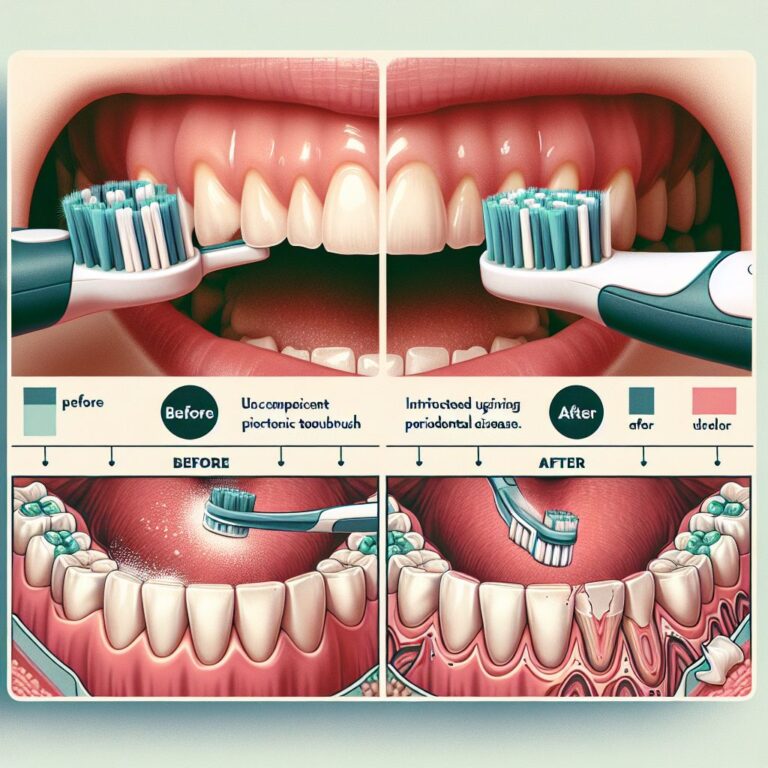
Most patients can begin gentle brushing around the graft site during week two, typically after their follow-up appointment when the periodontist confirms adequate healing. Use an ultra-soft toothbrush and employ a modified technique—hold the brush at a 45-degree angle and use very light pressure with small circular motions. Avoid any back-and-forth scrubbing motions that could disrupt the healing tissues. Some periodontists recommend specific post-surgical brushes with extra-soft bristles designed specifically for this healing phase. Continue to avoid the area directly over the graft for another week, focusing instead on gentle cleaning of adjacent teeth.
Expanding Your Diet as Pain Decreases
As discomfort continues to subside in week two, your diet can expand to include more textured foods while still avoiding anything extremely hard or crunchy. Many patients can tolerate soft sandwiches, pastas, rice dishes, and tender meats by this stage. Continue to chew primarily on the side opposite your graft and be mindful about food temperature—very hot items may still cause discomfort. Foods like nuts, chips, popcorn, and crusty bread should remain off-limits until your periodontist gives specific clearance, usually after the one-month mark.
Nutritional support remains important during this healing phase. Ensuring adequate protein intake (especially from easily consumed sources like protein shakes, yogurt, or soft-cooked meats) provides the building blocks your body needs for tissue repair and regeneration. Vitamin C-rich foods support collagen formation, which is essential for gum tissue strength and integration.
Weeks 3-4: Approaching the Finish Line
Typical 3-4 Week Healing Progress
• Graft site appears pink rather than red
• Minimal to no discomfort during normal activities
• Tissue texture becoming firmer and more stable
• Donor site (palate) nearly completely healed
• Return to normal oral hygiene with continued gentle care at graft site
By weeks three and four, most patients have turned the corner on their recovery. The initial healing phase is complete, and the graft is well on its way to full integration. While the tissue is still maturing, daily discomfort has typically resolved for most patients. During this period, your periodontist may recommend beginning gentle stimulation of the graft site to promote healthy tissue formation and attachment.
The appearance of your graft continues to evolve during this phase. The redness has likely subsided significantly, replaced by a healthier pink color that more closely matches your surrounding gum tissue. The texture also changes from the initial fragile, granulation tissue to a more resilient surface that can better withstand gentle cleaning and normal eating.
If you received a connective tissue graft from your palate, the donor site has typically healed completely by this stage. Any discomfort from the roof of your mouth should be fully resolved, allowing you to eat normally without donor site pain.
During weeks 3-4, most patients can also resume more normal physical activities, including moderate exercise, without concerns about the graft. However, extremely strenuous activities that significantly elevate blood pressure should still be approached cautiously until you receive clearance from your periodontist.
When Graft Failure Might Be Occurring
Graft failure, while uncommon with proper post-operative care, can occur and requires immediate attention. Warning signs include the graft becoming detached or mobile, significant color changes to very dark red or white after the first week, persistent severe pain beyond the first week, or pus discharge from the surgical site. A failed graft may also exhibit excessive swelling that worsens rather than improves after day 3, unusual odor, or persistent bleeding. If you notice any of these symptoms, don’t wait for your next scheduled appointment—contact your periodontist immediately.
Emergency Contact Protocol
When to Contact Your Periodontist Immediately:
• Severe bleeding that doesn’t stop after 20 minutes of gentle pressure
• Acute, throbbing pain not relieved by prescribed medication
• Significant swelling that worsens after 72 hours
• Fever over 101°F (38.3°C)
• Visible pus or discharge from the surgical site
• Partial or complete displacement of the graft
• Unusual taste or odor from the surgical area
Keep your periodontist’s emergency contact information readily accessible throughout your recovery period. Most practices provide after-hours contact options for surgical patients. Before reaching out, try to document your symptoms specifically, including when they started and any changes you’ve noticed. Taking a clear photo of the area (if possible) can help your provider assess the situation more accurately during an emergency call.
Don’t hesitate to use emergency services if you experience severe symptoms like difficulty breathing, uncontrolled bleeding, or signs of severe infection. While these complications are extremely rare with gum grafts, prompt medical attention is crucial in these situations.
Most periodontists would rather you contact them with a concern that turns out to be normal than ignore a potential complication. Early intervention can often save a compromised graft and prevent more serious complications from developing. For more information on gum grafts, you can visit Healthline’s article on gum grafts.
Your Gum Graft Success Plan
The long-term success of your gum graft depends significantly on both your post-operative care and your ongoing oral hygiene practices. A successful graft not only addresses the immediate problem of gum recession but also provides lasting protection for your tooth roots and bone structure. Following a comprehensive care plan dramatically increases your chances of optimal results.
Most patients achieve complete success with their first graft procedure when following proper care instructions. The graft should provide stable coverage of the previously exposed root surface, with tissue that closely matches surrounding gums in both color and texture. Successful grafts also maintain their position over time, with minimal to no recession occurring in the years following surgery.
Your periodontist will likely recommend preventative strategies to address the underlying causes of your initial gum recession. These may include modifications to your brushing technique, addressing teeth grinding or clenching, orthodontic treatment for tooth alignment issues, or specialized hygiene tools for ongoing maintenance.
5 Habits That Speed Up Healing
Optimizing your recovery process can significantly impact both your comfort and the final outcome of your graft. Maintaining excellent nutrition through a healing-focused diet rich in protein, vitamin C, zinc, and antioxidants provides your body with the building blocks needed for tissue repair. Staying consistently hydrated supports blood flow and cellular function throughout the healing process. Prioritizing quality sleep (at least 7-8 hours nightly) enhances your body’s natural healing processes, with elevated head position reducing swelling and discomfort.
Managing stress levels through relaxation techniques can also accelerate healing by reducing cortisol levels that impair immune function. Finally, scrupulous adherence to your periodontist’s medication and oral care instructions—including taking prescribed antibiotics for the full course even if symptoms improve—creates the optimal environment for graft success. Patients who implement these five habits typically experience faster recovery with fewer complications.
3 Common Mistakes That Damage Grafts
Even well-intentioned patients can inadvertently compromise their healing graft through common mistakes. The most damaging error is premature brushing or aggressive cleaning of the surgical site, which can physically disrupt the delicate healing tissue before it’s adequately established. Equally harmful is failing to adjust eating habits—attempting to consume crunchy, hard, or sticky foods too soon can dislodge or damage the graft during its vulnerable early healing phase.
Perhaps the most significant risk factor for graft failure is tobacco use in any form. Smoking or using smokeless tobacco dramatically reduces blood flow to oral tissues, severely impairing the healing process and significantly increasing failure rates. Even e-cigarettes and nicotine replacement products can negatively impact healing through nicotine’s vasoconstrictive effects. For optimal results, all tobacco and nicotine products should be completely avoided for at least two weeks before and after your procedure—with permanent cessation offering the best long-term outcome.
Follow-up Appointment Schedule
A typical follow-up schedule after gum graft surgery includes an initial post-operative visit around 7-10 days after your procedure. During this appointment, your periodontist will assess initial healing, remove any non-dissolving sutures, and address any concerns. A second follow-up at the one-month mark evaluates continued healing and integration of the graft with surrounding tissues.
Most patients will have a final post-surgical evaluation at three months, when the graft has largely matured and stabilized. After this point, your periodontist will likely recommend returning to your regular dental check-up schedule, typically with examinations every six months to monitor the continued health of your graft and overall gum condition. Adhering to this follow-up schedule allows for early identification and correction of any issues that might affect your long-term outcome.
Frequently Asked Questions
Patients undergoing gum graft procedures often have similar questions about their recovery process. While your periodontist should be your primary source of information for your specific situation, these general answers address the most common concerns about the gum graft healing timeline and process.
When Can I Resume Smoking After a Gum Graft?
Ideally, you should permanently quit smoking before undergoing a gum graft procedure. Smoking significantly impairs healing and is a leading cause of graft failure. If permanent cessation isn’t possible, most periodontists recommend abstaining completely for at least two weeks before surgery and a minimum of two weeks after—though longer periods (4-8 weeks) of abstinence significantly improve outcomes. Nicotine in any form, including patches, gum, and e-cigarettes, constricts blood vessels and reduces the blood flow necessary for proper healing, so all nicotine products should be avoided during the critical healing period.
How Soon Can I Return to Exercise and Physical Activity?
Light activities like walking can typically be resumed 24-48 hours after your procedure, provided they don’t cause discomfort or increased bleeding. Moderate exercise should be postponed for at least 3-5 days, while strenuous activities, heavy lifting, or high-intensity workouts should be avoided for 7-14 days following surgery. These restrictions help prevent increased blood pressure and heart rate that could lead to bleeding, swelling, or disruption of the healing graft.
When returning to exercise, start gradually and monitor how your body responds. If you experience increased pain, swelling, or bleeding during or after activity, reduce your intensity or take additional rest days. Always follow your periodontist’s specific recommendations, as they may vary based on your procedure’s extent and individual healing factors.
Will My Gum Graft Change Color as It Heals?
Yes, color changes are a normal part of the gum graft healing process. Initially, the graft may appear white or pale due to limited blood supply. As healing progresses, the tissue typically transitions to red or dark pink (days 3-10) before gradually blending with surrounding tissue over several weeks. By 4-6 weeks, most grafts have achieved their final color, though subtle changes may continue for up to six months as the tissue fully matures and integrates.
Can I Use a Straw During Recovery?
Straws should be completely avoided for at least 7-10 days after your gum graft procedure. The suction created when using a straw can dislodge blood clots, disrupt the positioning of the graft, and potentially lead to bleeding or healing complications. This same restriction applies to other actions that create negative pressure in your mouth, such as spitting forcefully or smoking.
When your periodontist confirms adequate healing at your follow-up appointment (typically 7-10 days post-surgery), they may clear you to resume using straws. However, even after initial clearance, it’s advisable to avoid placing straws near the surgical site for at least 3-4 weeks to prevent any mechanical disruption of the healing tissues.
For the first week, drink directly from cups or use spoons for thicker liquids like smoothies or shakes. This minor inconvenience significantly reduces your risk of complications and helps ensure optimal healing of your graft.
How Do I Know If My Gum Graft Has Failed?
Gum graft failure, while uncommon, presents with several distinctive signs. The most obvious indication is significant graft shrinkage or displacement, where the tissue no longer covers the intended area. Persistent or worsening pain beyond the first week, rather than gradual improvement, often signals complications. Unusual tissue appearance, such as the graft remaining white or becoming very dark after the first week, may indicate compromised blood supply or infection.
Excessive bleeding that continues or restarts days after surgery suggests healing problems that require professional evaluation. Pus discharge, foul odor, or persistent bad taste from the surgical site are clear indicators of infection that could compromise the graft. Fever, facial swelling that worsens after 72 hours, or visible separation of the graft from surrounding tissue are serious warning signs requiring immediate attention.
During your healing period, it’s normal to have concerns about whether your graft is progressing typically. The best approach is to attend all scheduled follow-up appointments and contact your periodontist promptly with any worrying symptoms rather than waiting to see if they resolve on their own.
Your periodontist can differentiate between normal healing variations and true complications, often saving a graft that might otherwise fail if problems are addressed early. With proper care and monitoring, the vast majority of gum grafts heal successfully and provide lasting results.